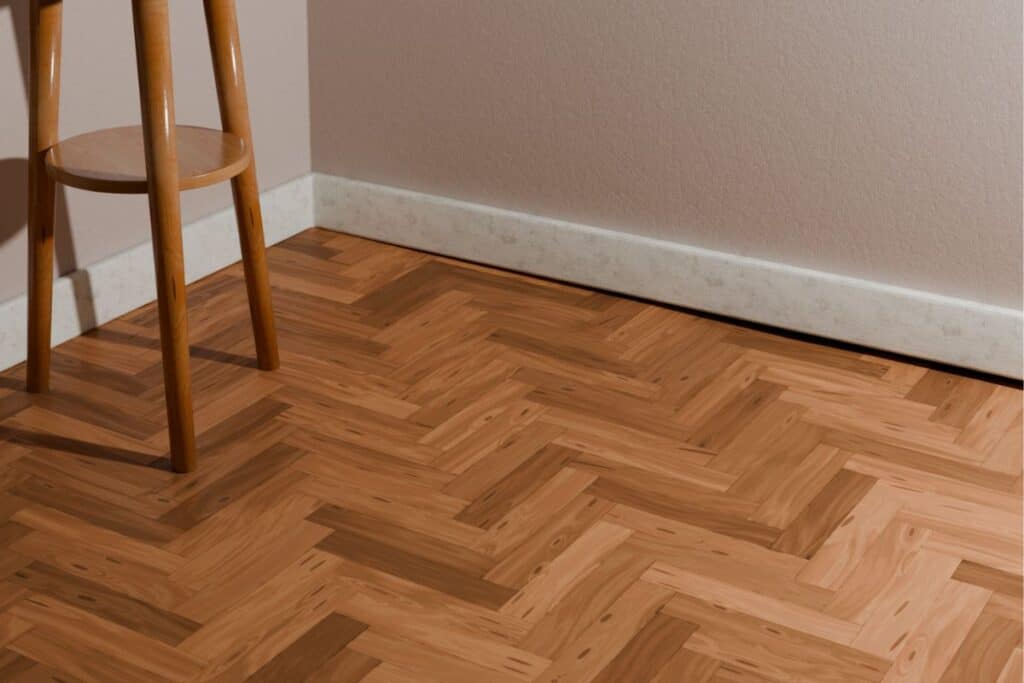
You walk into what looks like your dream home, with a charming layout, perfect location, but something feels off. The floors slope. Perhaps it’s subtle, or maybe you feel like you’re walking uphill to reach the kitchen. It’s a red flag most buyers notice, but few understand.
So, should you buy a house with sagging floors? The short answer: maybe, but not without a structural inspection first. Let’s explore what sagging or uneven floors mean and how they could impact your purchase, safety, and repair budget.
What Causes Floors to Sag in a Home?
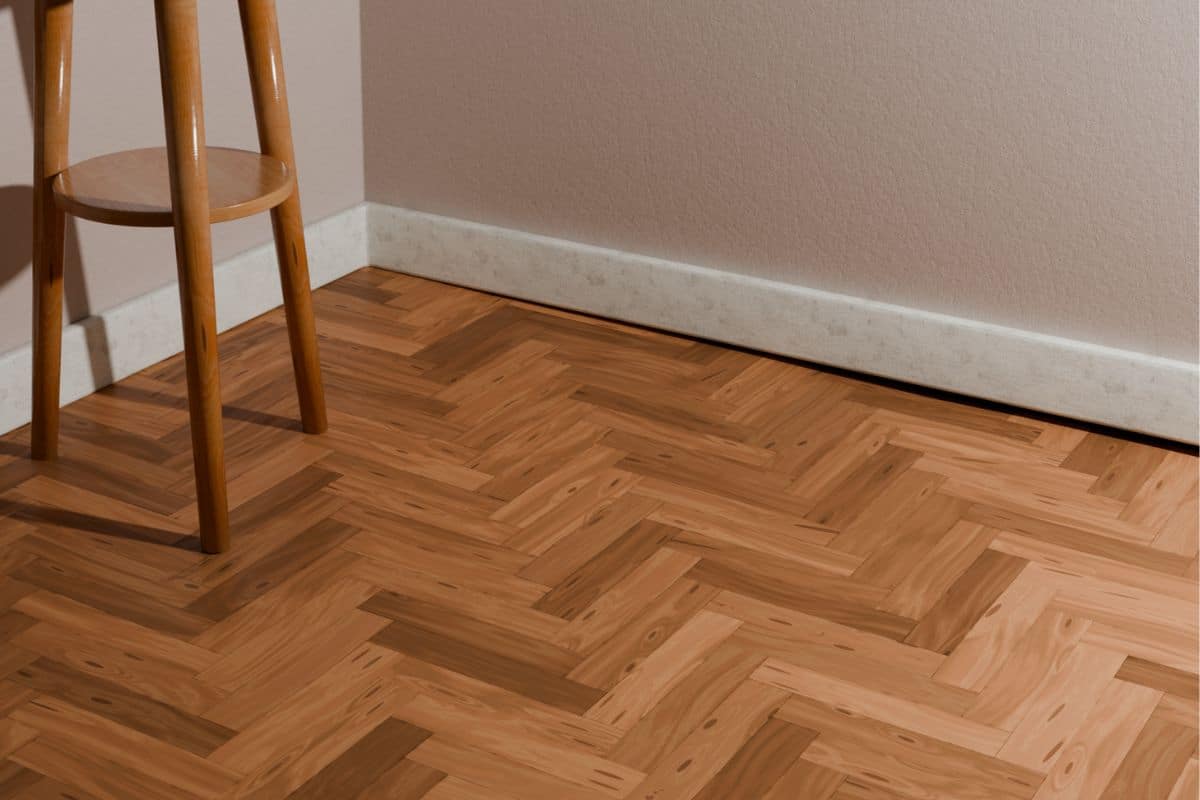 If your floors feel bouncy, sloped, or uneven underfoot, it’s more than just an old-house quirk, it’s a warning sign. Sagging floors can appear to be a cosmetic problem, but they often indicate something much more serious is happening beneath the surface.
Let’s break down the most common causes:
- Floor Joist Issues
In many older homes, especially those built with pier-and-beam foundations, the floors are supported by wooden joists. Over time, those joists can weaken due to age, shifting soil, or, worse yet, termite damage. Moisture in the crawl space can accelerate wood rot, making your floors feel soft, wavy, or unstable. Think of joists like bones: if they’re compromised, everything above them suffers.
- Crawl Space Sagging
A sagging floor often starts in the crawl space. When water collects or humidity builds up under your home, it creates ideal conditions for mold, rot, and weakened house supports. The ground can soften, the wood can decay, and your floors above will start to dip or buckle. Left unchecked, crawl space sagging can impact the entire structure of your house.
- Foundation Problems
Sometimes the issue isn’t just the floor, it’s the foundation. If your home’s base begins to settle unevenly (a problem known as differential settlement), it can pull everything out of alignment. This is especially common in areas with expansive clay soil, such as Texas, where foundations shift due to seasonal moisture changes. Floors become uneven as the home adjusts to that movement.
- Water Damage or Poor Drainage
Water is one of a home’s biggest enemies. If rainwater or plumbing leaks aren’t properly drained away from your home, it can seep under the structure. Over time, this erodes the soil or damages the support beams, causing your floors to sag. Poor drainage not only harms the foundation but also invites pests and mold into your crawl space.
Sagging floors aren’t just a nuisance; they’re a sign that your home may need urgent attention. Whether it’s floor joist issues, crawl space sagging, or a more serious foundation problem, early detection is crucial.
Is It Safe to Buy a Home With Uneven or Sloping Floors?
 Walking into a home and feeling the floor dip beneath your feet can be unsettling, but it doesn’t always mean you should walk away. The key is understanding why the floors are sloping and what that means for your safety, your wallet, and your long-term peace of mind.
Cosmetic or Structural? Know the Difference
Not all uneven floors are created equal. In some older homes, a slight slope may be harmless, simply the result of natural settling over the decades. These homes may have minor shifts that don’t affect structural stability.
But then there are red flags:
- Sudden dips in the flooring
- Soft or spongy spots when you walk
- Bouncy or unstable areas near walls or doorways
These are signs the problem may be deeper than surface-level. Floor joist issues, crawl space sagging, or foundation problems could be causing the instability, and they shouldn’t be ignored. A professional foundation inspection is the only way to know for sure.
How Much Will It Cost to Fix?
Repair costs can vary, but here’s the reality: in Texas, sagging floor repairs can range from just a few thousand dollars for minor joist fixes to tens of thousands of dollars for major structural repairs, especially if your pier and beam foundation or slab has shifted. The cost depends on the foundation type, extent of damage, and whether you’ll need leveling, new piers, or support beam replacement.
The good news? At Quality Foundation Repair, we offer transparent estimates and repair solutions tailored to your home’s unique needs, with no surprises.
Think About Resale—And Risk.
Even if you’re okay living with uneven floors for now, future buyers might not be so forgiving. Homes with unresolved foundation or crawl space sagging issues can be harder to sell, appraise at a lower value, or deter potential buyers. Today’s homebuyers want assurance that the property is solid, and so do lenders and inspectors.
If you’re thinking long-term, it’s usually better to address the problem head-on. Fixing it now means fewer headaches down the road.
Let’s Answer the Million-Dollar Question: Should I Buy A House With Sagging Floors?
In some homes, a slight dip might be harmless and easy to fix. In others, it could be a sign of serious structural trouble. Here are some home buying tips on how to tell when sagging floors are manageable and when they should make you think twice before signing on the dotted line.
When It’s Okay to Buy a House with Sagging Floors
✅ Minor or Isolated Sagging: If the sagging is limited to a small area, it might be due to aging materials or minor issues that are relatively easy to fix. For instance, a single room with a slight dip could result from natural settling over time.
✅ Clear and Fixable Cause: When the underlying issue is identified and has a straightforward solution. like a weakened floor joist or minor moisture problem, repairs can be manageable. Addressing these promptly can prevent further complications.
✅ Professional Inspection Confirms Repairability: A thorough assessment by a structural engineer or foundation expert can determine the severity of the issue. If they confirm that the problem is not extensive and can be remedied without major structural work, proceeding with the purchase could be reasonable.
✅ Negotiable Purchase Terms: If the seller is willing to negotiate the price or cover the repair costs, and the overall investment aligns with your budget and renovation plans, buying the property might be advantageous.
When It’s Not Okay to Buy a House with Sagging Floors
❌Extensive Foundation Damage: Sagging floors affecting multiple areas of the home may indicate significant foundation issues. Such problems can be costly and complex to repair, potentially exceeding $20,000 to $30,000, depending on the extent of the damage.
❌Persistent Moisture and Mold Issues: Long-standing water problems in crawl spaces or basement areas can lead to structural weakening and hazardous mold growth. These conditions not only compromise the integrity of the home but also pose health risks.
❌High Repair Costs Beyond Budget: If the estimated repair expenses surpass your financial capacity or the projected value of the home post-repair, it may not be a sound investment.
❌Seller Unwilling to Negotiate: A seller’s refusal to adjust the price or address the necessary repairs places the financial burden entirely on the buyer. Without concessions, the risks may outweigh the benefits.
What Should You Do Before Making an Offer?
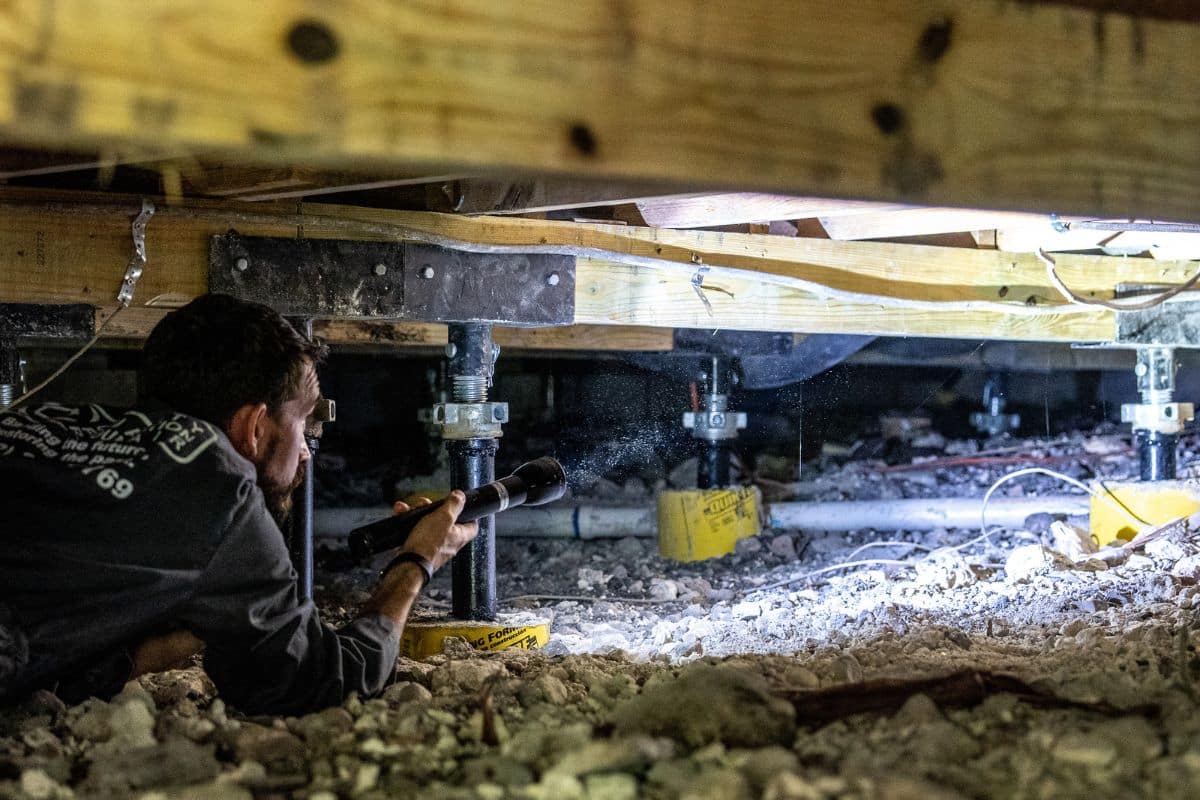 Spotting uneven floors doesn’t mean you should back away from a potential dream home, but it does mean it’s time to do your homework. Before making an offer, take these essential steps to protect your property and ensure you know exactly what you’re getting into.
- Schedule a Structural Inspection—Not Just a Regular One
A standard home inspection can identify obvious red flags, but it often overlooks what’s happening beneath the surface. Sagging or sloping floors could be caused by crawl space sagging, floor joist issues, or even more serious foundation problems. That’s why you need a foundation expert, not just a generalist.
- Get a Detailed Repair Estimate—Not a Guess
Avoid relying on vague numbers or rough estimates. You deserve to know the real cost of a sagging fix. That’s why we provide clear and honest estimates based on a thorough assessment of the home.
- Ask About the Crawl Space or Foundation
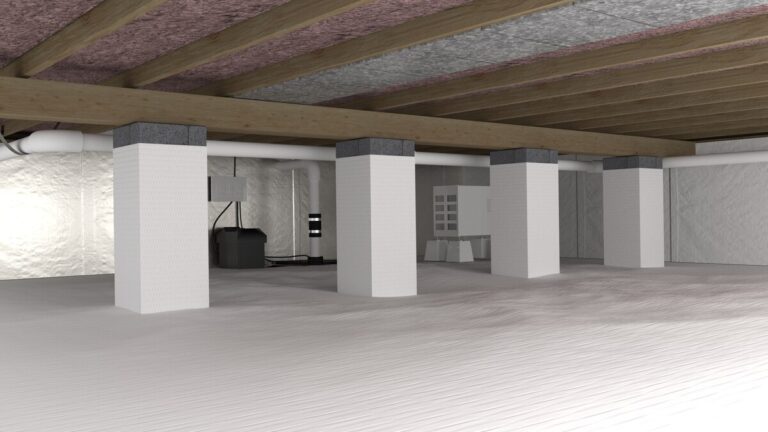
If the home has a pier and beam foundation, ensure easy access to the crawl space and inspect it for foundation warning signs of trouble, such as standing water, rotted wood, musty odors, or broken supports. These are all signs that the floors above might not be secure.
Pro Tip: Don’t be afraid to bring in a trusted contractor, like Quality Foundation Repair, before you submit an offer. Knowing what you’re dealing with gives you negotiating power and peace of mind.
Can Sagging Floors Be Fixed?
Absolutely. Sagging floors aren’t just fixable; they’re one of the most common foundation issues we repair. In fact, for many homebuyers, spotting uneven floors can be a strategic advantage. It’s often an opportunity to negotiate a better price, then partner with a trusted expert to resolve the issue properly, from the ground up.
Here’s how we bring your floors back to level and your peace of mind back to 100%:
Adjust-A-Piers and Steel T-Brackets
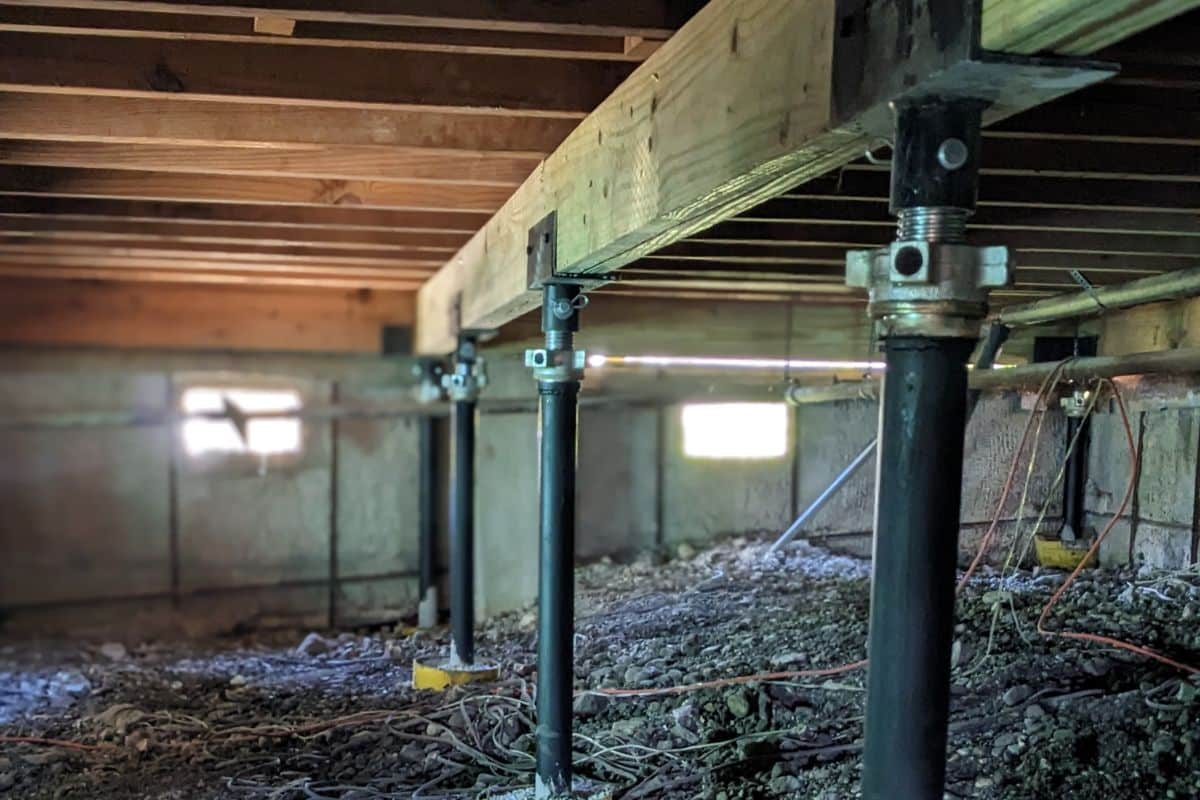
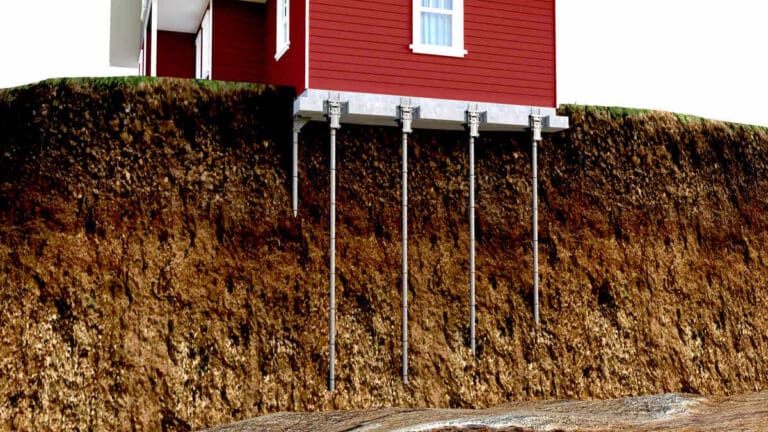
For homes with crawl spaces or pier and beam foundations, we use our trusted Adjust-A-Piers and steel T-brackets to lift and stabilize sagging areas. These solutions are designed to adapt over time. That means if your foundation shifts again in the future (which is common in Texas due to the presence of clay soil), we can fine-tune the support without having to start over. It’s long-term protection built right into the design.
Beam and Joist Replacement
If the wooden beams or joists beneath your home have rotted, bowed, or broken due to moisture, termites, or age, we can replace or reinforce them to ensure the structural integrity of your home. This strengthens the support structure and restores the floor’s shape and stability. Our team carefully evaluates which components need upgrading, ensuring your home gets the attention it truly needs.
Foundation Leveling
 For homes with slab foundations, uneven floors often stem from differential settlement. Our crew utilizes proven leveling techniques to raise the affected areas and restore your foundation to its maximum practical level, safely and effectively. Every leveling project is tailored to your specific home, with careful measurement and precision at every step.
No matter how uneven your floors are today, they can be fixed, and Quality Foundation Repair is here to guide you every step of the way.
Final Thoughts: Should You Still Buy That Home?
Sagging floors aren’t always a deal-breaker, but they are a sign to dig deeper. With the right inspection, what looks like a big problem might turn out to be an easy fix.
At Quality Foundation Repair, we uncover the truth behind uneven floors and give you honest answers. Whether it’s a quick repair or a more serious issue, we’ll walk you through it step by step.
Love the house but not the floors?
Let’s take a closer look. Schedule your expert inspection with QFR today.