What’s Hiding Under Your House Might Be Bleeding Your Wallet Dry
Out of sight, out of mind, that’s how most people treat their crawl space. Until the floors get cold, the A/C won’t quit running, or the house starts smelling like a damp basement. Then it’s a different story.
But here’s the real eye-opener: that forgotten space under your home might be doing more damage to your energy bill than your outdated HVAC or leaky windows ever could. If your crawl space is vented, unsealed, or simply damp, it’s not just inviting mold and critters; it’s wasting energy every single day. And you’re paying for it.
Want to know if crawl space encapsulation is worth it? Let’s get into the dirt and find out.
How Energy Slips Through the Cracks (Literally)
Most people don’t realize it, but the crawl space under their home has a greater impact on comfort and energy bills than almost any other part of the house.
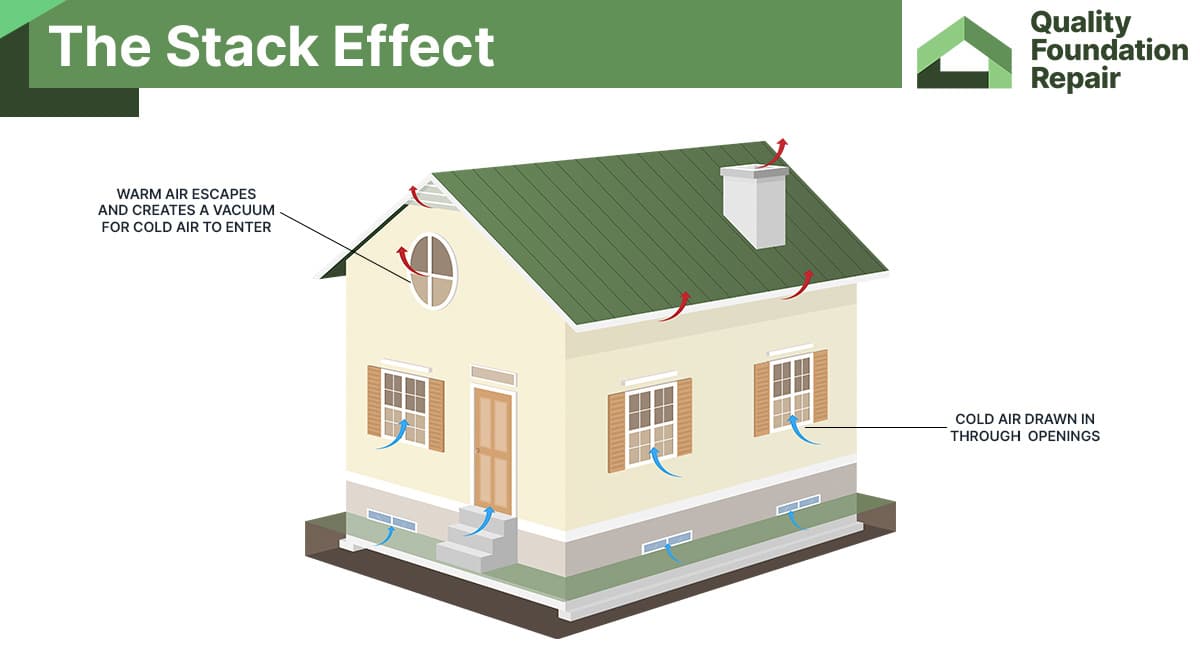
If it’s vented, unsealed, or just plain damp, it acts like a sponge for outside air. In the summer, it pulls in hot, sticky air. In the winter, cold drafts settle in. And all that unfiltered air doesn’t stay put; it gets sucked straight up into your home.
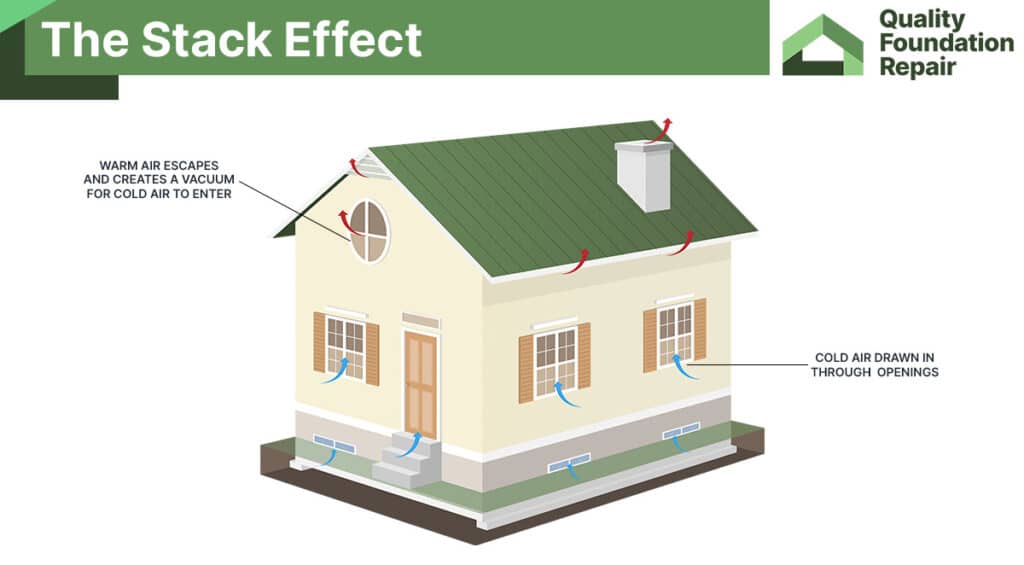
It’s called the stack effect, the natural airflow that pulls air from the low (crawl space) upwards to the high (inside your house). As warm air rises and escapes through the attic, it draws in cooler air from below. And if your crawl space is unsealed? That air is coming from down there, full of humidity, allergens, and temperature swings.
In fact, testing shows that up to 40% of the air inside your home can come from your crawl space. Let that sink in: nearly half of what you’re breathing may have passed through a damp, dirty, vented crawl space first.
Here’s what that really means:
- Colder floors in winter
- A/C running nonstop in summer
- Soaring humidity levels year-round
- Insulation that’s wet, sagging, and useless.
- Rising energy bills, and lower comfort
When the air under your house is working against you, your HVAC system doesn’t stand a chance. It’s constantly battling outside conditions you didn’t even know were creeping in.
Crawl Space Encapsulation: The Fix That Pays for Itself

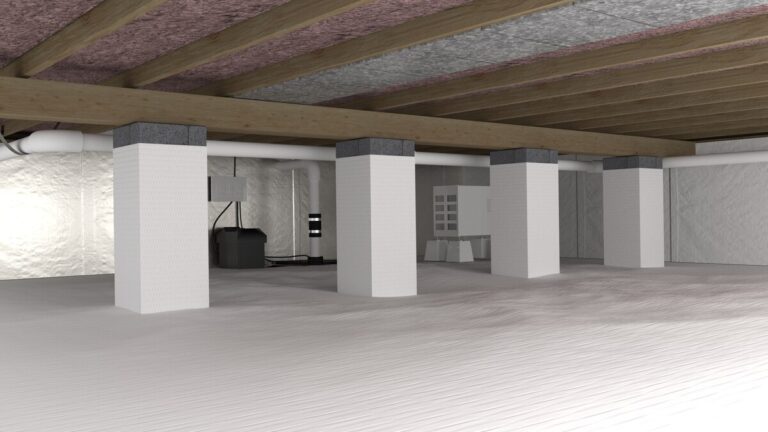
Encapsulation addresses the problem at its source. It seals the crawl space from outside air, moisture, and temperature swings, transforming an inefficient area into a dry, effective buffer. It’s like putting a thermal lid on your home’s underside, sealing leaks permanently.
Here’s how it works, and why it’s one of the smartest energy-saving upgrades a homeowner can make:
- Crawl Space Cleaning: It starts with a clean slate. Old insulation, debris, moldy wood, and rodent nests are all cleared out. Because you can’t seal and protect what’s already soaked and sagging. Crawl space cleaning sets the stage for everything that follows.
- Moisture Barrier: Next comes the heavy-duty vapor barrier, a thick plastic liner laid across the soil and up the walls. It stops water vapor from rising through the ground and keeps the entire space dry. Dry insulation = actual insulation.
- Sealed Vents and Gaps: Every vent, crack, and opening gets sealed tight. This blocks humid outdoor air from slipping in and forces your HVAC system to stop fighting the weather every single day.
- Crawl Space Insulation: Insulation in the crawl space does exactly what you’d expect: it keeps the good air in and the bad air out. By insulating both the floor above and the crawl space walls, you create a barrier that helps your home stay warmer in winter, cooler in summer, and more energy-efficient year-round. It’s simple, it works, and it saves money.
- Dehumidifier: In high-humidity areas like Central Texas, a crawl space dehumidifier helps maintain dry, stable conditions. It keeps mold, mildew, and moisture-loving pests from making themselves at home.
The Energy-Saving Benefits of Crawl Space Encapsulation
When done correctly, crawl space encapsulation does more than just protect your home; it saves you money every month.
- Lower Heating and Cooling Costs: With less outside air and minimized temperature fluctuations, your HVAC system runs more efficiently. That means smaller energy bills.
- Improved Comfort: Say goodbye to freezing floors and muggy indoor air.
- Better HVAC Performance: Your system lasts longer when it’s not working overtime.
- Dry Insulation = Real Insulation: Encapsulation protects your insulation from moisture, allowing it to perform its intended function.
- Less Humidity = More Efficiency: High humidity makes your home feel warmer in summer and colder in winter. Encapsulation evens things out.
So… Does Crawl Space Encapsulation Save Energy?
Yes. Absolutely. No doubt about it.
When your crawl space is sealed and insulated, your home retains heated and cooled air more efficiently. That means less work for your HVAC system, fewer drafts, and floors that don’t feel like ice in the winter.
According to Energy Star, air that leaks through a home’s outer envelope, walls, windows, doors, and crawl spaces wastes a significant amount of energy and increases utility costs. The EPA estimates that homeowners can save an average of 15% on heating and cooling costs, or approximately 11% on total energy costs, by sealing air leaks and adding insulation in key areas, such as attics, walls, doors, windows, floors over crawl spaces, and basements.
Encapsulation helps tackle that exact problem. It seals off a major source of air loss, locks out moisture, and adds insulation where it matters most. Will your bills drop overnight? Maybe, maybe not. But you’ll feel the difference: steadier temps, better air quality, and an energy-efficient home that finally works with you, not against you.
Common Signs Your Crawl Space Is Costing You
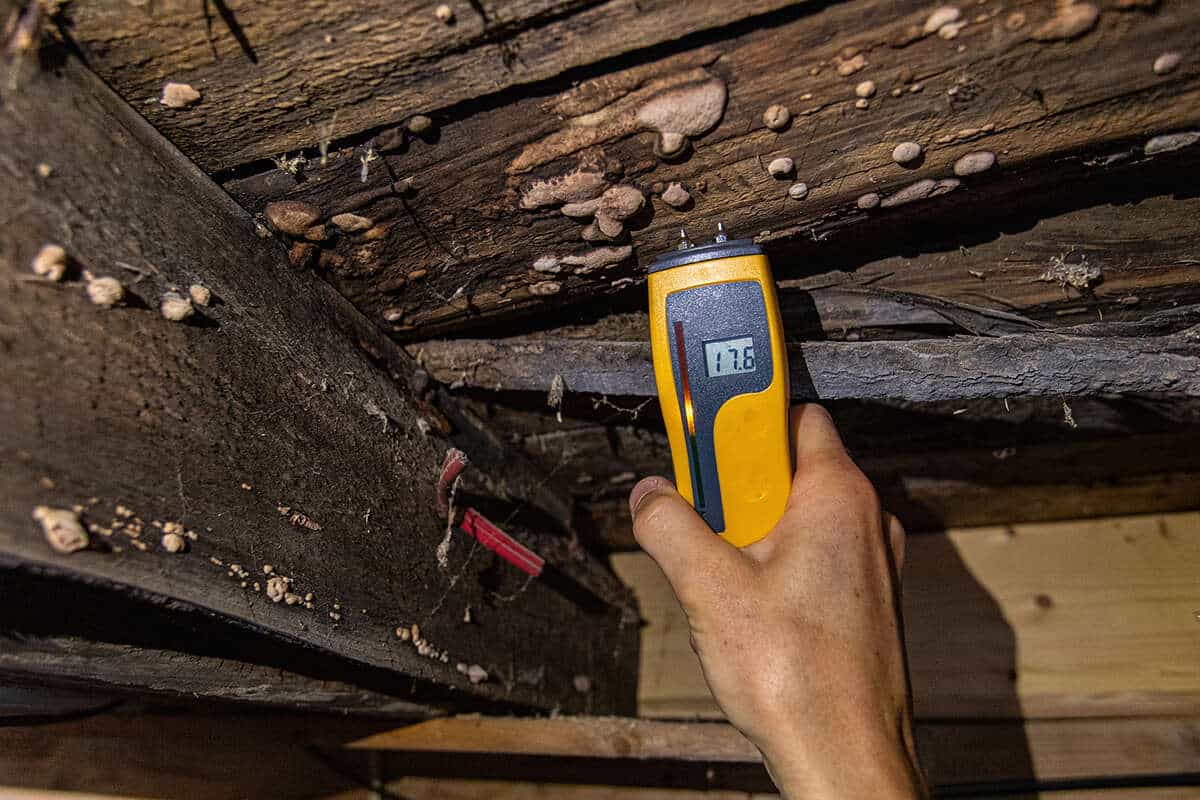 Wondering if your crawl space is part of the problem? Here are the red flags:
- Cold or uneven floors
- High humidity indoors
- Rising energy bills
- Mold growth and wood rot
- Musty odors
- Wet or sagging insulation
- Frequent HVAC repairs
If this sounds familiar, you’re not imagining things, your crawl space is working against you.
FAQs: Crawl Space Encapsulation and Energy Savings
Does Encapsulation Work Without Wall Insulation?
It can, but it works well with it. Sealing is the first step, but insulating the crawl space walls and conditioning the air are what make it energy-efficient.
Can I Do Part Of The Work And Finish Later?
Not recommended. A partially encapsulated crawl space still allows air and moisture to escape. The full system works together for real results.
Will My HVAC Run Less?
Yes. A sealed, conditioned crawl space may reduce strain on your system and extend its lifespan.
Is It Worth It In A Warm Climate Like Texas?
Absolutely. High humidity and temperature swings make encapsulation especially valuable in Central Texas.
Final Word: You Can Keep Ignoring the Crawl Space, or Seal It and Save
You wouldn’t leave your windows open year-round and expect a low power bill, right?
So why let your crawl space stay exposed?
Crawl space encapsulation is a one-time fix that helps seal your home’s envelope, cutting energy bills and making every room above it more comfortable. By trapping conditioned air and blocking outside elements, it keeps your home efficient and your HVAC from running a marathon every season. And it can protect the structural members down there too, helping you avoid major foundation repairs.
If you’re tired of high bills, muggy air, and freezing floors, it’s time to take a look below. Ready for heating and cooling efficiency? Get your free crawl space estimate today.