
Let’s talk about that crawl space you never think about…
Now, I’m not one to scare folks, but if you have a crawl space under your home, chances are it’s seen better days. Damp, dark, and ignored, it’s the kind of place mold throws parties and termites write home about.
However, here’s the good news: crawl space encapsulation can make all that change.
And no, it’s not fancy talk. It’s a real solution that keeps mold, moisture, and unpleasant odors from creeping into your home and into your lungs.
Let me explain.
What Is Crawl Space Encapsulation?

Crawl space encapsulation is a fancy way of saying “seal it up tight and keep the nasty stuff out.” Think of it like putting the underside of a home in a dry, clean ziplock bag, locking out moisture, mold, and pests before they cause damage.
Here’s how this crawl space mold prevention method works:
- Crawl Space Cleaning: The process begins by removing old insulation, debris, moldy wood, and any other unwanted materials. A clean crawl space is essential before sealing begins.
- Moisture Barrier Installation: A thick, reinforced plastic liner is installed across the ground and extended up the walls to provide a moisture barrier. This barrier blocks moisture from rising through the soil and collecting in the crawl space.
- Sealing Vents and Gaps: Any open vents, cracks, or gaps are sealed off to keep outside air and humidity from entering.
- Humidity Control: A dedicated crawl space dehumidifier maintains dry air conditions, preventing the growth of mold, mildew, and rot.
- Waterproofing (If Needed): If groundwater is present, drainage systems such as French drains or sump pumps are added to direct water out before it becomes a problem.
According to Energy Star, a properly encapsulated crawl space should have uninsulated floors, a sealed ground vapor barrier, insulated and air-sealed walls, and be conditioned with indoor air. In other words, your crawl space should be part of your home’s environment, not the wild outdoors.
The result? A clean, dry, protected space beneath the home that helps prevent damage, improves energy efficiency, and contributes to a healthier living environment.
Why Moisture in the Crawl Space Is a Big Problem
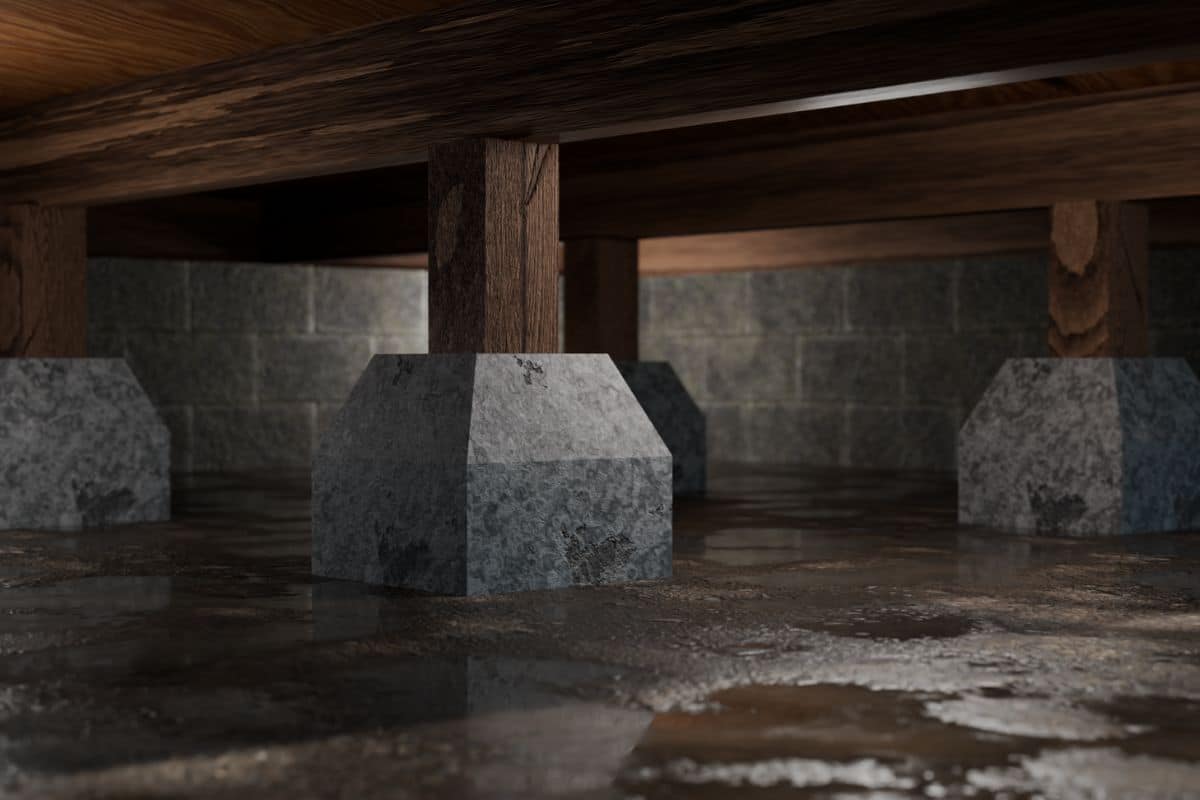 Here’s where things get real.
Leaving a crawl space open to moisture is like letting a leaky pipe drip for years. You may not see the damage right away, but it’s still happening. And once it starts, it slowly spreads.
- Moisture invites mold: Mold spores are everywhere, just waiting for the right conditions to grow. Add water and darkness, and a crawl space becomes mold’s favorite hangout. It grows on wood, insulation, and any other material it can feed on, releasing musty odors and allergens that can make their way into your home.
- Wood rot sets in fast: Crawl space beams and floor joists are often untreated wood. When they absorb moisture, rot begins, weakening the very structure that supports your floors. Sagging floors, soft spots, or even buckling are signs that the wood underneath is giving out.
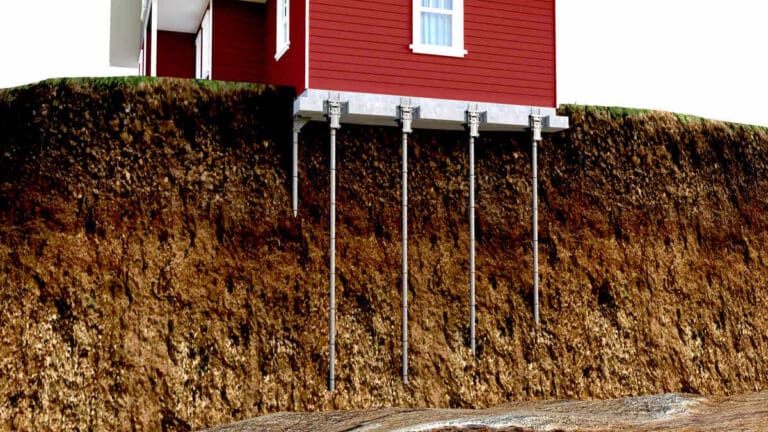
- Structural damage follows: Over time, too much moisture can compromise the integrity of your entire foundation. Support piers may shift, framing can crack, and floor systems can begin to separate requiring crawl space repairs. This leads to uneven floors, sticking doors and windows, and long-term instability.
- Bad air moves up: Here’s the kicker: up to 40% of the air inside homes comes from vented crawl spaces. If the air down there is full of mold spores, dust, and moisture, that’s what you’re breathing upstairs, every day.
Let that sink in: what’s growing under your feet doesn’t stay there. It rises up into your lungs, your HVAC system, and your home’s structure.
How Crawl Space Encapsulation Prevents Mold and Moisture Damage
Crawl space encapsulation does more than just clean things up; it solves real problems that affect the safety, comfort, and health of the home. Moisture, mold, poor air quality, and rising energy bills often trace back to what’s happening under your floors.
Here’s how encapsulation stops those issues at the source:
- Moisture Control: A thick, reinforced vapor barrier prevents moisture in the soil from rising into the crawl space and eliminates condensation, the primary source of fuel for mold and rot.
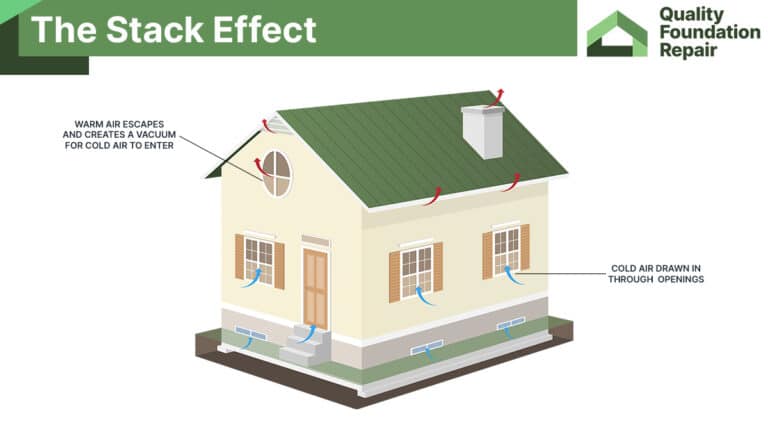
- Sealing Out Humid Air: Vents and gaps are tightly sealed which means no more warm, sticky air getting trapped in a cool crawl space and turning into dampness on wood or insulation.
- Humidity Regulation: Mold needs moisture to grow; remove that using a high-performance dehumidifier, and the problem disappears.
- Waterproofing: If water is already entering from rain, slope, or high groundwater, additional crawl space waterproofing measures, such as French drains, drain tile, or a sump pump, help redirect it out quickly and efficiently.
The Big Benefits of Crawl Space Encapsulation:
- Reduces Humidity: Lower moisture levels mean mold can’t thrive, and wood stays solid.
- Protects the Structure: Dry joists and beams last longer, preventing sagging floors and structural damage.
- Improves Air Quality: Cleaner air under your home means cleaner air inside it, eliminating musty smells and allergy triggers.
- Regulates Temperature: A sealed crawl space keeps floors warmer in winter and cooler in summer, reducing the workload of HVAC systems.
- Boosts Energy Efficiency: With improved insulation and air control, heating and cooling costs decrease.
In short, encapsulation doesn’t just make a crawl space look better; it makes the whole home healthier, stronger, and more efficient from the ground up.
Common Signs You Might Need Crawl Space Encapsulation
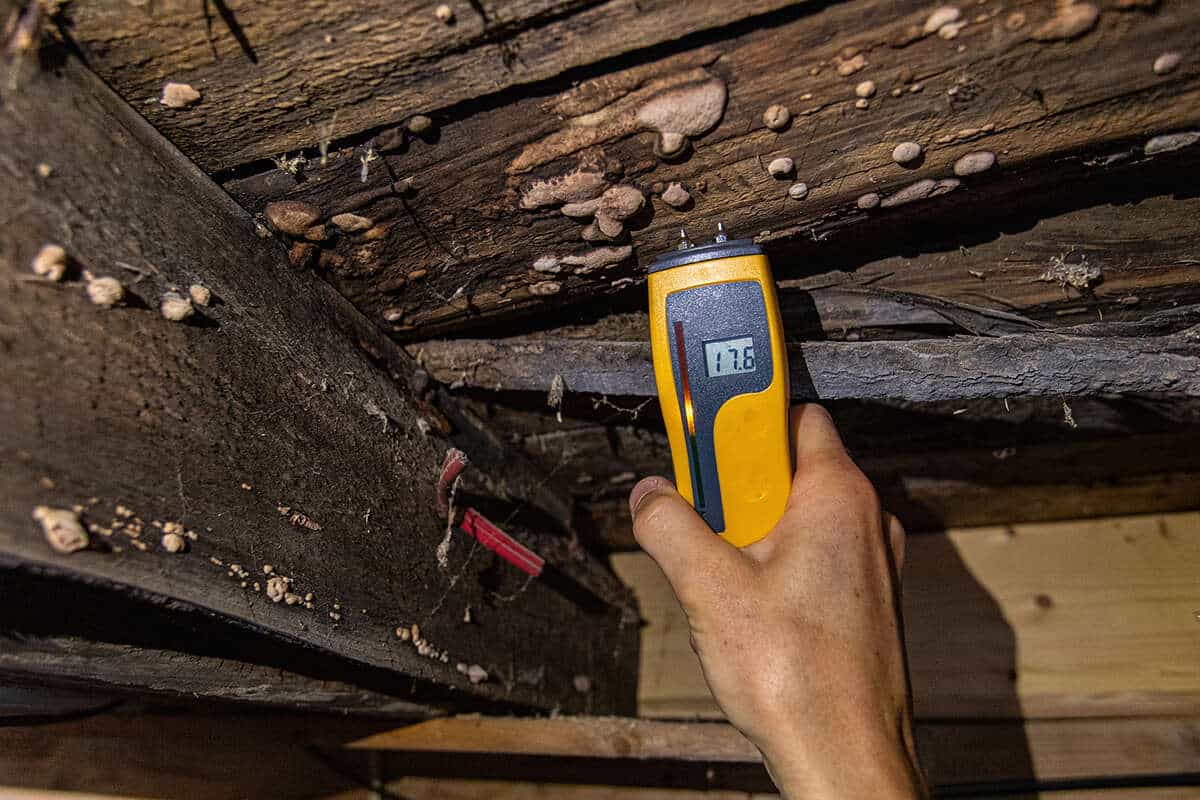
If your crawl space could talk, it’d probably be yelling. But since it can’t, it sends signals, some subtle, some not-so-subtle. Here are the red flags that say, “Hey, something’s not right down here.”
- Musty smells drifting through the house: Like wet socks or an old gym bag. Not normal.
- Floors that sag, bounce, or creak like crazy: Could be moisture-softened wood under your feet.
- Mold growing on structural members or insulation: If you can see it, you’ve already got a problem.
- High indoor humidity: Sticky air, foggy windows, or constant running A/C are all signs.
- Insects or rodents hanging out: They love dark, damp spaces, and your crawl space is prime real estate.
- Water stains or standing water: Obvious yet often overlooked. If there’s water, there’s risk.
If any of this sounds familiar, don’t wait for things to get worse. Patching over symptoms won’t cut it. It’s time to deal with the root of the problem, starting under your house.
FAQs: Crawl Space Encapsulation
Is Crawl Space Encapsulation Really Worth It In Central Texas?
Absolutely. Between the humidity, unpredictable rain, and soil that shifts like it’s got a mind of its own, Central Texas crawl spaces are basically mold magnets. Encapsulation keeps moisture out, improves air quality, and prevents structural problems from developing. It’s not a luxury, it’s a smart move.
Will This Stop Pests, Too?
Yes. Bugs and critters love dark, damp places. Sealing entry points and keeping things dry takes away their hideout, no more ant trails, droppings, or mystery scratching.
Can I Use My Encapsulated Crawl Space For Storage?
You can, but only after it has been properly sealed and dried. Once encapsulated, the space becomes clean, dry, and protected, making it an ideal place to store seasonal items, tools, or anything else you don’t want to sit in moisture.
What Happens If I Skip Encapsulation?
Moisture builds up. Mold grows. Wood rots. The air gets musty. Floors start to sag. Energy bills climb. Eventually, a minor problem can escalate into a very expensive repair. Encapsulation stops that snowball before it starts rolling downhill.
The Final Nail: Don’t Wait for Mold to Move In
Ignoring your crawl space is like ignoring a leaky roof. It doesn’t fix itself. It just gets worse and more expensive.
Crawl space encapsulation keeps moisture out, mold away, and your home standing strong. It protects the structure, the air you breathe, and everything sitting on top of it.
If you want it done right, bring in the folks who do this kind of work every day, and do it well.
Ready to get started? Call now to get your free crawl space estimate. No pressure. No sales games. Just honest answers and the right fix.