
Because Your House Shouldn’t Move More Than You Do
Let’s get one thing straight: your house isn’t floating on a magic carpet. It’s sitting on soil. And if that soil gets soft, soggy, or shifts around like it’s got better places to be, guess what? Your floors sag, your walls crack, and your doors start acting like they’ve forgotten how to open.
That’s not just annoying. That’s a problem that might require major foundation repairs. And it started with the soil beneath your home.
But don’t worry. We’ve got answers. And not the duct-tape kind. We’re talking real-deal, boots-in-the-mud soil stabilization, the stuff that turns lousy ground into solid support.
Let’s walk through the top 5 soil stabilization methods pros use to fix weak soil and keep homes like yours standing tall.
1. Mechanical Soil Stabilization Method
For when your soil needs a backbone.
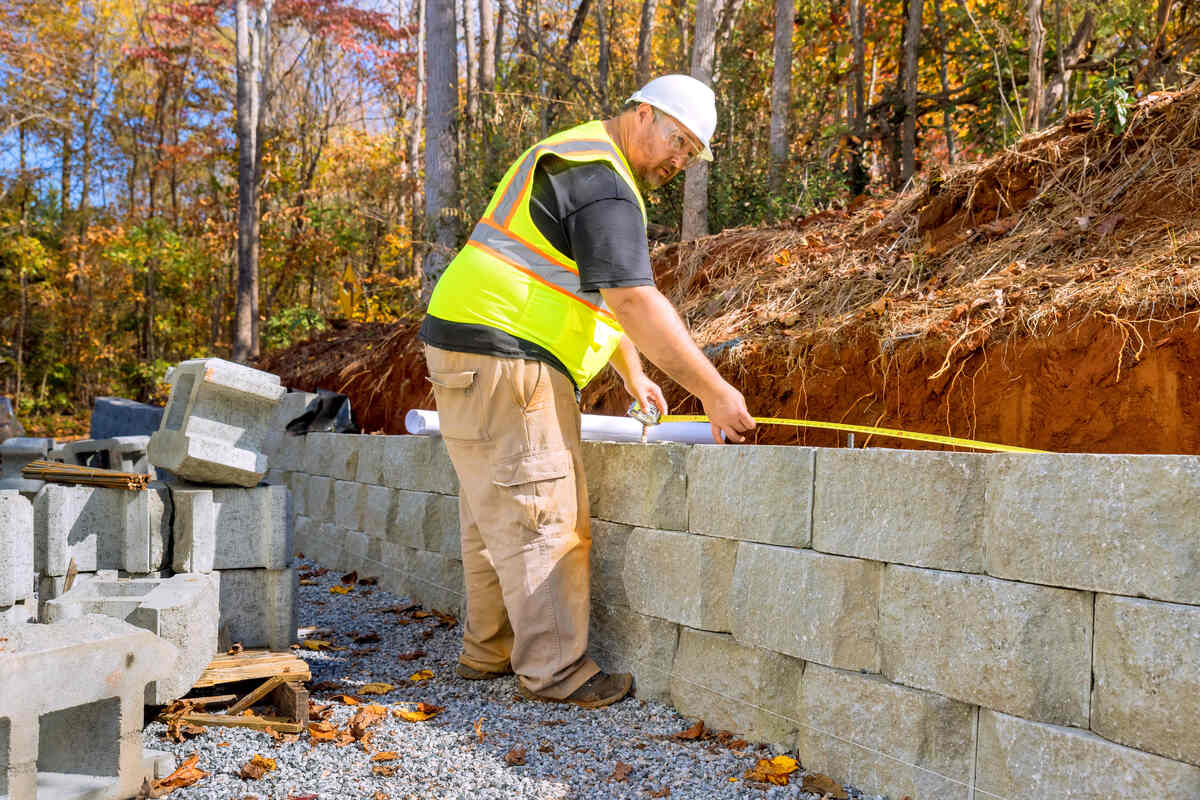 Sometimes the soil under your house just doesn’t have the guts to hold anything up. Maybe it’s loose fill dumped in during construction. Maybe it’s been washed out by years of heavy rain. Either way, the ground shifts, and your foundation pays the price.
That’s where mechanical soil stabilization comes in. These soil strengthening methods reinforce the soil using physical materials or pressure-based techniques. It’s not about changing the soil, but by giving it some much-needed structure.
Common methods include:
- Geogrids & Geotextiles: Grid systems or high-strength fabrics are laid under the soil to lock it in place, like seat belts for the ground.
- Aggregate Fill: Gravel or crushed stone is added to bulk up weak soil and improve drainage.
- Retaining Structures: Walls or barriers help keep soil from sliding down slopes or eroding over time.
Where it’s used:
- Slopes and hillsides: When gravity wants to pull your backyard down the hill, mechanical stabilization says, “Not today.”
- Fill dirt gone wrong: Many builders backfill with loose soil that was never compacted. That stuff settles and shifts over time, unless you reinforce it.
- Flood-prone or erosion-prone areas: If heavy rain has your soil heading for the storm drain, it’s time to lock it down.
Why it works:
It gives unstable soil something to lean on, like placing a shaky ladder on a brick wall. The result? Ground that holds its shape, supports your home, and stops acting like it’s trying to slide out from under you.
2. Soil Compaction
For when your ground’s just too fluffy.
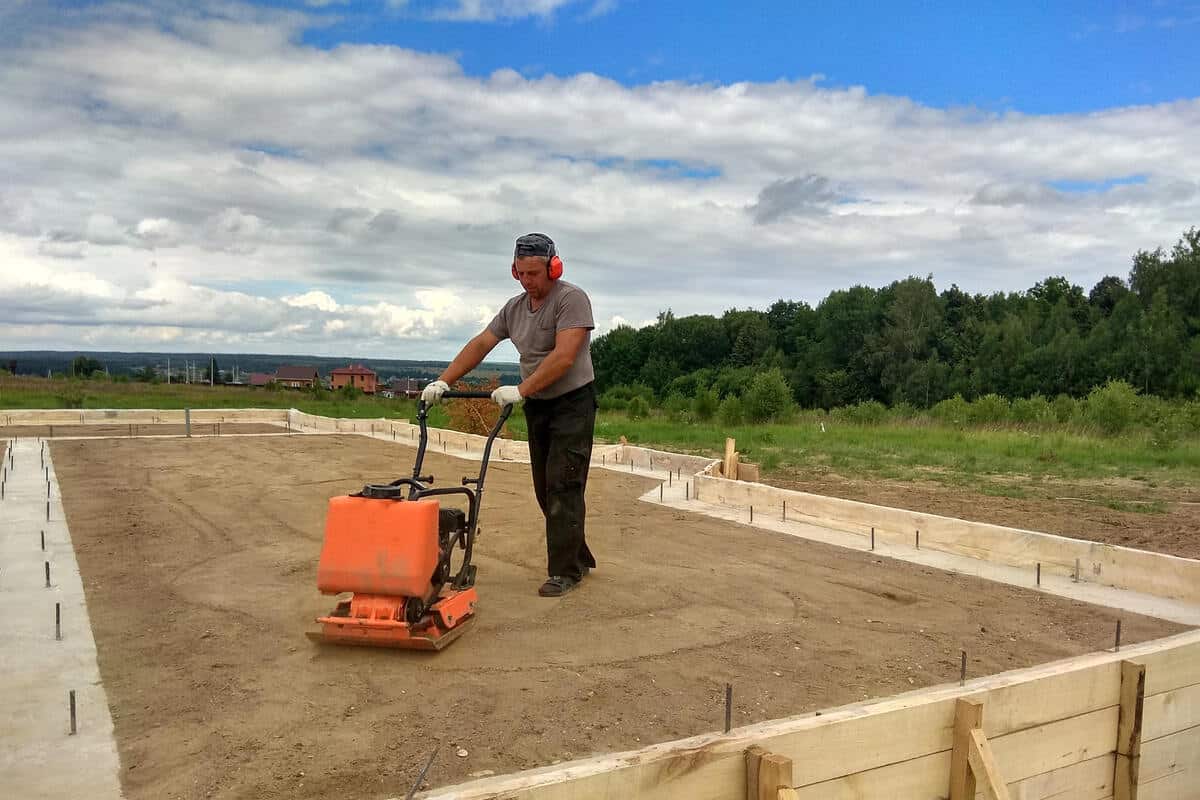
Sometimes the problem isn’t complicated; the soil just wasn’t packed down like it should’ve been. Maybe it was fill dirt dumped during construction. Maybe it got disturbed during a repair. Either way, if it’s loose, it’s going to settle and take your foundation with it.
Soil compaction squeezes out air pockets and presses the ground into a dense, stable layer. Simple, effective, and essential.
Best for:
- New construction sites
- Refilled areas after plumbing or pier work
- Sinking slabs or patios
Why it works:
Because you can’t build anything solid on fluffy soil. Compacted soil gives your foundation the firm base it needs to stay level and strong.
3. Chemical Soil Stabilization Method
For when your soil acts more like a sponge.
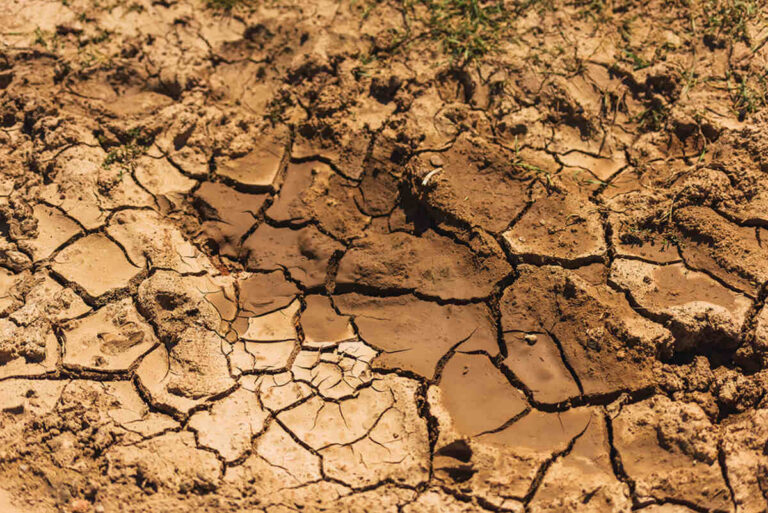
Some soil just doesn’t know how to behave. It soaks up water like a sponge, swells when it rains, and shrinks when it dries out. If that sounds familiar, you’re probably dealing with expansive clay, and chemical soil stabilization is one way pros keep it in check.
Chemical methods don’t reinforce the soil, they change it. By mixing in additives like lime, cement, or polymers, the soil becomes less absorbent, more stable, and a lot more willing to hold your foundation without shifting around like a waterbed.
Common materials include:
- Lime Stabilization: A chemical grouting method that dries out wet clay and reduces how much it swells or shrinks
- Cement Stabilization: Binds loose particles together, turning soft soil into a firm base
- Polyurethane Injection: Expanding foam is pumped into the soil to fill gaps and lift settled slabs. It hardens into a strong base beneath foundations and concrete.
Where it’s used:
- Clay-rich areas (like most of Texas)
- Waterlogged soils that stay mushy long after the rain stops
- Places where swelling and shrinking have already caused cracks or movement
Why it works:
It doesn’t just support the soil, it reprograms it. Think of it like sending your soil to boot camp: less drama, more discipline, and finally strong enough to do its job.
4. Drainage Improvements
For when water’s the real villain.
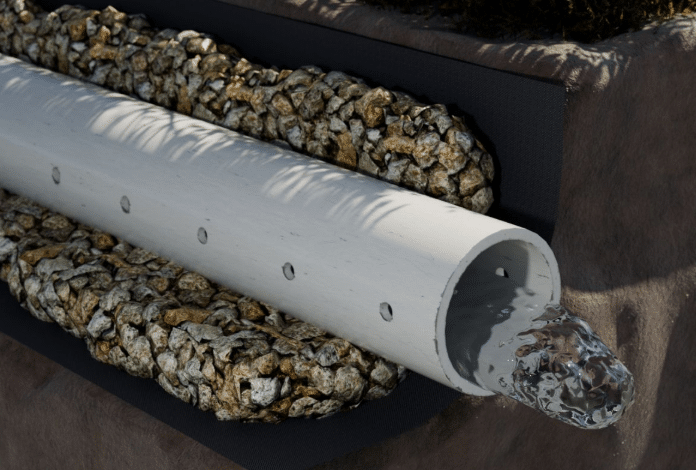 Water might not seem like a big deal until it starts shifting the ground under your home. It makes clay swell, washes out support, and invites erosion like it’s throwing a backyard party. That’s why one of the best ways to stabilize soil is to keep the water moving, away from your foundation.
This includes:
- French drains: A gravel-filled trench with a perforated pipe that redirects groundwater away from your home. Buried and discreet, but it works hard behind the scenes to stop water from pooling under your slab or crawl space.
- Gutter extensions: Those little downspouts might not seem like much, but if they dump water right next to your foundation, you’re asking for trouble. Extensions carry water several feet away, where it can’t do any harm.
- Regrading: If your yard slopes toward the house, water will follow. Regrading reshapes the landscape so rain naturally flows away, exactly where you want it.
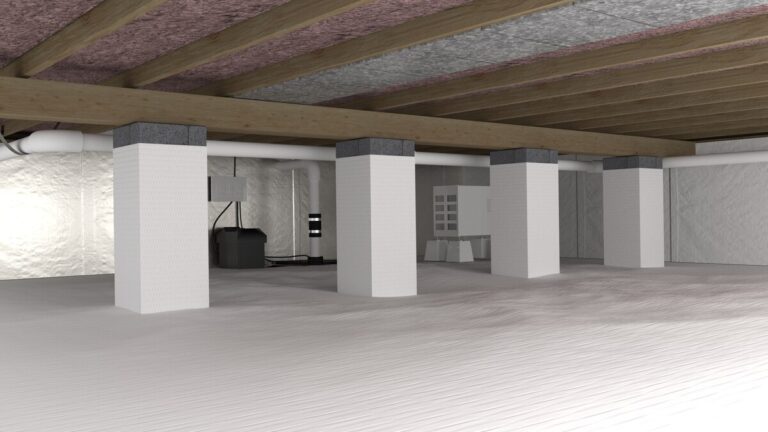
- Crawl space drainage & sump pumps: For homes with crawl spaces, standing water is a slow disaster. Drainage systems and sump pumps remove water before it has a chance to settle in and start rotting wood or shifting soil.
Why it works:
Because water and foundation are a bad combination. Control the water, and you control the damage. Skip it, and you’re just setting your foundation up for a slow, soggy failure.
5. Biological Methods
For when microbes do the dirty work.
Biological stabilization is a newer approach that uses microbes to improve soil structure. Certain bacteria help bind soil particles together, creating a naturally stronger base over time. These tiny organisms help the soil hold itself together, no heavy equipment needed.
⚠️ Vegetation can help with erosion in open areas, but roots near your foundation? Not a good idea.
Soil Stabilization: 5 Factors To Consider
Because not all soil, or fixes are created equal.
 Soil stabilization isn’t a one-size-fits-all solution. What works like a charm in one yard might fail miserably in the next. If the job isn’t matched to the conditions, the soil will keep moving, and so will your foundation.
Here are five key factors that can make or break a soil stabilization project:
- Soil Type: Clay? Sand? Silt? They all behave differently. Clay swells and shrinks. Sand washes out. If you don’t understand what you’re working with, the fix won’t hold.
- Moisture Content: Too much water and the soil turns to soup. Too little, and it crumbles like dry cake. The right moisture level determines whether stabilization materials actually do their job, or just sit there.
- Load Requirements: A backyard shed isn’t the same as a two-story house. Stabilization must be tailored to how much weight the soil needs to hold, and for how long.
- Depth of the Problem: If the instability runs deep, surface-level fixes won’t cut it. The method has to match the depth of the weak soil, or you’re just treating the symptoms.
- Drainage Conditions: Even the best stabilization fails if water keeps pouring in. Proper drainage isn’t optional, it’s the backup plan that keeps everything else working.
Bottom line: Soil stabilization is only as good as the planning behind it. Know the ground. Know the problem. Choose the right fix, or risk doing it all over again.
When Soil Fails, These Foundation Fixes Step In
When the soil stabilization isn’t enough, you back up the house.
 Soil stabilization is a solid start, but when your foundation needs more support, you bring in the big guns. Foundation stabilization methods are designed to stop further movement, lift what’s settled, and keep everything level long term.
Here are some of the most common ways professionals stabilize foundations:
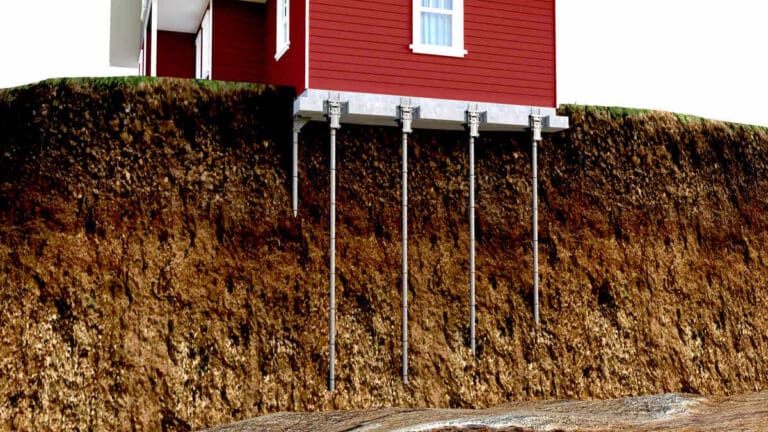
- Steel Push Piers: Driven deep until you find solid ground, these steel piers transfer the weight of your home off the weak soil and onto something that won’t budge. Permanent, reliable, and built for serious support.
- Helical Piers: Think giant screws for your foundation. Twisted into the ground until they lock in, these are ideal for lighter structures or shifty soils. Quick to install, tough to beat.
- Adjustable Piers (Pier & Beam Homes): Used under pier and beam homes to lift sagging floors. The best part? They’re adjustable, so if the soil shifts again, you don’t have to start from scratch.
- Slab Piers: Installed beneath concrete slab foundations to lift and level sunken floors without ripping everything up. Quiet, clean, and gets the job done from underneath.
The goal of any foundation stabilization method? Stop the movement, support the structure, and give your home a fighting chance, no matter what the soil decides to do.
Final Word: Soil Matters
Soil and foundation holds your whole house up. If the soil under your foundation is weak, no band-aid fix will hold up for long. That’s why soil stabilization isn’t “extra”, it’s essential.
Think your foundation’s in trouble?
Let us take a look. We offer foundation inspections, honest advice, and real solutions. No scare tactics. No sales pressure. Just hard work and smarter soil.