Have you ever wondered what’s holding up your floors? If your home has a crawl space, the answer lies beneath your feet, where crawl space support posts quietly do the heavy lifting. These hidden supports play a critical role in keeping your floors level, your structure sound, and your home safe. But when they weaken, shift, or fail altogether, you’ll start to notice signs like sagging floors, sticking doors, or even cracks in your walls.
In this blog, we’re exploring crawl space supports, what they are, why they matter, and when it’s time for repair. If your floors aren’t as solid as they used to be, this is the place to start.
What Are Crawl Space Support Posts?
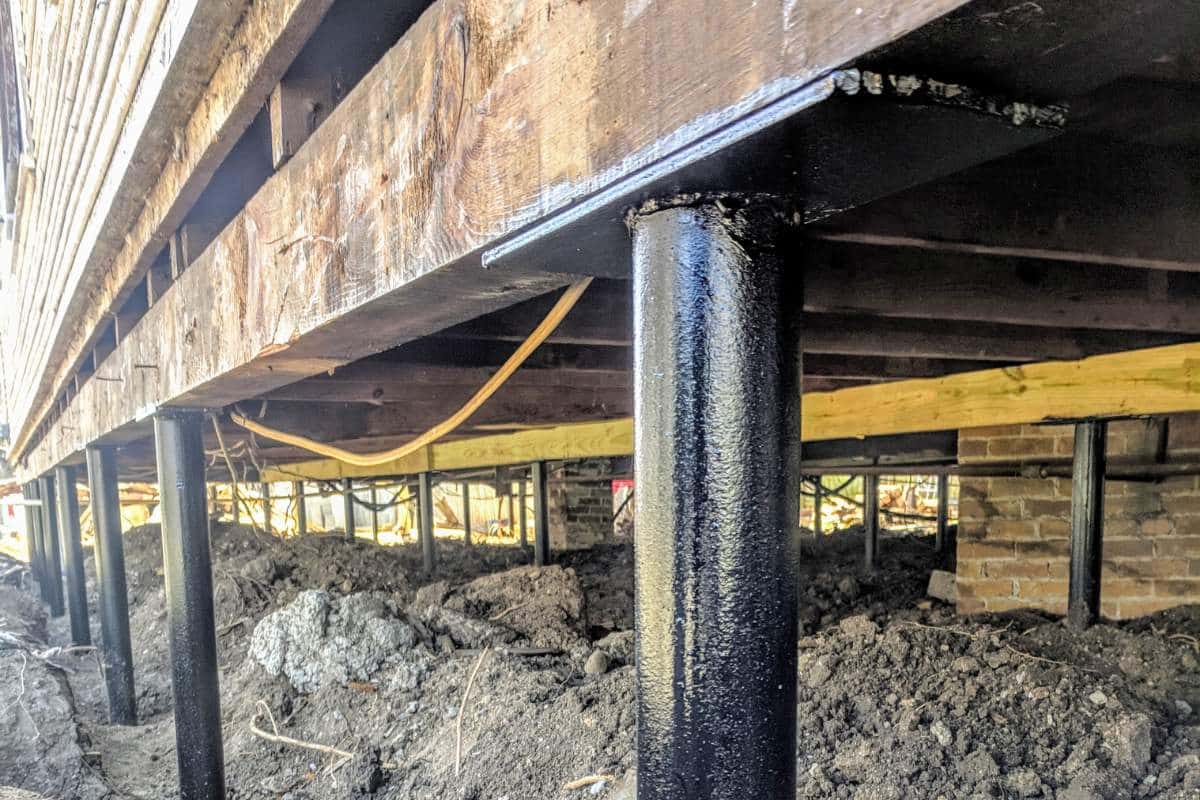
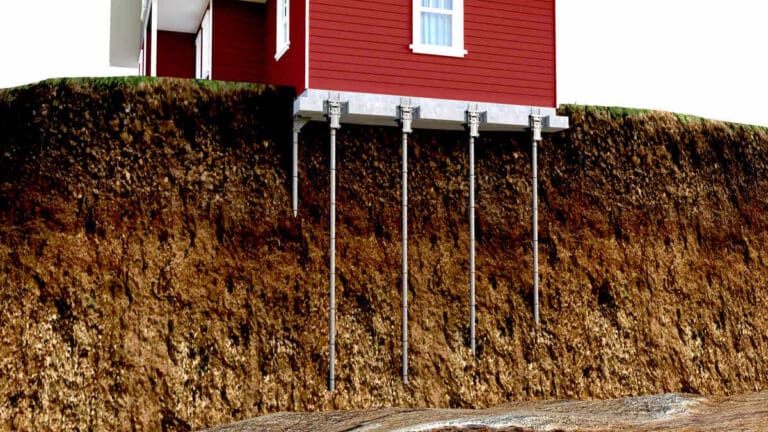
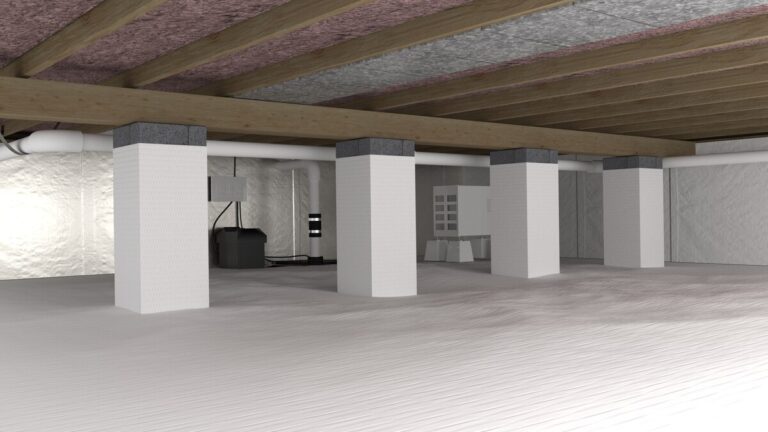
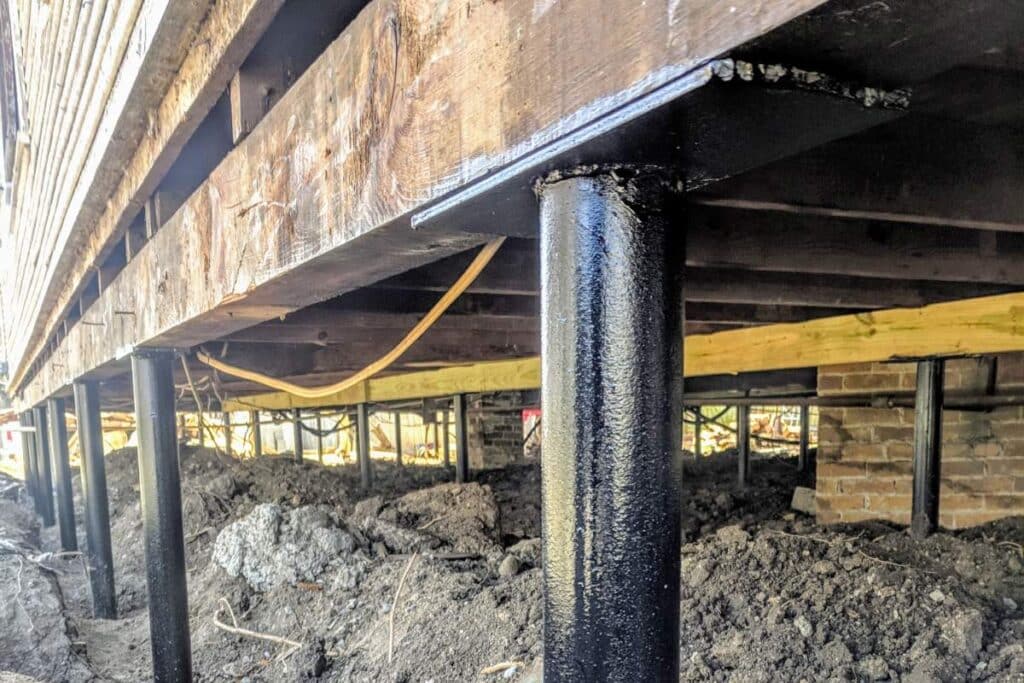
Crawl space support posts are vertical supports installed beneath your home to strengthen and stabilize the floor structure. They’re commonly used in pier and beam foundations, especially when the original wood posts or beams have weakened from moisture, shifting soil, or long-term wear. These posts help carry the weight of your home.
In many homes, especially those in flood-prone areas, crawl space foundations are designed to elevate living spaces above potential water levels. According to the Federal Emergency Management Agency (FEMA), it’s common for crawl spaces in these areas to be built slightly below grade to meet flood safety standards. While this design protects against water intrusion, it can also increase the risk of structural movement over time.
That’s where crawl space support posts come in. They offer a long-term fix for sagging or uneven floors, restoring your home’s stability from the ground up.
Types of Crawl Space Support Posts
There are several types of crawl space support posts, each with different strengths, materials, and use cases. The right choice depends on your home’s structure, soil conditions, and the severity of the damage.

- Timber Posts: Wooden posts were commonly used in older pier and beam homes. While they provide decent initial support, timber is vulnerable to rot, moisture, and termites, especially in humid crawl spaces. Over time, wooden posts can warp, shift, or even break down, leading to sagging or uneven floors.
- Steel Posts: Steel support posts are a strong, durable choice for crawl space repairs. They’re resistant to moisture and pests and can handle heavy loads without bending or shifting. Steel posts are often used in professional crawl space structural repairs because they provide reliable, long-term support for your home’s floor system.
- Concrete Posts: Poured concrete posts are solid and stable, making them a great option for permanent support. They’re often installed during new construction or major repairs. Because they’re unaffected by moisture or pests, concrete support posts offer long-lasting strength beneath your home.
- Concrete Masonry Units (CMUs): These are stacked concrete blocks, sometimes used as a low-cost way to support crawl space beams. However, they can shift or crack over time, especially if not reinforced or installed correctly. CMUs may work temporarily, but they usually don’t offer the same level of support as solid concrete or steel.
- Adjustable Jacks: Adjustable jacks allow for fine-tuned leveling of sagging floors. They’re helpful during foundation repair work. In some cases, they’re paired with other support systems to provide extra stability and help raise floors back to their proper position.
Why Do Floors Sag in the First Place?
If your floors feel uneven, soft, or bouncy, it’s typically a sign of a more significant issue with your crawl space foundation. Sagging floors don’t happen overnight; they develop slowly as the structure beneath your home weakens.
In Central Texas, sagging floors are often caused by:
- Wood rot from high humidity or poor airflow in the crawl space
- Termite or pest damage that eats away at vital floor joists
- Shifting soil, especially our region’s expansive clay, which swells and shrinks with changing moisture levels
- Poor original construction with undersized or widely spaced support posts
- Pier failure or movement in old concrete blocks that no longer sit level
- Plumbing leaks that soak the soil and weaken supports beneath the house
As the support system gives way, the problem spreads. Floors begin to slope. Doors stick. Cracks form in walls. And without proper crawl space repairs, the damage worsens.
Signs Your Home Might Need Crawl Space Support Posts
Is your crawl space causing problems? The warning signs often show up inside your home before you ever look under it. If your pier and beam foundation is struggling, you’ll likely notice changes in how your floors and doors behave.
Here are common signs that your home may need new crawl space support posts:
- Floors that slope, sag, or feel uneven
- Bouncy or spongy floors that shift under your feet
- Cracks in drywall, especially near windows, doors, or ceiling corners
- Gaps between the flooring and baseboards that weren’t there before
- Doors or windows that stick, drag, or don’t latch properly
- Musty smells or visible moisture in the crawl space
If you’re seeing any of these symptoms, don’t wait. Scheduling a crawl space inspection early can prevent more serious structural issues, and it’s often less costly to fix when caught in time.
Common Crawl Space Repair Solutions
Crawl space problems don’t always require a full rebuild. In many cases, targeted repairs to the crawl space structure can restore stability and prevent long-term damage.
- Crawl Space Support Post Installation: Installing support posts or crawl space jacks under weak joists and beams to provide sagging floor support and lift uneven areas. This process is often part of a larger floor-lift system used to stabilize interior flooring.
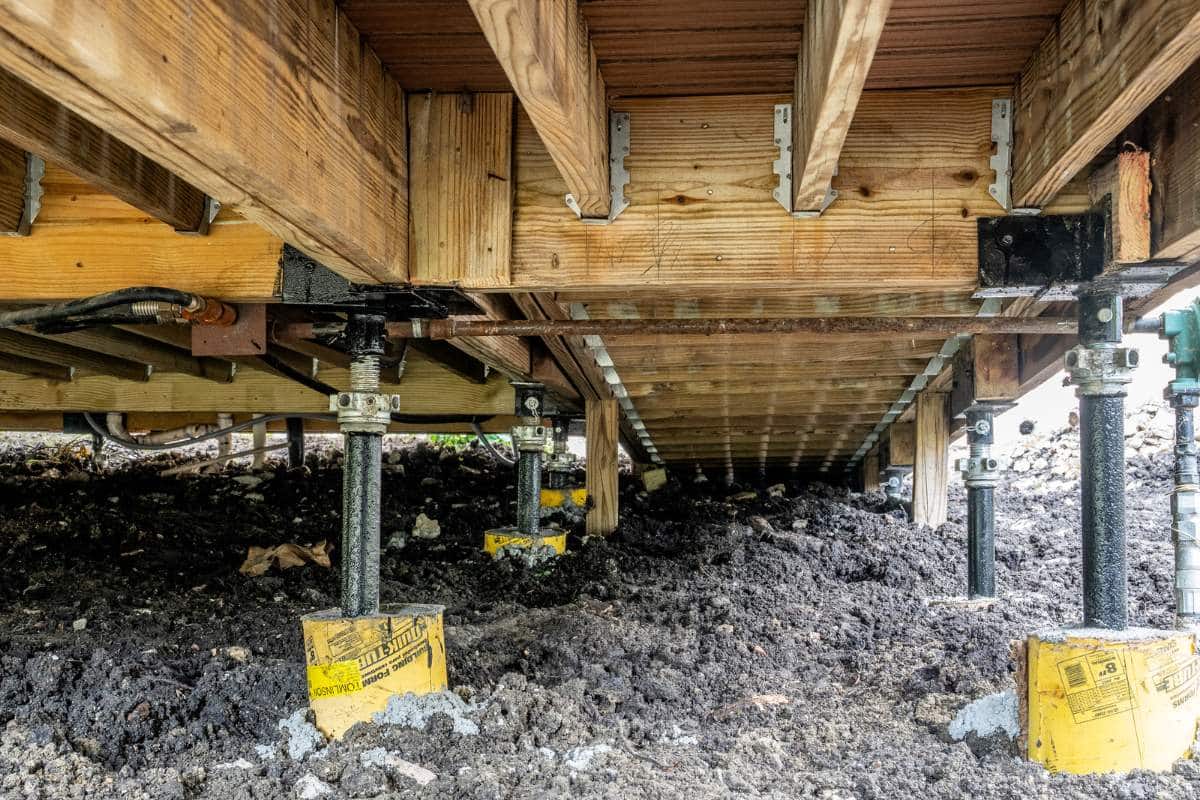
- Pier and Beam Repairs: Reinforcing or replacing existing support piers as part of a standard pier and beam fix, especially when the original materials have shifted or deteriorated over time.
- Level Adjustments: Re-levelling floors using existing piers or adding new adjustable piers or jacks where necessary to correct sloping or uneven surfaces.
- Beam and Joist Replacement: Replacing wood that’s rotted or damaged by pests or moisture. This is a crucial component of beam and floor joist repair, helping to restore the strength of the crawl space framework.

- Skirting and Vapour Seal: Adding a vapour barrier or sealing crawl space vents helps reduce moisture levels and prevents future rot or mold growth.
- Drainage Improvements: When drainage issues contribute to crawl space damage, grading adjustments or French drains may be recommended to keep water away from the foundation and help prevent the need for ongoing foundation post repair.
Regardless of the cause, these repair methods can help restore structural support. It can also help maintain a safe, even floor system over time, especially in homes with pier-and-beam foundations.
How to Help Prevent Crawl Space Support Problems
Preventing issues in your crawl space starts with consistent maintenance and moisture control. Over time, small issues such as humidity or soil shifts can weaken support piers, damage floor joists, and impact the overall crawl space structure.
Doing these preventive steps can help reduce the risk of structural issues and the need for future repairs.
- Keep Water Away: Ensure gutters and downspouts move water at least 4-6 feet away from the foundation. Poor drainage can lead to shifting soil and place stress on support beam posts or foundation posts, requiring repair later on.
- Check for Leaks: Inspect plumbing lines regularly, especially beneath kitchens and bathrooms. Even minor leaks can saturate the soil and contribute to weakened pier and beam supports.
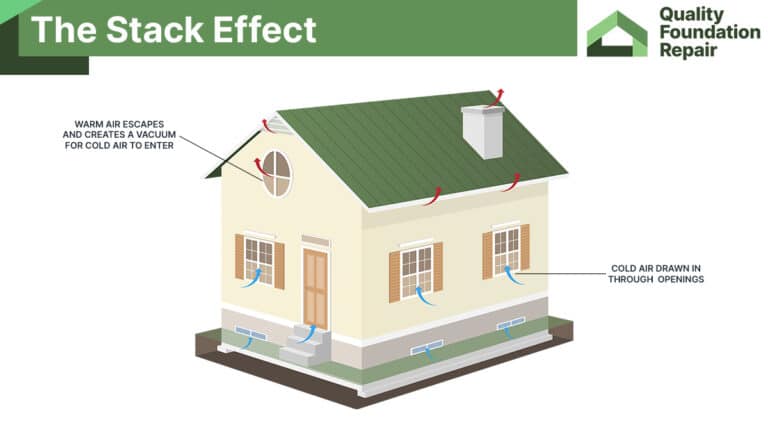
- Ventilate the Crawl Space: Good airflow helps prevent wood rot and pest activity. In non-encapsulated crawl spaces, proper ventilation supports the longevity of floor joists and other wooden components.
- Install a Vapor Barrier: A vapor barrier helps regulate moisture levels in the crawl space. This reduces the likelihood of mold, pests, and the long-term deterioration of structural elements, such as support piers or crawl space jacks.
- Schedule Regular Inspections: Routine inspections can identify early signs of shifting, sagging, or rot, making it easier to plan for repairs or levelling adjustments before the problem spreads.
Taking a proactive approach can help preserve your crawl space support system and prevent the need for major structural repairs down the line.
Common Questions About Crawl Space Floor Supports
What is the cost of installing crawl space support posts?
Costs vary depending on the number of posts required, the extent of the damage, and the accessibility of the crawl space structure. The presence of other necessary repairs, such as floor joist repair or drainage improvements, can also impact pricing.
How long does installation usually take?
Most crawl space support post installations take one to two days to complete. If the job involves replacing beams, making a pier and beam repair, or addressing drainage issues, the project may take longer, depending on the conditions beneath the home.
Will this fix my sloping or bouncy floors?
In many cases, yes. Installing new support piers or repairing foundation posts can lift and level sagging floors. That said, the goal is always to reach a “maximum practical level” without damaging other parts of the structure.
Are crawl space supports permanent?
When properly installed using durable materials, such as steel posts or adjustable jacks, crawl space supports are designed to be long-lasting and reliable. However, future soil movement or moisture issues may require adjustments or maintenance over time.
Know What’s Happening Under Your Home
If your floors are sagging or your crawl space smells musty, don’t ignore it. These could be early signs of a deeper structural issue. The sooner you identify the cause, the simpler, and more affordable, the solution tends to be.
Quality Foundation Repair specializes in pier and beam foundation homes and offers expert evaluations of crawl space support systems throughout Austin and Central Texas. From inspection to repair, every step is guided by experience and focused on lasting results.
Call now or get a FREE ESTIMATE to get started.