
Dealing with water pooling in your yard?
A French drain might be the answer. These underground systems help redirect water away from your home or yard, reducing the risk of erosion, standing water, and even foundation damage.
But before you start digging, there’s one key question to answer: Should you install French drain yourself, or hire a waterproofing company?
This guide breaks down the pros and cons of DIY French drain installation versus working with a professional French drain installer so that you can make the best choice for your property.
What Is a French Drain and Why Install One?
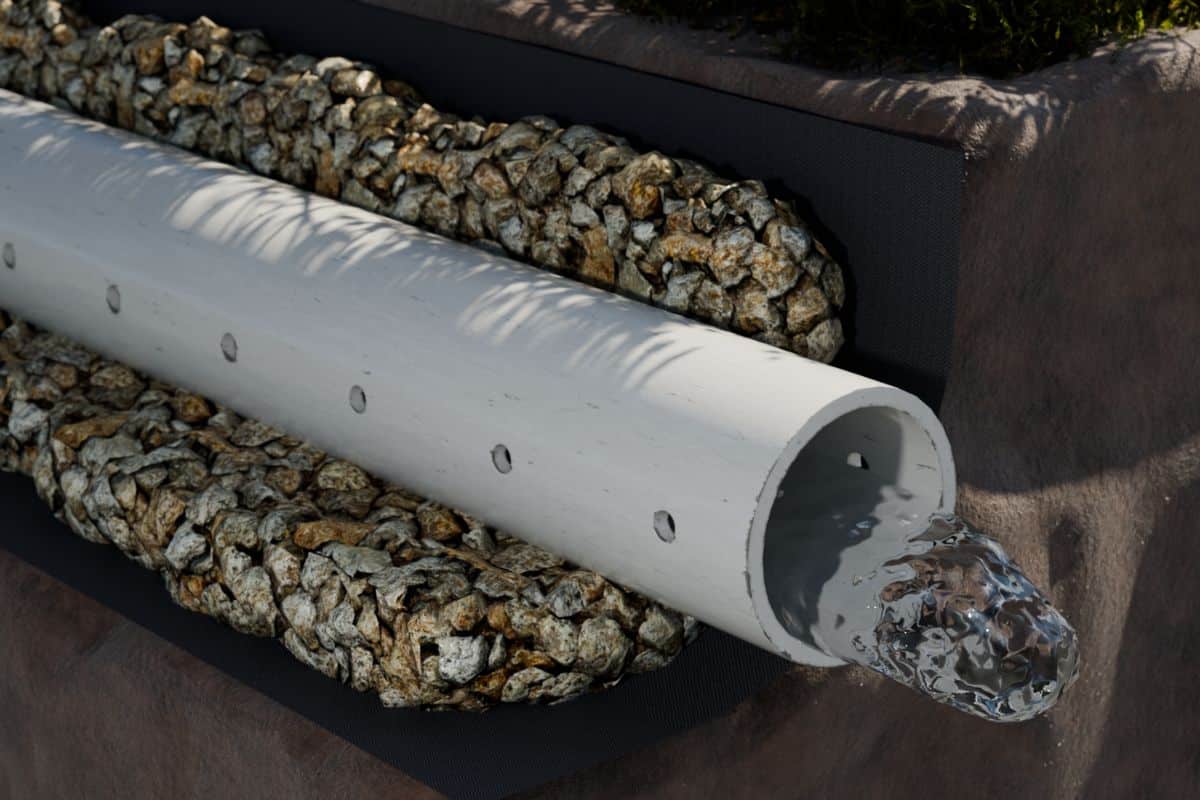 A French drain system is a gravel-filled trench with a perforated pipe that helps collect and redirect water away from areas where it can cause problems. These systems are designed to relieve surface water or groundwater pressure by moving water away from your foundation, yard, or crawl space.
French drains are especially effective for:
- Standing water in your yard
- Water pooling near your foundation
- Wet crawl spaces or basement walls
- Soggy landscaping or poor runoff control
According to the University of California Agriculture and Natural Resources, French drains or dry wells serve as underground water management systems that allow runoff to disperse into the groundwater slowly. While basic dry wells may be filled with gravel or stone, more effective designs use a perforated plastic or concrete tank that can hold more water before gradually dispersing it underground.
These systems can be placed at:
- The end of a swale
- Low spots in the yard
- The base of a slope
- Or fed directly by roof drains
French drains help reduce flooding, prevent erosion, and protect your home’s structure by controlling water before it becomes a serious issue.
DIY French Drain Installation: What to Expect
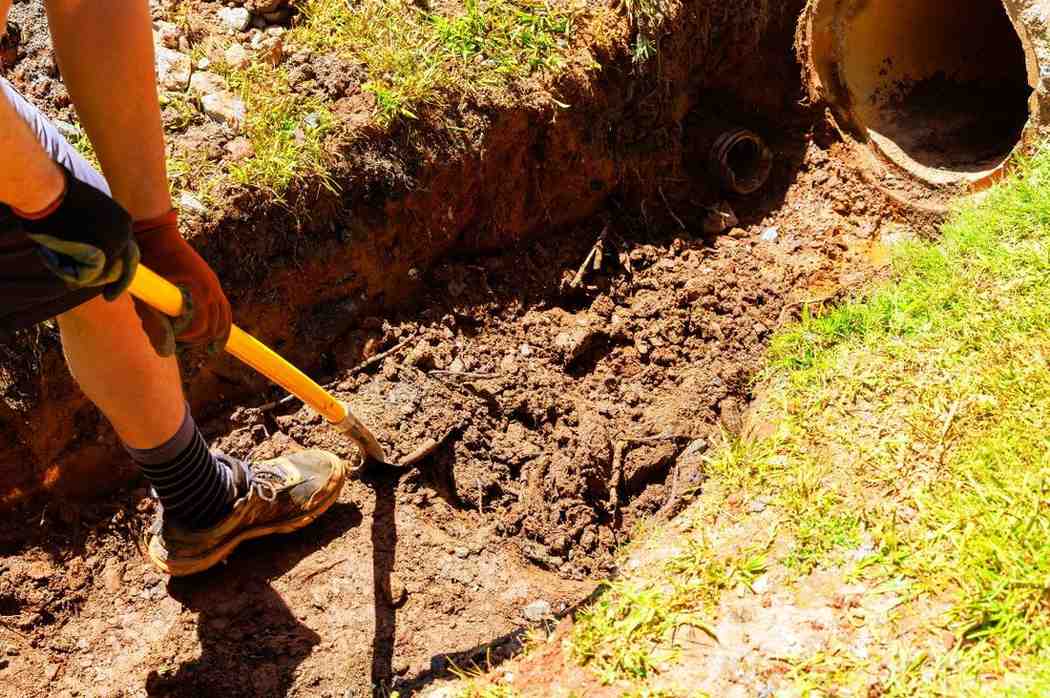
Installing a French drain yourself may seem like a budget-friendly weekend project, but there’s more to it than just digging a trench. While it can work for minor yard drainage issues, success depends on precision, physical effort, and having the right materials.
Pros of DIY Installation:
- Lower upfront cost – You’ll save on labor by doing the work yourself.
- Hands-on satisfaction – Great for homeowners who enjoy landscaping or home improvement projects.
- Effective for simple surface drainage issues – Like soggy patches in flat lawns or water runoff from a small slope.
What You’ll Need:
- Shovel or trencher rental – A trencher saves time and effort, especially in compact or rocky soil.
- Landscape fabric – Prevents soil from clogging the gravel and pipe.
- Clean, washed drainage gravel – Typically ¾ inch crushed stone for best flow.
- Perforated drain pipe – Installed with holes facing downward to collect water from below.
- Pipe fittings and outlet system – To connect pipe sections and direct water to a safe exit point.
- Correct slope – Aim for at least 1 inch of drop per 10 feet of trench to ensure proper drainage flow.
Challenges to Consider:
- Digging is tough work – Especially in Texas clay or rocky soil, trenching can be exhausting and time-consuming without the right tools.
- Getting the slope right is critical – Too flat, and water won’t move. Too steep, and you risk erosion or blowouts.
- Trench placement must be strategic – If you dig a French drain in the wrong location, it may do more harm than good by shifting water to new problem areas.
- Shallow or uneven trenches – These can lead to poor flow, clogged pipes, or water backing up during heavy rain.
- Improper layering – Using sand instead of gravel, or skipping the landscape fabric, can cause the system to clog prematurely.
Common DIY French Drain Mistakes:
- Using unwashed gravel or stone with fine particles that block drainage
- Skipping landscape fabric, which leads to clogged gravel and pipe
- Installing a pipe with holes facing upward, preventing it from collecting water correctly
- Overlooking outlet planning – Water must be directed to a safe discharge area, like a swale or dry well.
In short, DIY French drains can be done successfully for small-scale yard fixes. But mistakes in grading, materials, or trench depth can lead to failure, added costs, or damage to your foundation.
Hiring a Professional: What You Get
 While DIY installation can work for small drainage issues, hiring a professional French drain installer is often the smarter and safer choice, especially if water is threatening your foundation, basement, or crawl space.
Professionals bring not only the tools and labor, but also the knowledge and long-term planning to install a system that works. You’re not just paying for a trench, you’re investing in expert design, reliable materials, and drainage solutions that protect your home for years to come.
Benefits of Hiring a Pro
- Precision Grading and Trench Design
Professionals calculate the slope, depth, and direction of the trench to ensure water flows efficiently, without pooling, backflow, or erosion. This precision is key to long-term performance and something DIY often gets wrong.
- Access to Heavy-Duty Equipment
Instead of relying on hand tools or renting a trencher, a drainage contractor arrives with commercial-grade trenchers, soil compactors, and laser levels. This reduces installation time and ensures consistency throughout the system.
- Knowledge of Soil, Codes, and Permits
Experienced contractors know how to work with your region’s specific soil conditions, whether it’s Texas clay or rocky terrain. They also understand local building codes, setback requirements, and permit needs, which helps avoid costly mistakes or red tape.
- Seamless System Integration
Professionals can tie your French drain into other systems like:
- Foundation waterproofing
- Sump pumps
- Gutter downspouts
- Dry wells
This integration ensures all parts of your drainage system work together, rather than pushing the problem elsewhere.
- Warranty and Service Guarantee
Most reputable contractors, including Quality Foundation Repair, offer warranties or service plans that cover workmanship and materials. This means if issues arise, you’re not left re-digging or patching the system yourself.
More Than Just a Drain
A professional also knows when a French drain alone isn’t enough. They may recommend complementary fixes such as:
- Sump pump installation for active water removal
- Soil grading or re-sloping to improve surface runoff
- Downspout extensions to keep roof water away from the foundation
- Foundation crack sealing if water intrusion has already occurred
In other words, pros don’t just install drains; they solve drainage problems holistically, preventing future damage to your yard and home.
French Drain Installation Cost: DIY vs. Professional
Understanding the true cost of installing a French drain means looking beyond just the price tag. While DIY may appear more affordable upfront, mistakes or missed steps can lead to expensive repairs later, especially if drainage issues impact your foundation.
Here’s a side-by-side look at what you’re paying for with each option:
|
Type |
Estimated Cost |
What’s Included |
|
DIY Installation |
$200–$1,500 |
Gravel, perforated pipe, connectors, landscape fabric, trenching tools (shovel or rental trencher), and your time/labor |
|
Professional Installation |
$1,000–$6,000+ |
All materials, labor, professional trenching equipment, precision grading, soil compaction, system design, drainage tie-ins, and site cleanup |
Tip from the Experts:
If your drainage problem is close to your foundation, basement, or crawl space, the cost of getting it wrong is high. In these cases, hiring a drainage contractor isn’t just recommended, it’s often essential for protecting your home and avoiding future repair costs.
When DIY Might Be Enough
- Fixing a soggy patch in the yard away from your home
- You have easy-to-dig soil and a clear slope
- You’re comfortable with physical labor and tool rental
When to Call a Professional
- Drainage issue is near your foundation, crawl space, or basement
- Yard has poor slope, compacted clay, or complex grading
- You’ve had recurring water problems that haven’t improved
- You want a system that lasts with minimal maintenance
How Quality Foundation Repair Can Help
 At Quality Foundation Repair, we provide professionally installed French drain systems and expert foundation repair services designed to protect your home from the ground up.
If you’re dealing with water pooling near your home, uneven floors, or signs of foundation movement, our team is here to help. We specialize in identifying drainage and foundation issues early, before they turn into costly repairs.
Our Services Include:
- French drain installation and repairs to redirect water away from your home and reduce pressure on the foundation
- Foundation inspections to assess the condition of pier and beam or slab foundations and pinpoint the cause of settling or structural shifts
- Pier and beam and slab foundation repairs tailored to Central Texas soil conditions, designed to restore stability and protect your home over the long term.
We don’t offer quick fixes; we provide the right solutions. Our team understands how local soils behave and how drainage impacts your foundation. When you choose Quality Foundation Repair Can Help, you get experienced professionals who take the time to assess your property, explain your options, and install systems that work.
Final Thoughts: Which Option Is Right for You?
A DIY French drain might work for backyard drainage fixes or light surface water issues in a small yard. But if the water is affecting your foundation, or if you want peace of mind and long-term performance, hiring a professional French drain installer is usually the safer bet.
Still unsure? We can evaluate your property and help you decide the best course of action. No pressure, just honest guidance.
Get a free estimate or schedule a consultation with Quality Foundation Repair today and get expert advice on protecting your home with a French drain that works.