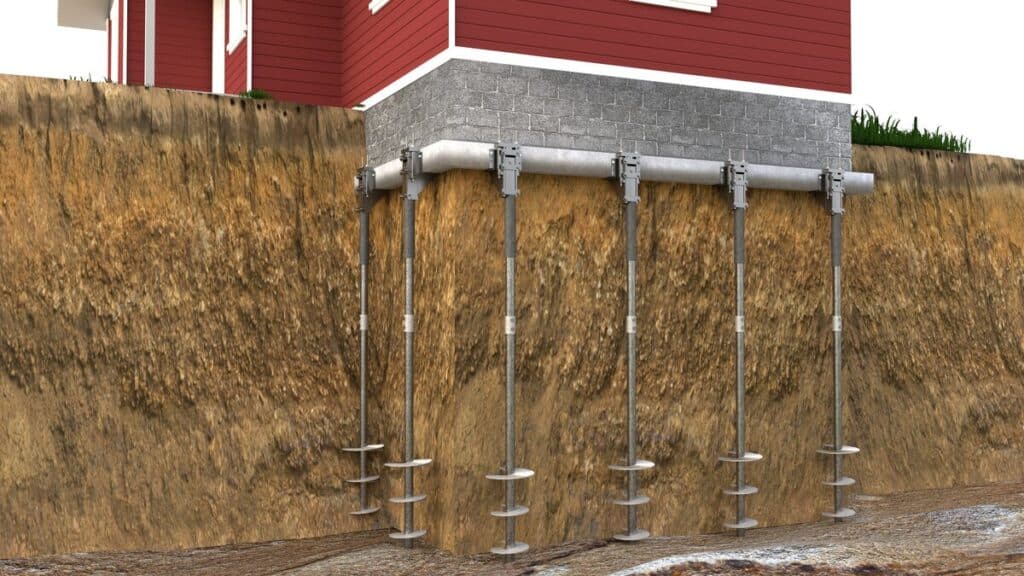
Unlevel floors, doors that stick, and cracks in your walls are signs that your foundation may be shifting. If you’re seeing them, you’re probably asking yourself if this is something you can fix or if it’s time to call a professional.
At Quality Foundation Repair, we’ve seen both sides: homeowners who attempted DIY fixes and those who trusted experts from the start. The difference comes down to safety, stability, and long-term peace of mind.
In this article, we’ll explain what DIY house leveling involves, the hidden risks most people don’t expect, and when to hire a contractor.
What Is House Leveling?
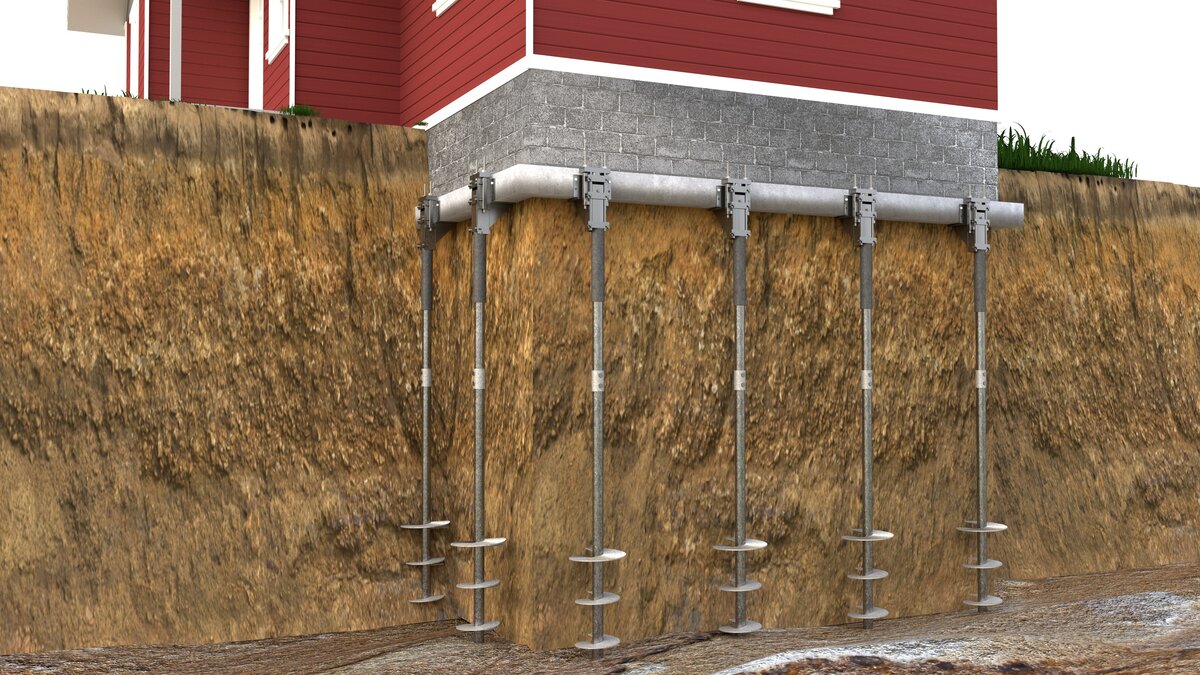
House leveling means returning your home’s foundation to a level, stable, and safe position. When your foundation shifts, the entire structure reacts. You see uneven floors, doors that stick, and cracks stretching across walls. These aren’t small issues; they signal that your home is slowly sinking or tilting. If you delay repairs, the damage worsens and the cost to fix it skyrockets.
Over time, shifting soil, heavy rain, poor drainage, or natural settling push the foundation out of place. Leveling solves this unevenness issue. It raises and stabilizes the foundation so the structure sits evenly again.
Can You Level a House Yourself?
Yes, you can DIY house leveling, but you take major risks. With floor leveling jacks, wood beams, and trial-and-error lifting, you might handle small fixes, like shimming a pier or adjusting a door frame.
But when you face wide cracks, multiple uneven rooms, or a sagging floor, slab lift DIY approaches won’t work. Improper lifting can crack your walls, break plumbing, or destabilize your home’s structure.
Common Signs Your Home May Need Leveling
Your home sends clear warnings when the foundation starts to shift. Foundation issues never correct themselves. When you see multiple signs like these, you should act immediately.
Watch for these red flags:
- Floors slope or feel uneven: You notice a tilt when walking or see furniture sliding out of place.
- Doors and windows stick: The frames shift, making it hard to open or close them smoothly.
- Cracks spread across walls or ceilings: Diagonal or stair-step cracks often signal foundation movement.
- Gaps appear around doors and windows: Openings no longer match their frames.
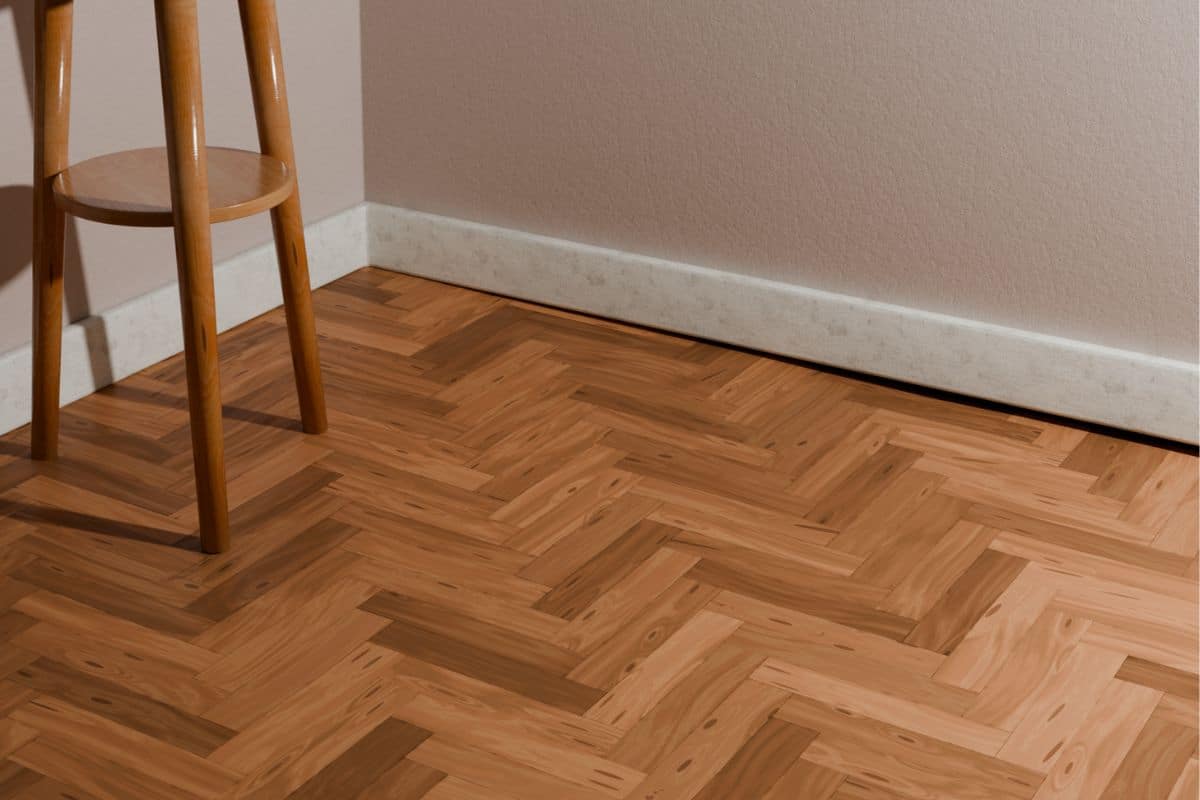
- Floors separate or buckle: Boards pull apart or dip in certain spots.
- Walls bow or lean: Exterior walls bulge or tilt as the foundation shifts.
- Plumbing leaks or backs up: Pipes bend or break when the house settles unevenly.
What DIY House Leveling Involves
Trying to do a crawl space DIY repair or using pier leveling tools sounds simple if you think about it, but it is actually complex and risky.
Here’s what it involves:
- Inspecting and Diagnosing the Problem: You crawl under the house, search for sunken spots, rotting beams, soil erosion, or water damage. If you missed the real cause, your repair won’t hold.
- Gathering Tools and Materials: Homeowners typically rely on non-structural grade jacks, wood beams, blocks, levels, and safety gear, tools that can’t match professional equipment.
- Lifting the Foundation: You may use house jacking to raise sections. But lifting unevenly or too fast can snap plumbing or crack walls.
- Adding Temporary Supports: After lifting, you might add temporary supports like wood shims or blocks under the beams to hold the house in place. These makeshift supports rarely last long and often sink again when the soil shifts.
- Monitoring for Future Movement: DIY fixes don’t stop the problem. Without permanent supports like steel piers, your foundation often sinks again, sometimes worse than before.
Risks of DIY House Leveling
DIY house leveling may look like a way to save money, but it often causes bigger problems and higher costs while risking your safety.
Here’s what happens when you try to level your home:
- You Damage the Structure: When you lift the house unevenly or too quickly, you can crack walls, warp door frames, and even split support beams. Repairing that damage costs far more than hiring a pro upfront.
- You Break Plumbing and Utility Lines: Snapped pipes, pulled wires, or damaged gas lines when you move the foundation without proper control.
- You Risk Serious Injury: Improper use of pier leveling tools and jacks may cause severe injuries.
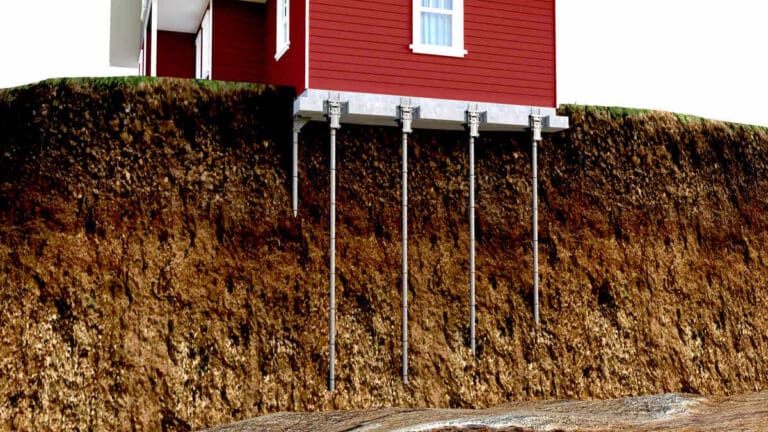
- You Create Short-Term Fixes That Fail: Makeshift supports sink again when the soil shifts. Without permanent steel piers or pilings, the foundation keeps moving.
- You Spend More in the Long Run: DIY attempts usually fail, forcing you to call a professional later, only with more damage and a bigger bill.
- You Lose Warranty and Insurance Protection: Do it yourself house leveling repairs give you no safety net. Professionals provide warranties and insurance.
House leveling demands precision, experience, and the right equipment. If you try to do it yourself, you gamble with your home’s safety and your own.
House Leveling Cost: DIY vs. Professional
When you consider leveling your house, you naturally think about cost. DIY methods may seem cheaper upfront, but professional house leveling delivers real value and long-term protection for your home.
Option | Estimated Cost | What’s Included |
DIY Leveling | Lower upfront cost | You buy basic tools, hydraulic jacks, and shims, but you get no warranty or lasting support. |
Professional Leveling | Higher investment | Skilled crews inspect and adjust piers or beams, use advanced techniques, and back their work with a warranty. |
What a Professional House Leveling Contractor Does
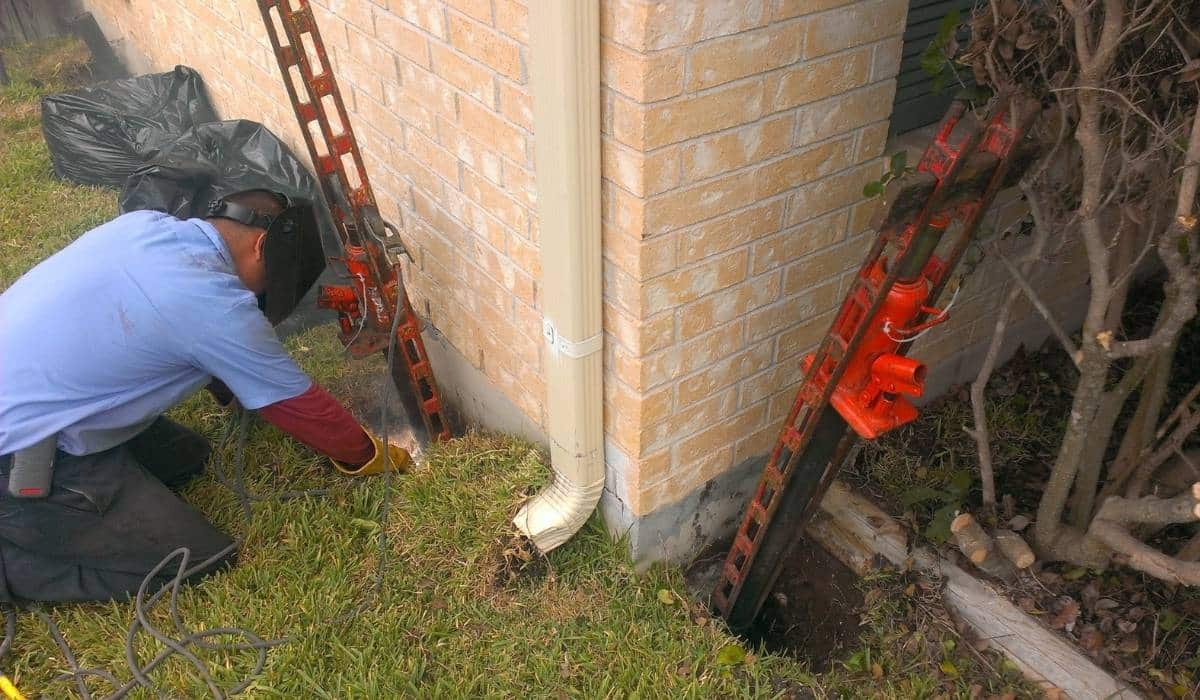
When you hire us, we do far more than raise your floors. We find and fix the real issue causing your foundation to sink or tilt.
Here’s how we do it:
- Inspect the foundation: We thoroughly examine your home to pinpoint the exact cause of settling or uneven floors.
- Use precision leveling equipment: We lift and support your home evenly, protecting walls, floors, and plumbing.
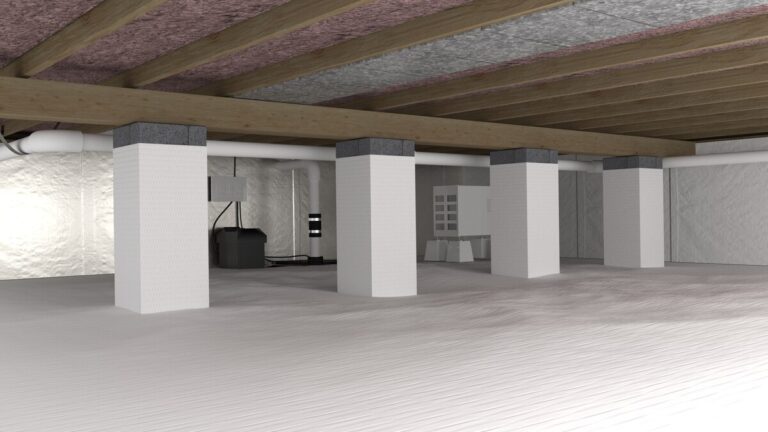
- Reinforce or replace beams and joists: We strengthen the structural supports beneath your home to restore proper stability.
- Evaluate soil and improve drainage: We assess the soil conditions and recommend grading or drainage fixes to prevent future foundation problems.
- Provide a written warranty: We guarantee our work, giving you satisfaction that our repair will last.
Choose Between DIY and Professional House Leveling
Your choice between DIY and professional house leveling depends on how complex the problem is. Use this guide to choose the most effective approach:
Scenario | DIY Possible? | Best Approach |
Minor repairs in a crawl space | Yes | Handle it yourself with caution |
Beam replacement or framing repair | No | Hire a professional foundation expert |
Lifting a sagging slab | No | Call a licensed contractor |
Uneven floors in multiple rooms | No | Schedule a full inspection and leveling service |
Schedule Your Foundation Inspection
If you see cracks, sloping floors, or doors that won’t close, don’t risk a failed foundation fix DIY. Let our experienced team at Quality Foundation Repair inspect your home and explain the safest, most effective ways to restore its stability.
Call us today or request a house leveling estimate and take the first step to protect your home.