Cracks in your walls. Doors that won’t shut right. Floors that feel like a rollercoaster. These seemingly minor issues may seem harmless, but they could be signs of something much more significant. Your home’s foundation might be shifting underneath you. And when that happens, the damage can escalate quickly and become even more expensive to repair.
The good news? There’s a reliable way to stop it. It’s called house underpinning, and it’s one of the most effective ways to stabilize your foundation and protect your home for the long haul. In this guide, we’ll explain how underpinning works, why it’s necessary, and how our team at Quality Foundation Repair can help restore strength and safety to your home.
Keep reading to learn if your home is at risk and what steps to take next.
What Is House Underpinning?
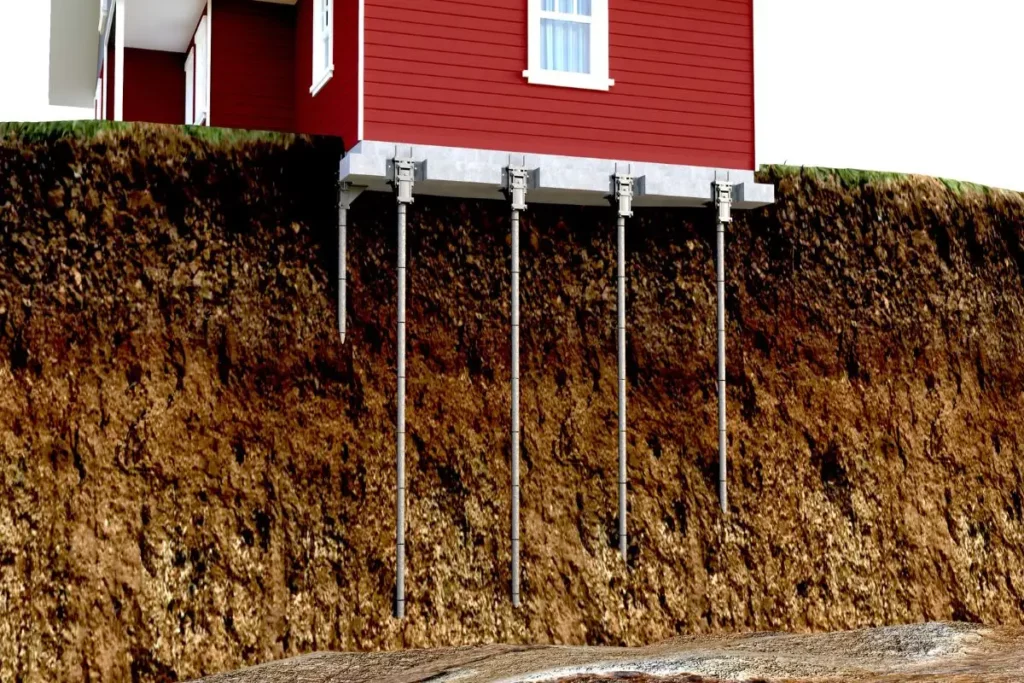
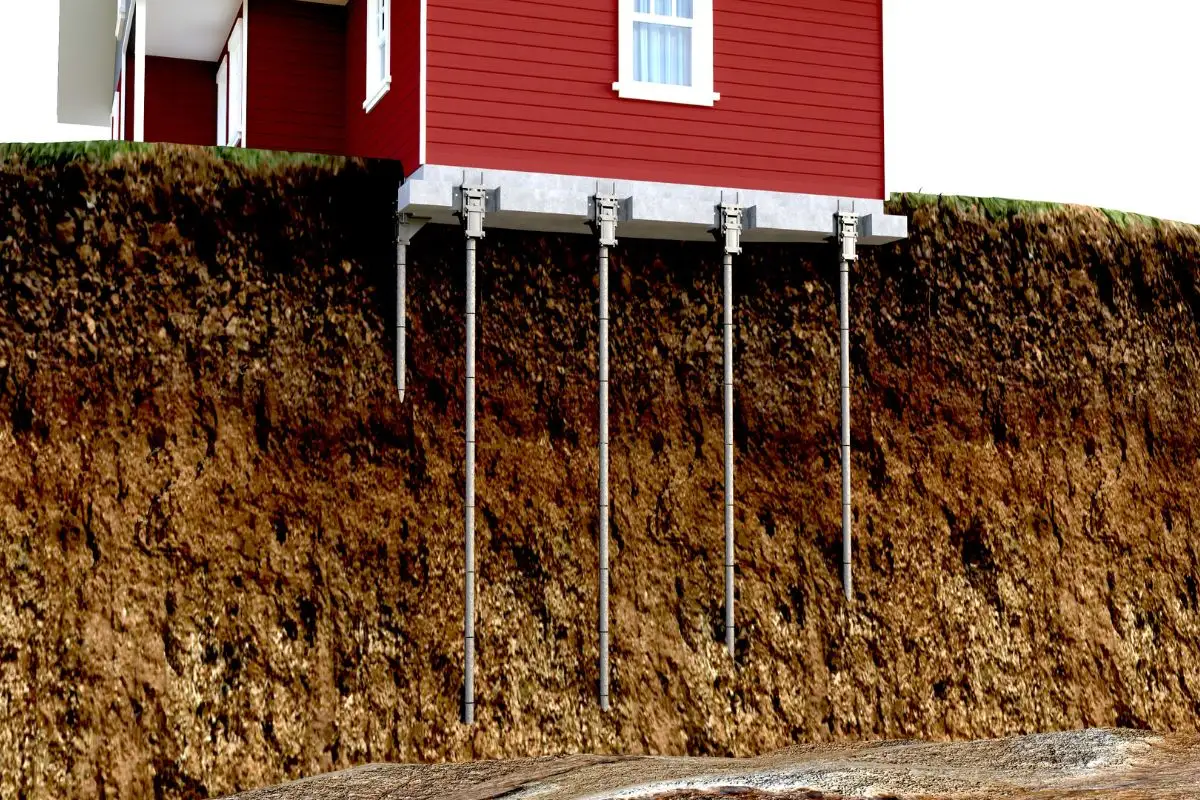 House underpinning is the process of structural strengthening an existing foundation by installing additional support beneath it. Underpinning is defined by building authorities, such as the NYC Department of Buildings, as the process of installing a new foundation beneath an existing one. It’s a proven solution when the original foundation is no longer strong or stable enough to support the structure.
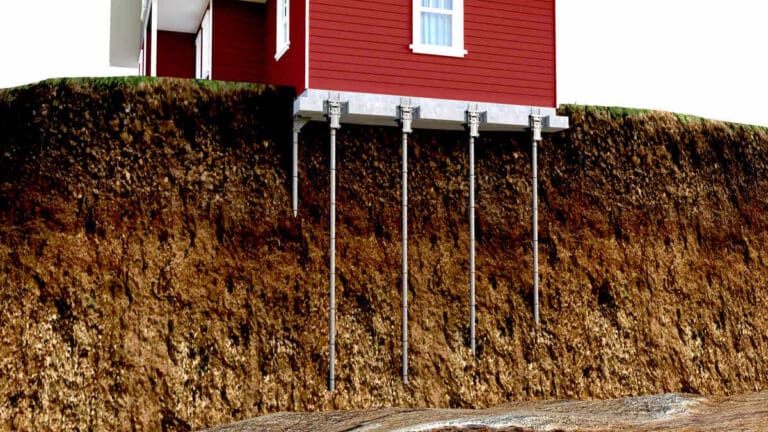
This foundation enhancement often involves placing underpinning piers, like steel push piers or helical piles, deep into stable soil to support the structure above. In some cases, contractors may also install deeper concrete footings or new support beams to help the home bear its weight more effectively.
House underpinning is designed to stop foundation settlement, correct uneven floors, and protect the long-term structural integrity of your home.
Signs You May Need House Underpinning
Are you unsure if your home needs foundation work? Some warning signs are easy to spot, and they often mean your foundation is no longer providing proper support.
You may need foundation underpinning if you notice:
- Cracks in walls, ceilings, or exterior brickwork, especially diagonal cracks near windows or doors
- Uneven, sloping, or bouncing floors are a common sign of structural movement beneath your home
- Windows or doors that stick or won’t close properly, often caused by shifting or sinking foundations
- Gaps between baseboards, floors, or ceilings show separation as the structure settles
- Visible foundation movement or separation, such as cracks along the slab or shifting pier and beam supports
These issues often indicate deeper problems that can be addressed with underpinning, depending on the type of your foundation. If you’re seeing any of these symptoms, don’t wait. Underpinning may be the key to restoring your home’s stability and preventing further damage.
Common Causes of Foundation Settlement
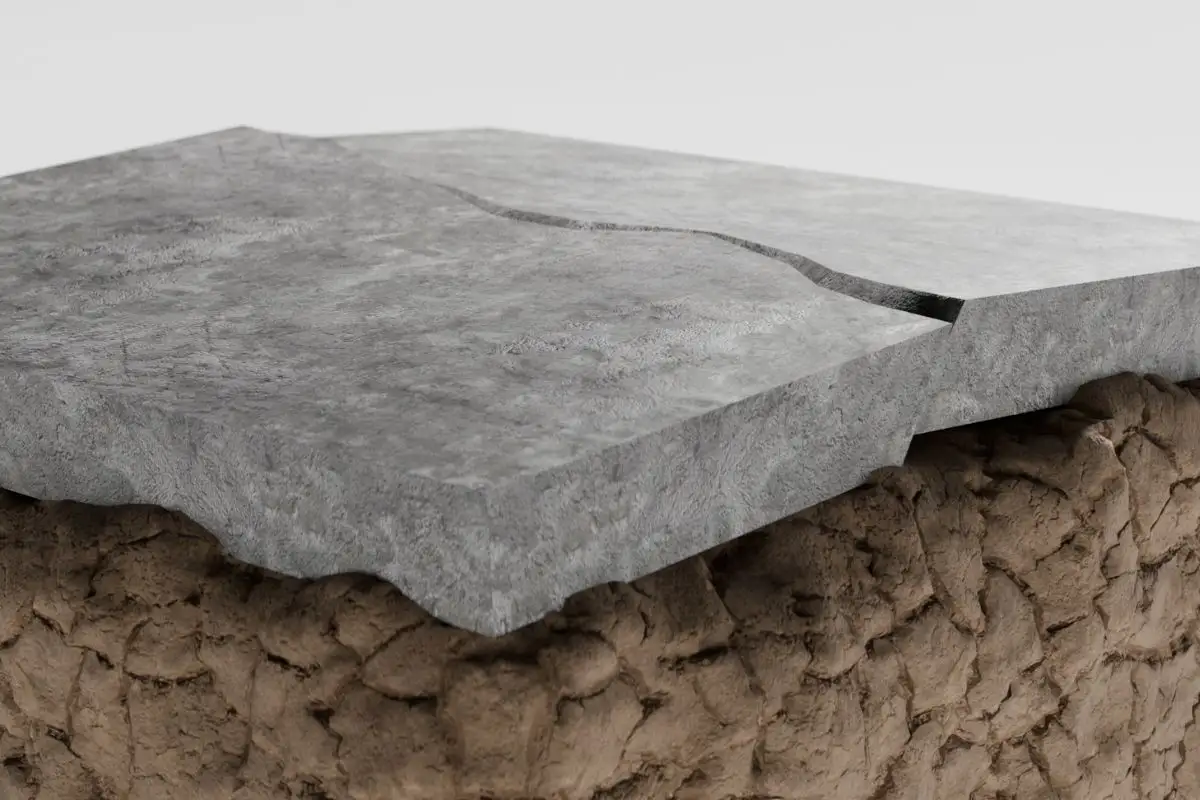 Foundation problems don’t just appear out of nowhere; they’re usually caused by changes in the soil or issues that arose during the home’s construction. These problems can weaken your foundation and may lead to the need for house underpinning or soil stabilization.
Here are the most common causes:
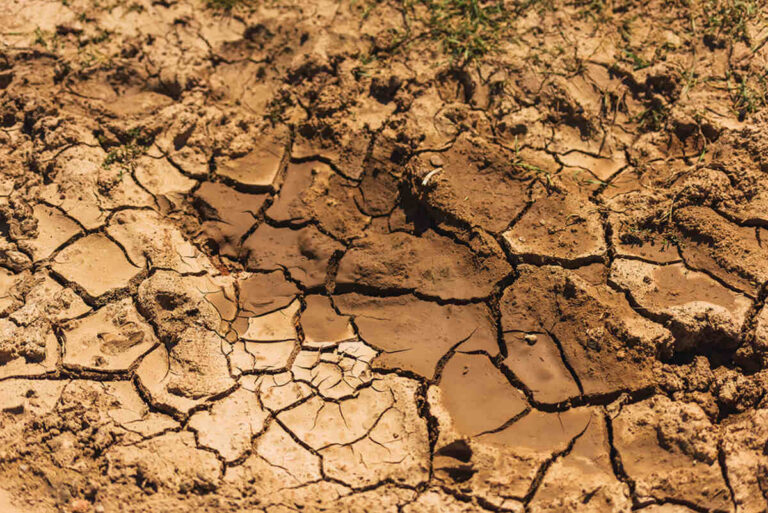
- Expansive clay soils: Common in Central Texas, these soils shrink and swell with moisture, putting pressure on your foundation.
- Poor drainage: Water pooling near the foundation system can wash away or weaken the soil underneath
- Plumbing leaks: Leaking pipes beneath your slab foundation or pier and beam home can soften soil and cause sinking
- Soil erosion or improper grading: When water isn’t directed away from your home, it can erode the soil and lead to uneven support
- Overloaded footings: Foundations built on poorly compacted soil or with undersized footings can sink over time
- Natural settling in older homes: Homes often shift slightly as they age, especially if the original soil wasn’t properly prepared
When these conditions cause the ground to shift, your foundation can also move. That’s why many homeowners need deep support systems to restore stability and prevent further damage.
How House Underpinning Works
House underpinning is especially important in areas like Central Texas, where expansive clay soils can cause constant shifting and settlement.
The underpinning process includes:
- Installing deep foundation piers or piles beneath the existing footing to reach solid, load-bearing soil
- Lifting the structure back toward its original position, if possible and practical
- Securing the foundation with permanent support systems to prevent future movement or sinking
By distributing the home’s weight more evenly and anchoring it into more reliable ground, foundation underpinning helps restore stability and stop ongoing damage.
This process requires specialized equipment, experienced crews, and a deep understanding of local soil conditions. Many homeowners in Texas trust Quality Foundation Repair to get it done right.
Common Types of Underpinning Methods
 The method of underpinning chosen for a foundation depends on soil conditions, structural requirements, and access constraints. Below are the most common types of underpinning systems used in foundation repairs.
1) Mass Concrete Underpinning (Mass Pour Method)
This is the oldest and most traditional form of underpinning. It involves excavating sections beneath the existing foundation, one at a time, and filling each section with concrete before moving to the next.
- Typically used for shallow foundations
- Increases the depth and footprint of the original foundation
- A slow and labor-intensive process
- Best suited for areas where access for machinery is limited
- Requires no heavy equipment, making it ideal for low-clearance sites
Although less common in modern projects, it remains a reliable method in certain conditions where simplicity and manual labor are more practical than machine access.
2) Beam and Base Underpinning
This method, also known as the base and beam method. It uses a reinforced concrete beam to redistribute the building’s weight onto strategically placed concrete bases or piers.
- Designed to transfer loads from the original foundation to deeper, more stable soil
- Useful in cases where mass concrete underpinning isn’t sufficient for deeper settlement
- Often used for pier and beam foundations
- More adaptable than traditional methods and allows for greater structural control
This system is commonly chosen when targeted load-bearing reinforcement is needed beneath specific sections of the foundation.
3. Mini-Piled Underpinning
Mini-piled underpinning is one of the most advanced and adaptable foundation reinforcement methods available today. It’s commonly used when the existing foundation needs to transfer loads to deeper, more stable soil, especially in areas where access is limited or soil conditions vary widely.
This technique is ideal for projects where:
- Site access is tight (e.g., near property lines or in urban neighborhoods)
- Traditional equipment or heavy machinery cannot be used
- The foundation must reach load-bearing soil as deep as 50 feet
- Noise, vibration, or environmental impact must be minimized
Mini-piled underpinning has evolved under many names and engineering variations. Despite its complexity, it’s now one of the most widely used underpinning methods in modern construction and foundation repair.
Mini-piled systems typically include:
a. Push Piers (Steel Push Piers)
Push piers are steel cylinder tubes that are driven into the soil using hydraulic pressure until they reach a competent load-bearing layer. Once installed, these steel piers are attached to the home’s foundation with a remedial bracket.
- Suitable for slab underpinning and deep-settlement homes
- Provides strong vertical support
- Often used to lift and stabilize foundations with significant sinking
b. Helical Piers (Helical Piles)
Helical piers are round or square steel shafts with welded helix plates at the base. They are screwed into the ground, not driven, making them ideal for variable or loose soil conditions.
These piers are also connected to the foundation via brackets.
- Useful for crawl spaces, additions, and lighter structures
- Installs with minimal vibration or disturbance
- Can also support foundation lift and structural releveling
c. Helical Tiebacks
Helical tiebacks are similar in design to helical piers but are installed at an angle and used to provide lateral support. They’re often used to anchor retaining walls or straighten bowed basement walls.
- Anchored deep into stable soil or bedrock
- Provides high-strength wall stabilization
- Can resist lateral forces up to 200,000 pounds
- Suitable for basement underpinning or retaining wall reinforcement
Underpinning vs. Other Foundation Repair Methods
Not all foundation problems require the same solution. Understanding how underpinning compares to other common repairs can help you choose the right solution for your home.
Repair Method | Purpose |
Underpinning | Strengthens and stabilizes the entire foundation at depth |
Slab Jacking (Mudjacking) | Fills empty spaces beneath concrete slabs to lift and level them |
Beam Replacement | Replaces damaged or sagging beams in pier and beam foundations |
Piers Only | Supports specific points where the foundation has settled |
Underpinning is typically recommended when the whole structure shows signs of movement, such as widespread cracking, uneven floors, or shifting walls.
Unlike slab jacking or piers-only solutions, which address isolated areas, underpinning provides deep foundation support across a larger section or the entire base of the home. It’s especially effective in cases where unstable soil, water damage, or long-term settlement has compromised the foundation’s ability to carry the load evenly.
What Happens If You Delay Underpinning?
Delaying foundation underpinning can lead to far more serious and expensive problems down the road. Foundation issues rarely fix themselves. They often worsen over time, especially in areas with expansive clay soil, such as Central Texas.
When you put off necessary repairs, you risk:
- Severe structural cracks in walls, ceilings, and flooring
- Water intrusion leading to mold growth and indoor air quality issues
- Uneven or unsafe floors, sagging framing, and shifting supports
- Escalating repair costs as the damage spreads
- Negative impact on your home’s appraisal, resale value, or even insurance eligibility
Many homeowners delay repairs due to uncertainty, but the truth is, taking early action is the key to avoiding major disruptions later.
At Quality Foundation Repair, we specialize in identifying problems before they become disasters. Our team utilizes advanced tools to assess your foundation, explain your options, and recommend long-lasting solutions, such as underpinning piers or deep foundation stabilization.
Protect Your Home Now, Before the Damage Spreads
Suppose you’ve noticed cracks, sloping floors, or doors that no longer close properly. Don’t wait. Let the trusted experts at Quality Foundation Repair provide a no-pressure inspection.
Call today to schedule your foundation inspection.