Cracks in the wall. Floors that sag. Doors that stick like they’re welded shut.
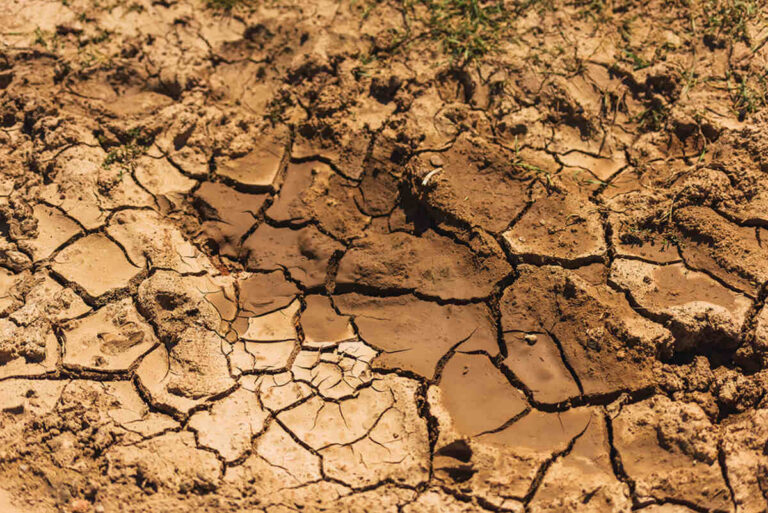
These aren’t just quirks of an aging house; they’re warning signs. In Austin and across Central Texas, foundation problems are as common as summer heat. Why? Because the expansive clay soil under your home expands when wet and shrinks when dry, causing your foundation to shift, settle, and crack over time.
That’s where foundation stabilization comes in. It’s not cosmetic. It’s not optional. It’s how you stop movement, prevent further damage, and protect your home’s structural integrity for the long haul. If you’re starting to notice the signs or want to avoid the mess entirely, now’s the time to understand your options.
Let’s dig in.
What Is Foundation Stabilization?
Here’s the plain truth: your house is only as strong as what it’s sitting on. And when the ground underneath starts to shift, which it does all the time in Central Texas, your home pays the price.
Foundation stabilization is how you fight back. It’s the process of reinforcing your foundation to prevent movement and keep your home from sinking, cracking, or falling out of level. Think of it as putting your house in a structural seatbelt, so when the soil moves, your home doesn’t.
Around Austin, our expansive clay soils swell with rain and shrink during dry spells. That back-and-forth motion causes house foundations to settle unevenly, which shows up as cracked walls, sloping floors, and doors that refuse to shut.
Stabilization puts a stop to it. And when done right, it means:
✅ No more sagging floors or shifting walls
✅ Improved structural integrity and home value
✅ Fewer repairs and fewer headaches in the long run
Bottom line? It’s not just about fixing damage. Foundation stabilization protects your investment and keeps your home safe, steady, and standing strong for years to come.
Common Signs You May Need Foundation Stabilization
You don’t need a hard hat or a contractor’s license to spot foundation problems. Most homes start to show symptoms long before the damage gets dangerous; you have to know what to look for.
Here are the most common warning signs your foundation’s on the move:
Inside the House
- Cracks in drywall, especially around doors, windows, or corners, tiny ones today, big headaches tomorrow.
- Doors or windows that stick, swing open, or don’t line up quite right. That’s your house shifting.
- Uneven or sloping floors, if your coffee table’s doing a slow slide, it’s not the furniture.
- Gaps between walls, ceilings, and floors, your home’s coming apart at the seams.
- Tile or flooring cracks that appear for “no reason” are probably under your feet.
Outside the House
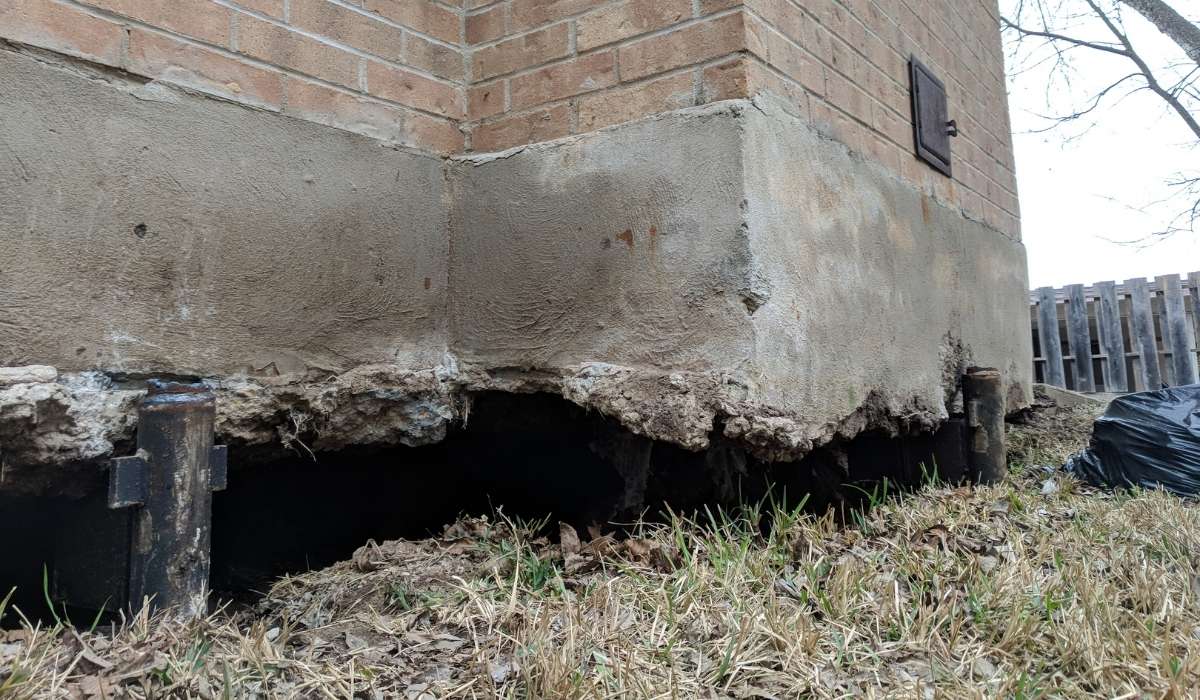
- Cracks in brick or stone, especially stair-step patterns, are classic signs of foundation settlement.
- Gaps around doors, windows, or fascia indicate that the frame is moving even if the glass isn’t.
- Cracks in the concrete slab or around the perimeter, those aren’t just surface blemishes.
- A leaning chimney, charming in old movies, not great in real life.
- Soil pulling away from the home, when the ground quits supporting your house, bad things follow.
The key takeaway? These signs aren’t going to fix themselves. But with expert foundation stabilization, you can stop the damage, reinforce your home, and restore peace of mind without rebuilding from scratch.
How We Stabilize Your Foundation
At Quality Foundation Repair, we don’t believe in band-aids or one-size-fits-all fixes. Every house has its own story and its soil problems. That’s why we start by inspecting the damage, checking the soil conditions, and determining the cause of your foundation’s movement.
Then, we build a plan that works, using the right tools for the job.
1. Push Piers
Best for slab foundations dealing with settlement or sinking
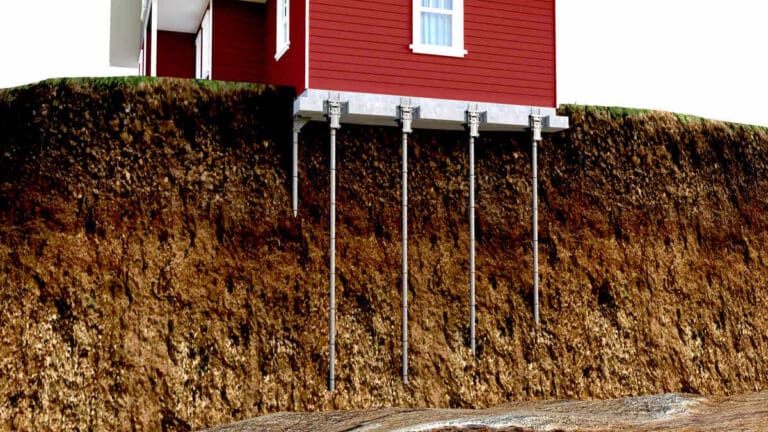
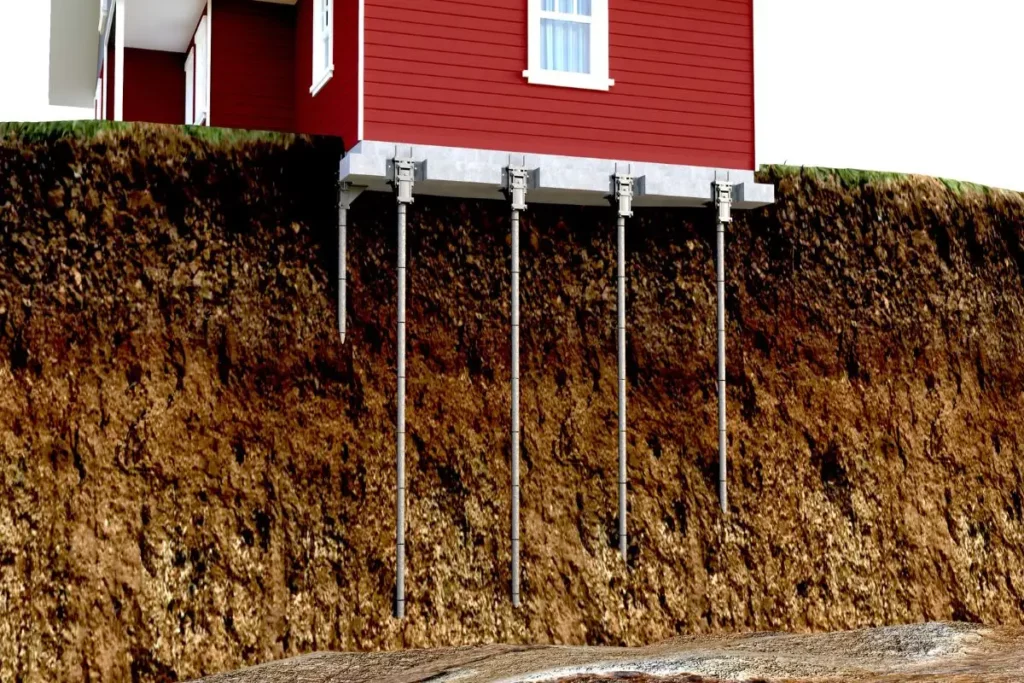
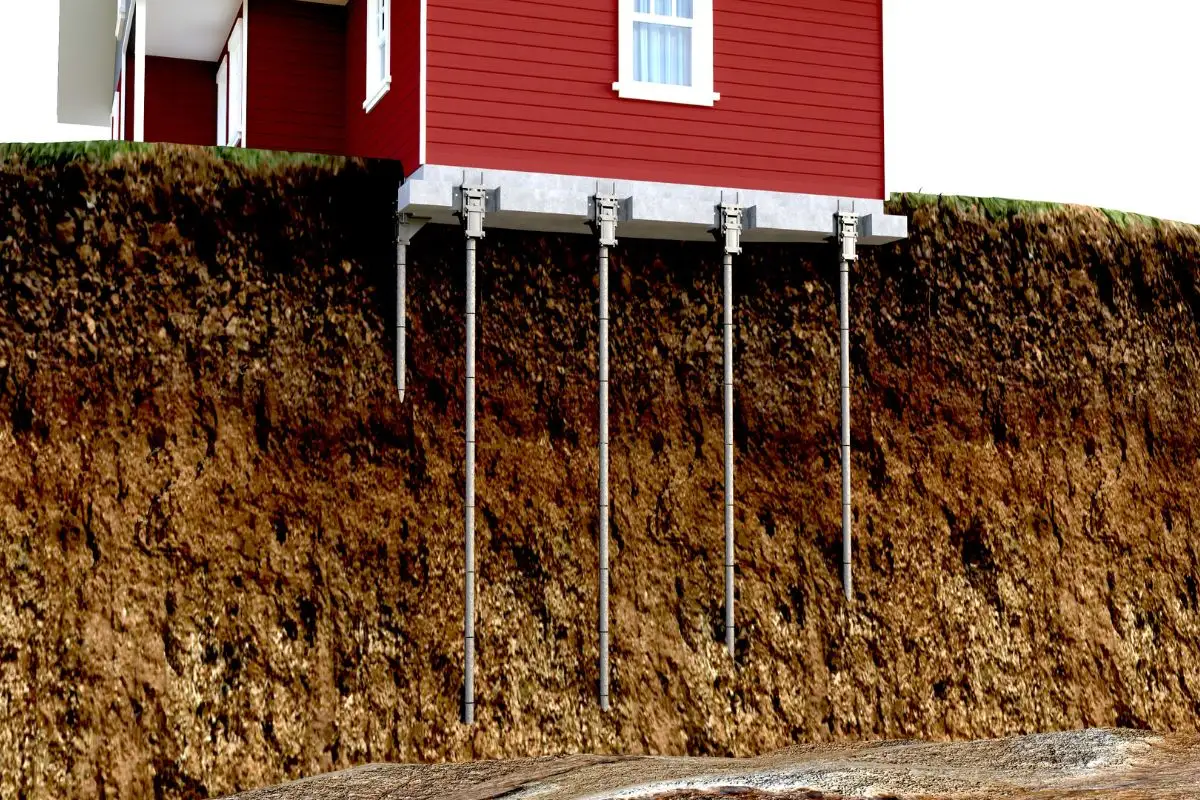
We drive steel push piers deep into stable ground, sometimes to bedrock. These piers lift and lock your home back into place, giving it the kind of slab support it should’ve had from the start. Ours come with a lifetime transferable warranty. That’s peace of mind that doesn’t expire.
2. Helical Piers
Ideal for lighter structures or soft, shifty soils
Helical piers are like massive screws that twist into the earth and hold your home steady. They’re perfect for things like porches, room additions, or spots where traditional piers won’t cut it. Reliable, adjustable, and built to handle foundation stabilization where it’s needed most.
3. Supports & Structural Reinforcement
A must for pier and beam foundations
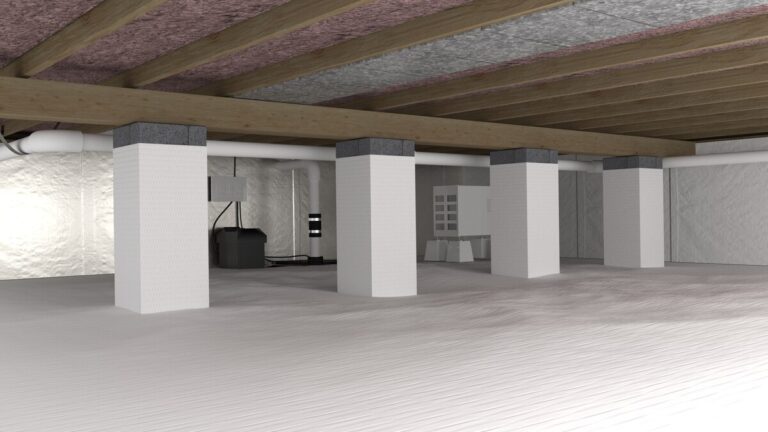
If you’ve got sagging floors or bouncy boards, we get under there and fix them. We reinforce joists, replace rotted beams, and install Adjust-A-Piers or Steel T-Brackets that can be tweaked over time if your house shifts again. And yes, it’s all covered by our 5-year warranty.
4. Soil Stabilization
Because harmful dirt makes for bad support
Texas clay isn’t known for being reliable. So when needed, unstable soil around your foundation can be stabilized to reduce swelling, shrinking, and shifting. It’s not glamorous work, but it’s the stuff that makes stabilization last.
5. Drainage Solutions
Because water is the enemy of stability
We don’t just patch the damage, we go after what’s causing it. At Quality Foundation Repair, that means offering French drains to move water away from your home’s foundation. When soil stays dry, it stays stable, and every solid foundation starts with proper drainage.
Why Foundations Become Unstable
Foundations don’t just fail out of nowhere. They’re pushed, pulled, soaked, and dried out, usually by the very ground they’re built on. If you live in Austin or anywhere in Central Texas, your home’s biggest threat might be right beneath your feet.
Here’s what causes foundation movement and instability around here:
- Expansive Clay Soil: Central Texas soil is like a sponge with an attitude. It swells when it’s wet and shrinks when it’s dry, putting your foundation through a nonstop cycle of pressure and release. That movement? It’s what cracks walls, shifts floors, and makes your house feel like it’s on the move.
- Improper Drainage: Water is supposed to flow away from your house, not gather around it like a moat. Poor drainage lets moisture soak into the soil near your foundation, weakening its support and speeding up erosion. Over time, that soft ground can’t hold your home in place.
- Tree Roots: Trees are great for shade, not so great for stability. Big, thirsty root systems go searching for water, and they often find it under your foundation. As they grow, they can push into concrete, lift footings, or dry out the soil below.
- Poor Soil Compaction: Sometimes the problem starts before the house is even built. If the builder didn’t properly compact the soil, that dirt can settle unevenly once your home is sitting on top of it. The result? Cracks, shifting, and more calls to the repair guy.
- Plumbing Leaks: Out of sight, out of mind, until you’ve got a problem. Leaky pipes under slabs or in crawl spaces can quietly erode the soil around your foundation. The damage creeps in slowly, but it can undermine your entire home if left unchecked.
Why Foundation Stabilization Is a Smart Investment
Here’s the ugly truth: foundation problems don’t fix themselves; they get worse, more expensive, and a whole lot more stressful the longer you wait.
Ignore the signs, and you’re looking at:
❌ Major structural damage that costs a fortune to repair
❌ Floors so unlevel they’re practically a trip hazard
❌ Cracks that scare off homebuyers and appraisers
❌ Mold, rot, and pest infestations that move in before you move out
But with foundation stabilization, you’re not just fixing what’s wrong, you’re investing in what’s right.
✔ A stronger, more stable structure
✔ Doors that close, floors that don’t slope, and walls that stay put
✔ A cleaner home inspection and higher resale value
✔ Peace of mind knowing your house is built to last
Foundation repair isn’t glamorous, but it’s one of the smartest moves you can make as a Texas homeowner. Because when your foundation is solid, everything else falls into place.
Foundation Stabilization vs. Foundation Leveling: What’s the Difference?
Many homeowners hear “foundation repair” and assume it’s all the same. But here’s the deal: stabilizing a foundation and leveling it aren’t the same job. They work together, but they do different things. And knowing the difference could save you from choosing the wrong fix.
Foundation Stabilization
This is the first line of defense. Foundation stabilization means stopping the movement, locking your foundation in place to prevent foundation failure or damage. We use systems like push piers, helical piers, or soil stabilization to reinforce weak ground and support your structure.
But here’s the kicker: stabilization doesn’t always mean things will be perfectly level again. It’s about preventing future damage, not rolling back the clock.
✔ Stops ongoing foundation settlement
✔ Reinforces weak or shifting soil
✔ Keeps your home safe, even if it’s not perfectly flat
Foundation Leveling (h3)
Now this is where we lift and adjust. If parts of your home have already sunk, foundation leveling brings them back to where they’re supposed to be, or at least as close as the structure allows. It’s often done during stabilization, but only if the home can safely handle the lift.
✔ Lifts your home to its original position (within reason)
✔ Used with pier systems on slab or pier & beam homes
✔ Gives you back level floors and aligned doors
At Quality Foundation Repair, we shoot for what’s called the maximum practical level, which means we’ll raise your home as much as possible without causing new damage. Sometimes that means nearly perfect. Sometimes it means just enough to stop the problem in its tracks.
Either way, you’re getting a safer, more stable home. And that’s what matters.
Ready to Stop Foundation Movement?
Cracks don’t fix themselves. Floors don’t level out overnight. And foundation problems? They only get more expensive the longer you wait.
At Quality Foundation Repair, we don’t do guesswork; we do honest inspections, expert foundation strengthening solutions, and settlement repairs that hold up for the long haul. If your home’s showing signs of foundation sinking or movement, now’s the time to act.
Give us a call to schedule your free foundation inspection.