You don’t need to be an engineer to know your home needs a strong foundation. But here’s what most homeowners miss: the strength of your foundation depends on the soil beneath it. The problem may not be your foundation itself… it might be what it’s sitting on.
If that soil is soft, loose, or constantly shifting, no amount of concrete or steel can keep your house level for long. That’s where soil stabilization comes in. In this article, we’ll break down how soil stabilization works, why it’s a game-changer in foundation repair, and what it means for the long-term health of your home.
Stick around, you’ll never look at the ground beneath your feet the same way again.
The Hidden Problem: Weak Soil = Weak Home
 Imagine building a table with one leg resting on soft clay and the other three on firm concrete. As time goes on, that clay leg starts to sink while the rest stay put, causing the whole table to tilt. The same sort of thing happens under homes when the soil beneath isn’t up to the job.
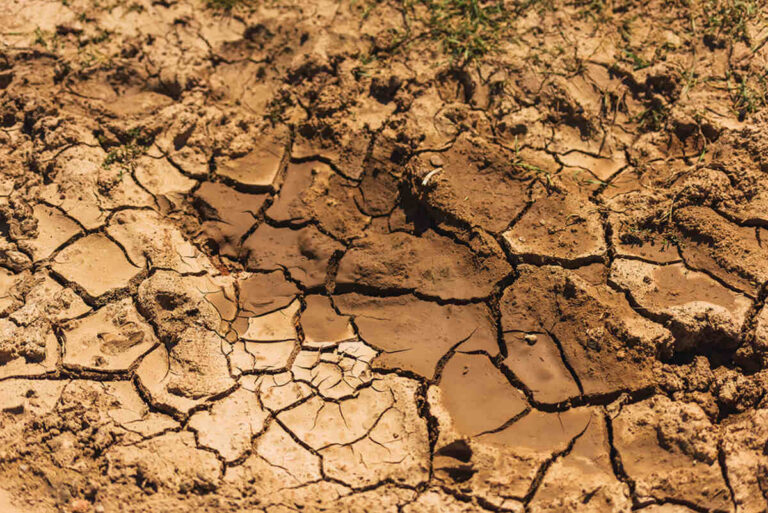
In places like Austin, Texas, homes face soil problems, such as expansive clay that swells in wet weather and shrinks in dry weather. Expansive soils are a well-known geologic hazard in residential homes, especially when foundations aren’t built to handle the soil’s natural movement. When soil is poorly compacted, erodes, or lacks support, the foundation above may settle unevenly. Eventually, your home will show signs of trouble that often start under the surface.
So, even before the cracks show up in walls, you’ve got a ground‑condition problem. That’s the “unaware” stage for many homeowners, they don’t think about the soil. They think about floors, drywall, and paint. But the foundation’s condition is rooted in the ground beneath.
The Solution: Soil Stabilization
So, what do you do when the ground beneath your home can’t be trusted to hold its shape? You stabilize it.
According to the U.S. Federal Highway Administration, soil stabilization involves modifying soil properties, like density, moisture, and strength, to improve its overall performance and stability. It’s how we stop future foundation problems before they start. By reinforcing the ground, we reduce settlement, increase load-bearing strength, and create the stable conditions your foundation needs to last.
Here’s how it works, depending on your soil type and the issues at hand, one or more of the following methods may be used:
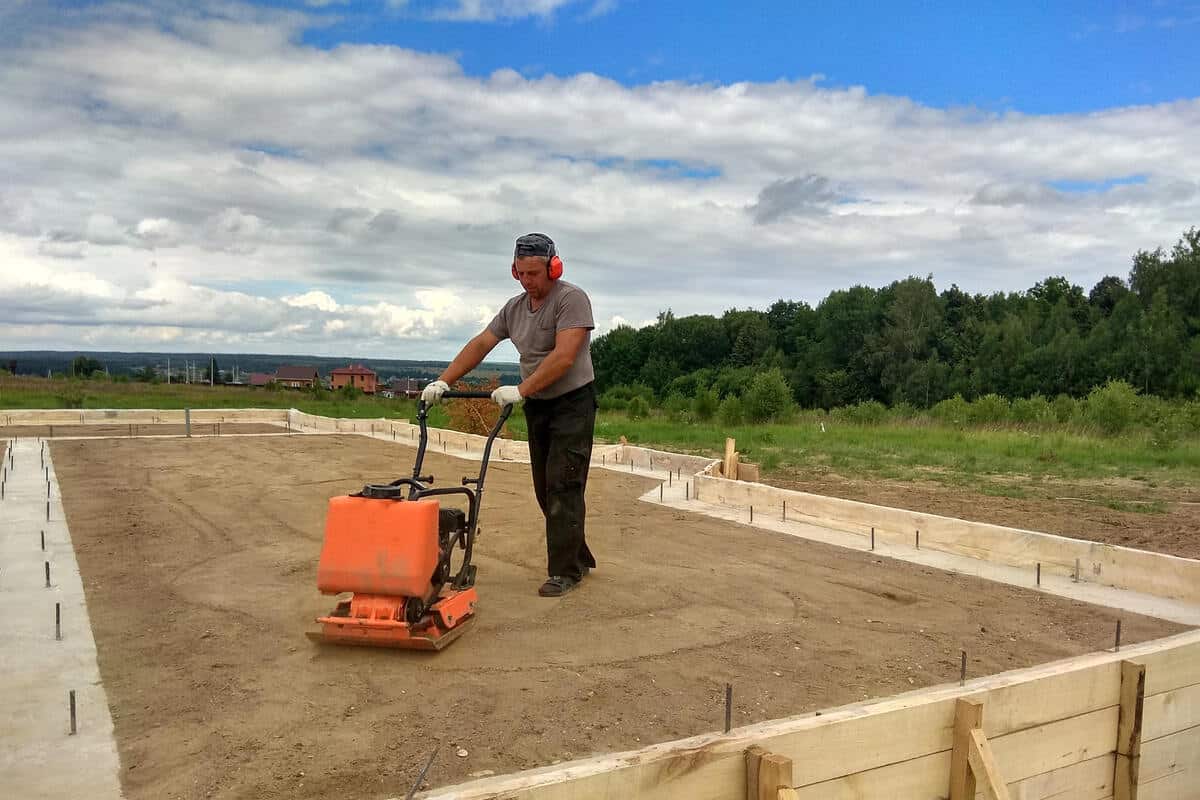
- Soil Compaction: This involves compacting loose or airy soil until it’s tightly packed. Reducing empty spaces in the ground makes it far less likely to sink or shift later on.
- Mechanical Stabilization: Think of this as “mixing in muscle.” We add materials such as gravel, rock, or geogrids to reinforce the soil’s structure and help it withstand pressure.
- Chemical Stabilization: Using additives like lime, cement, or polymers, we bind the soil particles together. This makes the soil stronger and less sensitive to water, especially important with clay-heavy soils.
- Biological Stabilization (emerging method): In some cases, vegetation and natural root systems reduce erosion, but they’re not recommended near foundations. Biopolymers can also be added to improve strength. While not common in residential foundation repair, it shows the growing innovation in ground improvement techniques.
When soil stabilization is part of your foundation repair plan, you’re not just covering up cracks, you’re treating the root cause. This is the turning point for many homeowners: the moment you move from reacting to problems… to solving them for good.
Supporting the Soil: Other Foundation Repair Methods That Work Hand-in-Hand
While soil stabilization strengthens the ground beneath your home, it often works best when paired with other proven foundation stabilization methods. Think of it like this: stabilizing the soil sets the stage, but it’s the rest of the system, piers, jacks, and drainage, that ensures your foundation stays strong, level, and dry for years to come.
Here are some key solutions we use alongside soil stabilization:
Adjust-A-Pier
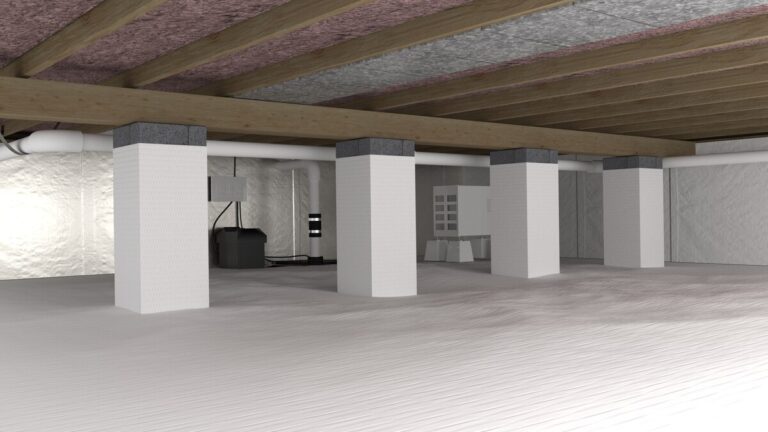
In pier-and-beam homes, we often install structural supports like adjustable steel jacks. These jacks sit beneath your home and allow our team to fine-tune the height and level of your foundation, beneficial when seasonal soil movement causes shifting over time.
Because it can be adjusted over time, this system adds long-term flexibility and protection against future soil changes, especially in expansive clay areas like Austin.
Foundation Piers
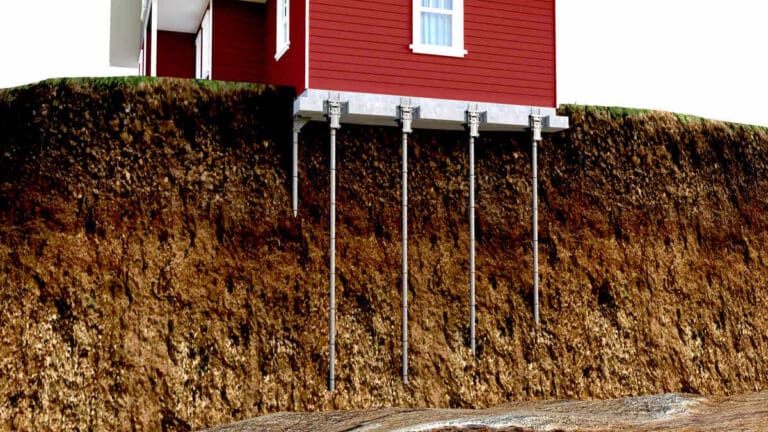
When the soil can’t reliably support your home on its own, we install foundation piers, steel columns driven deep into stable ground, to carry the weight of your home. These piers bypass weak surface soil entirely, transferring the load to deeper, more stable layers.
Drainage Improvements
No soil stabilization or foundation system is complete without proper drainage. Excess water is one of the biggest enemies of your foundation; it softens soil, causes swelling, and leads to erosion under the structure.
To keep water away, you can install:
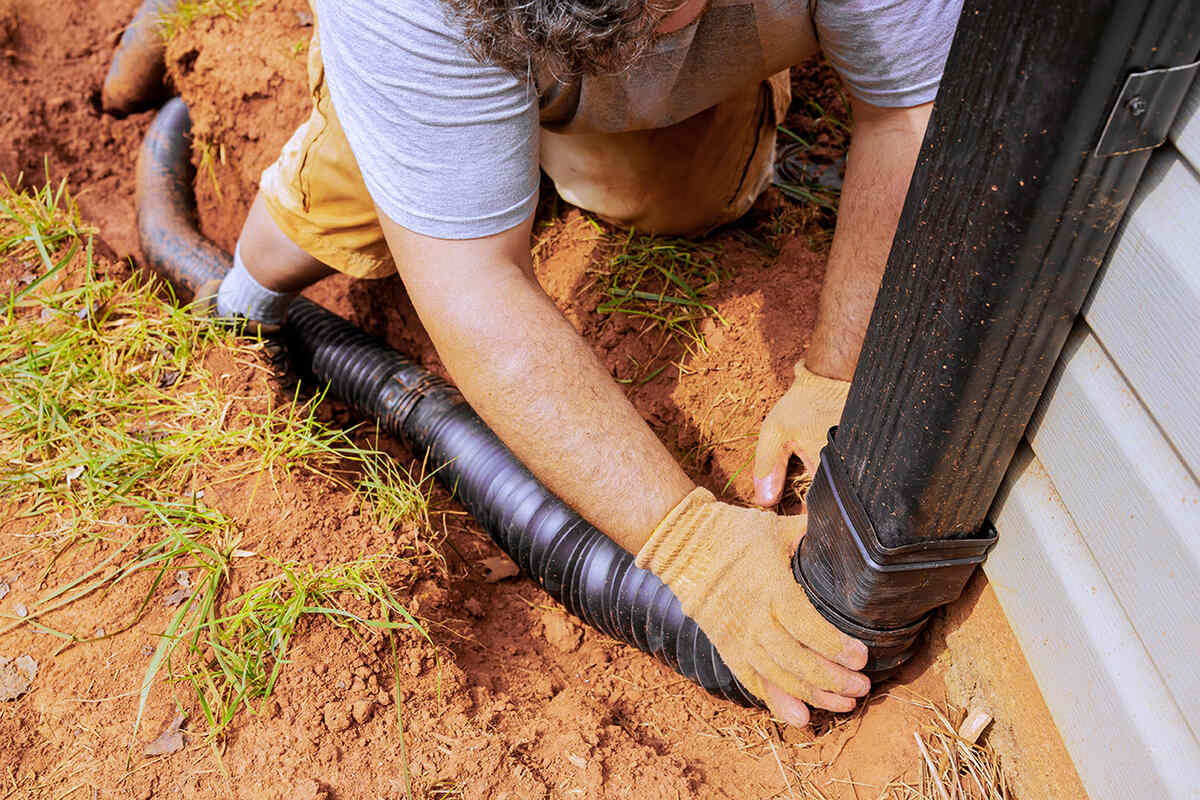
- French drains to redirect groundwater away from your foundation.
- Gutters and downspout extensions to move roof runoff safely away (at least 4-6 feet away from the foundation).
- Surface grading to make sure water naturally drains away from the house.
By controlling moisture, these systems protect the stabilized soil and prevent future foundation issues.
 Benefits of Soil Stabilization: Why It Matters for Foundation Repair
Let’s break down why soil stabilization is a game‑changer for your home’s foundation:
- Reduced Settlement and Movement: When the soil underneath is weak, your foundation may sink or shift. When soil is stabilized, the ground holds up better, so the foundation remains level and stable.
- Improved Load‑Bearing Capacity: A stabilized soil can carry more weight without deforming. That means your foundation, walls, floors, and all those structural systems work as intended.
- Mitigated Moisture & Shrink/Swell Issues: In regions like Austin, clay soils can expand with moisture and shrink when dry. That cyclical movement puts stress on foundations. Soil stabilization helps resist those volume changes.
- Longer‑Term Results for Foundation Repairs: Foundation repair isn’t just about lifting slabs or replacing piers; it’s about keeping the house stable for years. If the soil beneath remains weak, repairs may “work” initially but fail later. Stabilization bolsters the lasting quality of the repair.
- Better Value & Less Future Maintenance: Fixing the soil means fewer repeat repair calls. A stable ground means fewer surprise cracks, fewer uneven floors, less stress for you.
You Might Be Thinking … ”Do I Really Need This?”
Here are some questions homeowners often ask:
Isn’t stabilization just for new builds?
Nope. Even existing homes with foundation issues can benefit from stabilization. In fact, it’s often more critical in repair situations because the soil has already shown signs of movement.
Is soil stabilization “overkill” for my house?
It depends on your soil, the age of the home, and the symptoms you’re seeing. If you notice uneven floors, cracks, doors and windows sticking, you’re in “pay now or pay worse later” territory.
Will stabilization stop all future foundation problems?
It won’t make your home invincible (nothing does). But when done correctly, stabilization dramatically lowers the risk of future settlement or soil‑shift problems beneath your foundation.
Does this cost more?
Initially, yes, it adds cost compared to “repair only what you see.” But in the long run, it saves money by preventing repeat fixes and protecting your home’s value.
Signs You Should Call Us Now
If you’re noticing any of the following, it’s time to schedule a professional inspection:
- Doors or windows that suddenly stick or won’t close properly
- Floors that feel uneven, bouncy, or sloped
- Cracks forming or spreading in walls, especially diagonal ones near corners
- Visible cracks in the foundation or brick exterior
- A crawl space or slab that looks like it’s shifting or settling
Here’s the bottom line: The ground beneath your home matters. A sound foundation isn’t just about pilings or concrete slabs, it’s about the soil that supports everything. When that soil can’t do its job, your foundation starts to show instability.
Ready to give your home what it deserves: a stable foundation built on solid ground? Call us today for a free estimate and let us show you how we can help you protect your investment, improve your comfort, and give you peace of mind.