Your Home’s on a Pier Foundation—Here’s Why That Matters
Pier and beam foundations (or post and pier systems) have been holding up homes for generations. They’re especially common in older homes, historic districts, and places like Central Texas where soil can shift faster than your neighbor’s lawn chairs in a windstorm.
But no matter how sturdy your foundation started out, time, weather, and soil don’t play nice forever. Eventually, even the best-built pier foundation can show signs it needs repair.
And when it does? Your house starts whispering—and sometimes yelling—for help.
Why Pier Foundations Fail Over Time
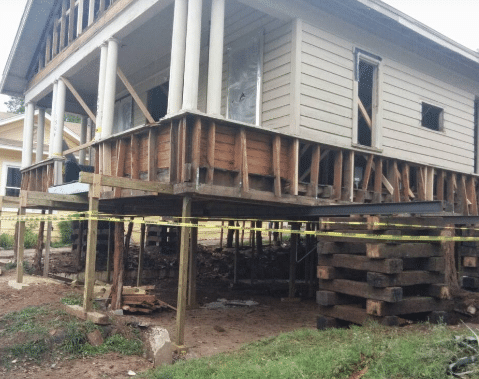
Let’s not beat around the bush. Your pier foundation is under constant stress:
- Shifting soil expands and contracts with Texas weather
- Moisture intrusion rots wooden beams and piers
- Improper drainage weakens the ground around your footings
- Poor original design (yes, even builders get it wrong sometimes)
- Time itself — wood settles, concrete cracks, and life happens
The good news? You don’t have to guess. Your house will tell you exactly when something’s wrong—if you know what to look for.
For more information, see Crawl Space Solutions: Fix Moisture, Structural, and Air Quality Problems.
Top Signs Your Pier Foundation Needs Repair
Here’s your no-nonsense checklist of red flags that your pier and beam repair might be overdue.
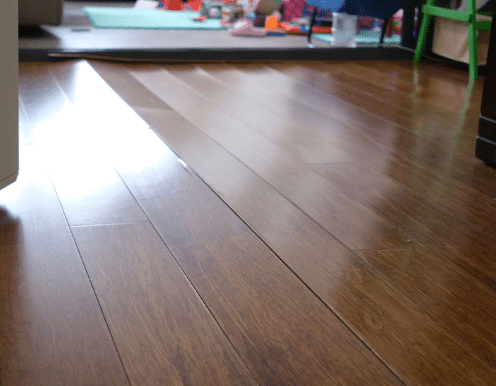
1. Uneven or Sagging Floors
This is one of the first things homeowners notice. You’re walking across your living room and—bam—you hit a soft spot or feel like you’re walking uphill.
That usually means a beam has weakened, or a pier has settled. In a healthy pier footing design, the weight is evenly distributed. But if one pier starts sinking or rotting, the floor above starts shifting.
Pro tip: Take a marble or ball and place it on the floor. If it rolls on its own—you’ve got slope, and slope means trouble.
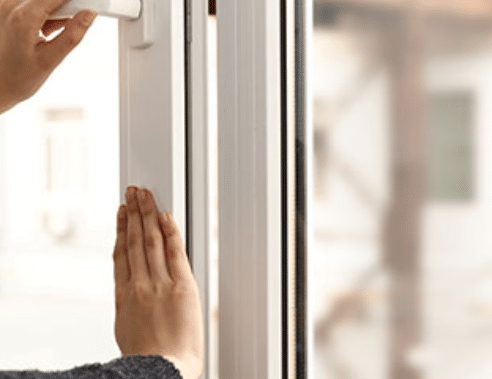
2. Doors and Windows That Stick or Don’t Latch
When your foundation shifts, your walls come along for the ride. That means frames warp, alignment changes, and suddenly that door that worked fine last year needs a shoulder slam to close.
Windows that are hard to open or have gaps around the trim? Another classic sign of movement.
3. Cracks in Interior Walls or Ceilings
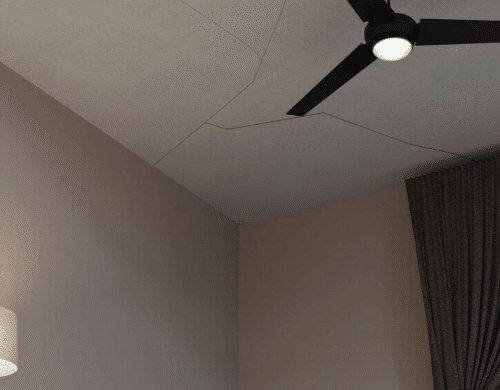
A few hairline cracks in the drywall? Probably nothing to lose sleep over.
But diagonal cracks near doors or windows? Or long horizontal cracks running across the ceiling or corners? That’s your home yelling, “Hey! My frame is twisting!”
4. Musty Smells or Excess Moisture Under the House
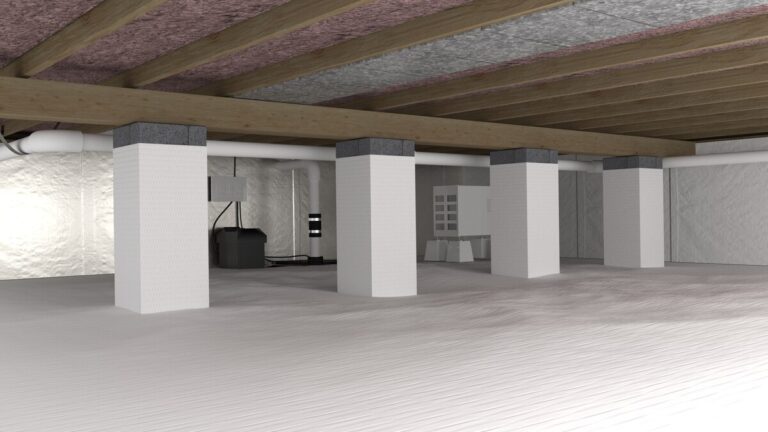
Pier and beam foundations sit above ground, which means there’s a crawl space underneath. That space needs to stay dry and ventilated.
If you smell mold, mildew, or the area under your house feels damp, you may have a drainage issue or pier failure. Moisture can weaken support beams, rot wood, and attract pests—none of which ends well.
5. Bouncing or “Spongy” Floors
If walking through your hallway feels more like a trampoline than a floor, that’s a bad sign.
This usually means the piers under your home aren’t providing the support they should. Either they’ve shifted or the beams have started to bow or rot.
6. Visible Gaps Between the Wall and Floor
This one’s easy to spot: your baseboards have gaps, or your floors look like they’re pulling away from the walls.
That’s not settling—it’s foundation movement. It usually means a section of your shallow pier foundation is sinking, and the house is trying to adjust.
7. Exterior Cracks or Leaning Porches
It’s not just what’s going on inside. Step outside and take a good look at your exterior:
- Cracks in brick or siding?
- Gaps between steps and the porch?
- Porch leaning away from the house?
All signs that the foundation piers installation is compromised and needs repair or reinforcement.
Common Causes of Pier Foundation Damage
Let’s get into why this happens in the first place—because understanding the “why” helps us fix the “what.”
Soil Movement
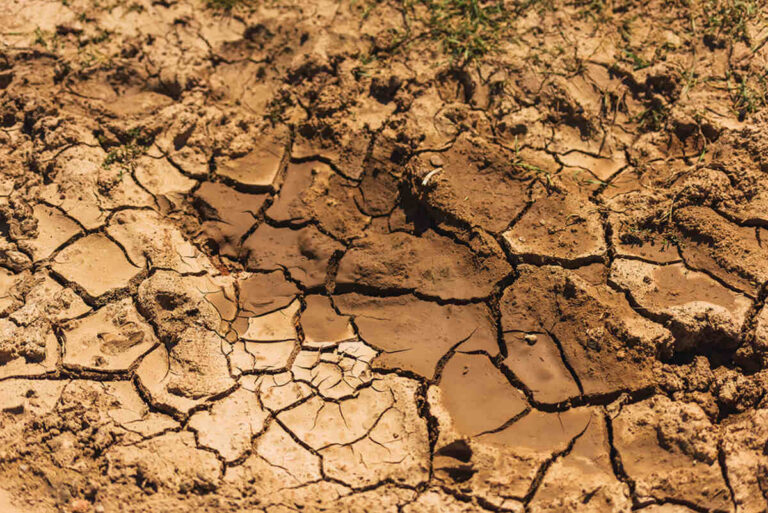
Texas is famous (or infamous) for its expansive clay soils. These shrink in dry weather and swell when it rains, putting constant pressure on your foundation system.
Poor Drainage
Without proper grading and drainage, water pools around your piers, soaking into the ground and eroding the stability underneath.
Pest Damage
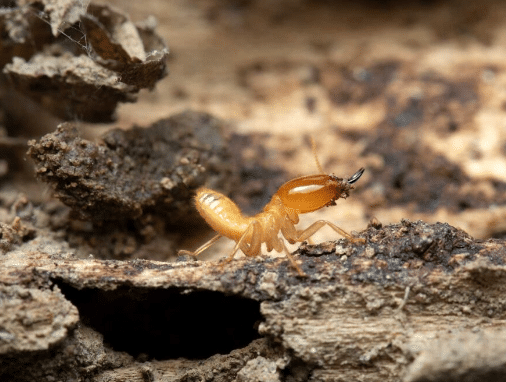
Termites and carpenter ants love moist, rotting wood. If your support beams or wood piers are compromised, your foundation will shift faster than you can say “exterminator.”
Old Materials or Design
Older homes often have post and pier systems built with untreated lumber or outdated pier footing designs. Over time, they simply degrade or become overwhelmed by modern weight loads.
How We Fix It: The Quality Foundation Repair Approach
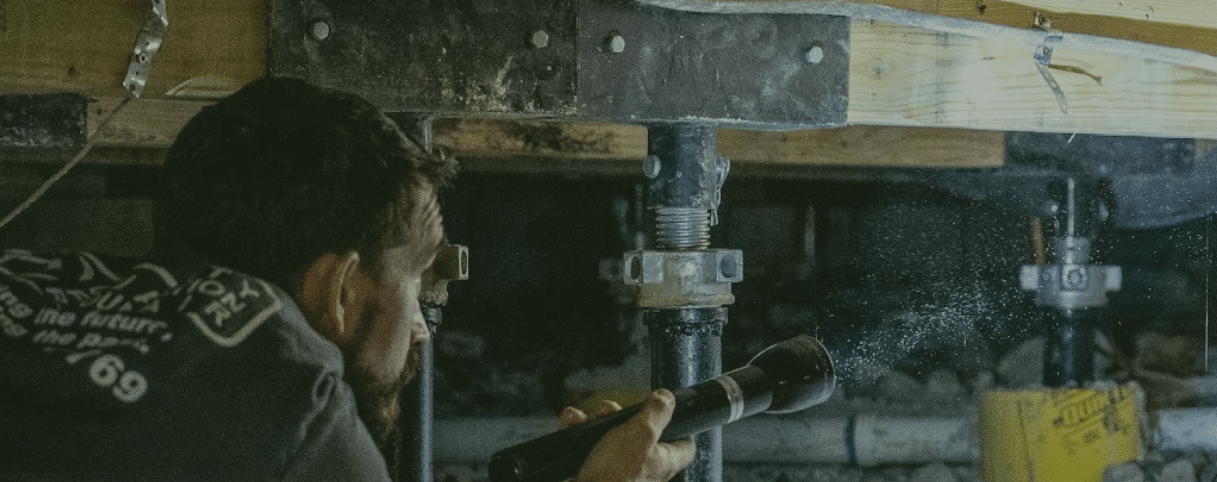
When we’re called out for a pier foundation repair, we don’t guess. We inspect. We dig. We measure. Then we fix it right.
Here’s how:
Pier Replacement or Addition
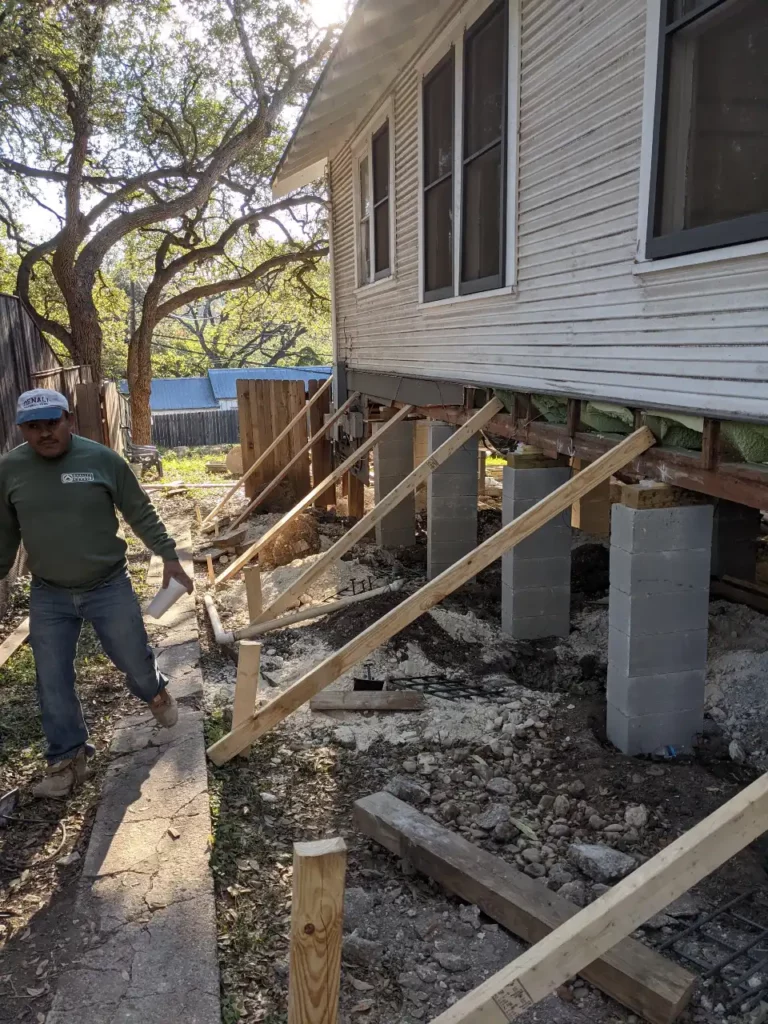
We remove old, damaged piers and install new ones—strategically placed to support the weight where it’s needed. We use steel T-bracket piers and Adjust-A-Piers that can be re-leveled in the future if the home shifts again.
Bonus: Our pier and beam repair system includes a 5-year warranty and maintenance plan. We’re not just fixing—we’re partnering long-term.
Steel Pier Installation & Helical Piers
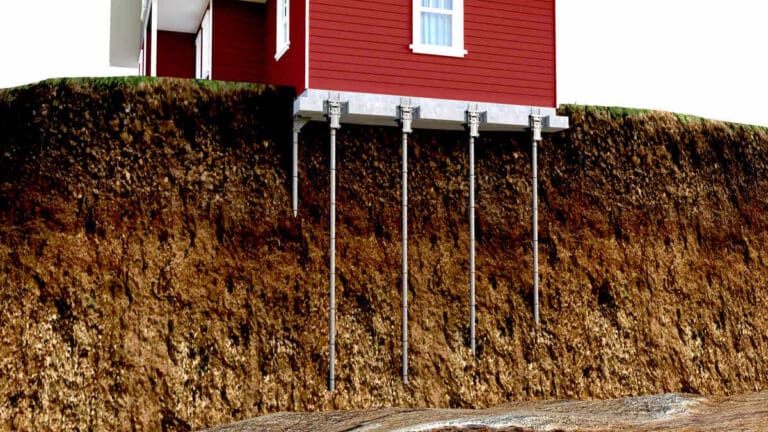
For deeper or more severe settlement, we may recommend steel push piers or helical piers—spiral-shaped supports that drill deep into stable soil.
These are rock-solid solutions for long-term stability, especially if the soil under your home just won’t stay still.
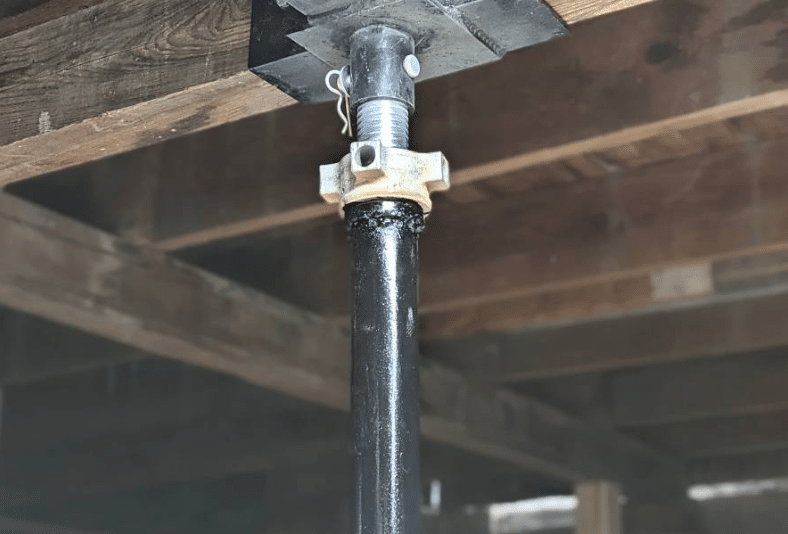
House Leveling Piers
Once we’ve stabilized the foundation, we bring your home back to level—the maximum practical level, based on what the structure allows. Our crew knows how to raise with care, avoiding unnecessary stress or damage.
Drainage Correction & Crawl Space Work
Fixing the foundation isn’t enough if water keeps coming back. We often install french drains, vapor barriers, or improve ventilation to keep your crawl space dry and your foundation healthy.
For more information, see Crawl Space Support Posts: What They Are and When You Need Them.
When Should You Call a Pro?
If you notice two or more signs on this list, don’t wait. Foundation issues get worse, not better, over time.
And in our Central Texas climate, things can go from “minor slope” to “major mess” in just one rainy season.
What to Expect from a Free Inspection
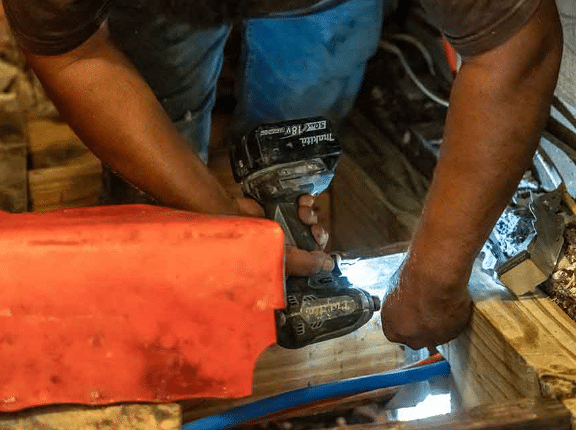
At Quality Foundation Repair, we don’t just look—we explain. We’ll walk you through:
- Which piers (if any) have failed
- What kind of support your home actually needs
- Whether steel pier installation or helical piers make sense
- How long the repair will take
- What it’ll cost—and how our warranty protects your home long-term
You get answers, not pressure. That’s our promise.
Stop Guessing—Start Solving
If your house is sending warning signs, your pier foundation is trying to tell you something. Let’s listen—and fix it the right way.
Schedule Your Free Foundation Inspection Today
Whether you need pier and beam repair, house leveling piers, or a complete foundation piers installation, we’ve got your back (and your home’s bottom).