

Soil Stabilization
Central Texas's expansive clay soil is the leading cause of foundation movement in the area. Soil stabilization treats the soil itself so it swells and shrinks less through wet and dry cycles. QFR scopes and manages it as part of a foundation repair plan, performed by a specialist partner we work with, alongside the pier work our own crews install.
- Licensed & insured
- Free on-site inspections
How Central Texas Soil Moves a Foundation
Most foundation movement in Central Texas traces back to the soil underneath it: expansive clay that swells when wet and shrinks when dry. A repair that doesn't account for that movement is working against it.
Soil stabilization treats the soil itself so it moves less through those cycles. QFR scopes it as part of your repair plan and manages a specialist partner who performs the soil work; where the foundation has already settled, our own crews pair it with steel push piers or Adjust-A-Piers driven to soil that doesn't move.
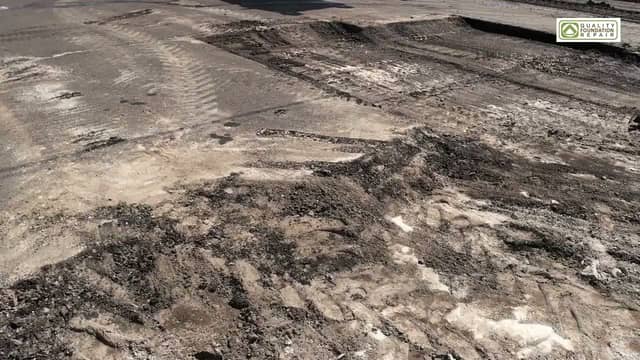
The soil is treated by injection rather than excavation. A soil stabilizer is injected in two passes, every 3 to 4 feet around the perimeter of the foundation, to a depth of 10 feet or until the injection reaches material it cannot penetrate. Water must be available on site through a hose bib.
QFR guarantees to lower the potential vertical rise, which is how far the soil under the foundation could push upward as it takes on water, to 1 inch or less, or the soil's swell to 1 percent or less. That guarantee applies only when a geotechnical engineer has tested the soil after the injections are complete. A geotechnical laboratory test is available on request.
How Moisture Causes Foundation Movement


Related to what you are reading. Our team covers the same ground on camera.
What to Expect, Start to Finish
A clear path from first look to finished repair.
Free Inspection
We evaluate soil, drainage, and moisture sources around the foundation.
Cause Assessment
We confirm expansive clay movement is the driver behind the settlement.
Stabilization Plan
Soil treatment and any pier work are scoped together in one written quote.
Soil Treatment
Our specialist partner injects the soil in two passes, every 3 to 4 feet around the foundation, on a schedule QFR manages.
Verification
Foundation levels are rechecked and drainage recommendations provided. The guarantee requires a geotechnical engineer's test after the injections.
Foundation Repair Solutions
Methods used to stabilize and repair foundation problems based on the cause.
Foundation Underpinning
Underpinning stabilizes foundations by transferring the load to deeper, more stable soil layers and bedrock, using QFR's steel push pier or Adjust-A-Pier systems depending on foundation type.
Deep Foundation Systems
A deep foundation system carries a structure's weight past the reactive surface soil to strata that does not move. At QFR that system is our in house manufactured steel push pier, driven hydraulically to load bearing strata.
Push Piers
QFR's in-house manufactured steel push piers are driven hydraulically to load-bearing strata to stabilize and lift settled slab foundations.
Slab Piers
Slab piers support and stabilize sunken concrete slabs, particularly useful in commercial settings with larger slab spans.
Micro Piles
Micro piles is the name we use for our own steel push piers when access is tight: crawl spaces, interior openings, or a narrow side yard. Same in house manufactured pier, same load bearing depth, installed with compact hydraulic equipment.
Soil Stabilization and Central Texas Clay
Austin's expansive Blackland clay shrinks in dry summers and swells after rain, cycling in volume with every wet and dry season. Homes built on this clay can experience ongoing movement as the soil expands and contracts. Where that movement shows up depends on the home and foundation type.
Get a free estimate"We install steel piers down to resistance, which around here is usually bedrock. Average pier depth is 16 feet."

Why Choose Quality Foundation Repair Austin
Frequently Asked Questions
Related Services

Foundation Crack Repair
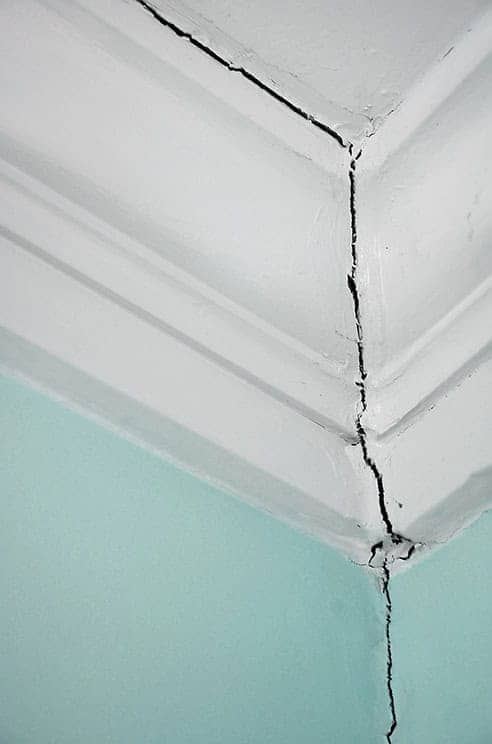
Cracks can be a sign of foundation movement. We identify what's causing the movement and recommend the repair needed to stabilize the foundation.
Learn more
Slab Foundation Repair
QFR uses steel push piers to stabilize settling slab foundations and help prevent further movement.
Learn more
Commercial/Industrial Foundation Repair
We stabilize commercial and industrial foundations with repair plans designed for the structure, site conditions, and load requirements.
Learn more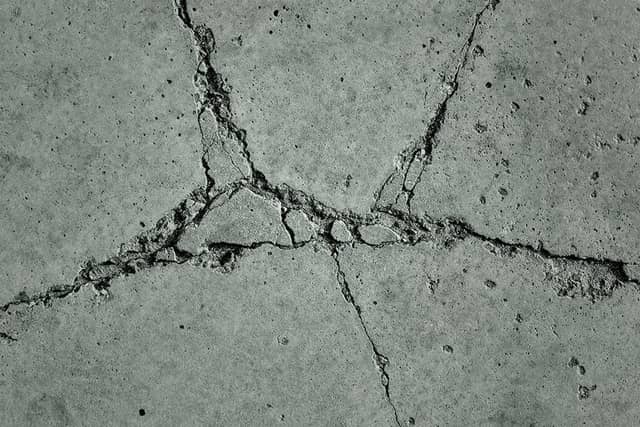
Slab Foundation
Slab foundations move differently than pier and beam homes. QFR stabilizes slab foundations exclusively with in-house manufactured steel push piers, driven to load-bearing strata to address cracking and settlement.
Learn more
Pier and Beam Foundation Repair
QFR uses Adjust-A-Piers to stabilize pier and beam foundations and level them to their maximum practical level. The system can be adjusted again if the foundation moves in the future.
Learn more
New Construction
QFR works with builders to plan and support new foundations for Central Texas soil conditions, including pier and beam homes, additions, and slab foundations.
Learn more
House Leveling
We correct uneven or sloping floors by stabilizing and adjusting the foundation to its maximum practical level, whether the home has a slab or pier and beam foundation.
Learn more
Foundation Inspection
We evaluate signs of foundation movement, drainage conditions, and foundation type to identify the cause of the problem and recommend the right next step.
Learn moreAreas We Serve
Proudly serving homeowners across Central Texas.
Service Areas (all 54 cities)4.9 Across 616 Reviews
Central Texas homeowners rate us on Google. Here's what backs that rating up.
Get Your Free Estimate
Tell us what you're seeing. An Austin specialist will reach out to schedule your on-site inspection.
- Free, thorough on-site inspection
- Clear written plan and upfront price
- Insured, with a written warranty on pier repairs
Thanks!
Your free estimate request is in. We'll reach out to schedule your inspection.
Prefer to talk now? Call usSomething Went Wrong
We couldn't send your request. Please call us instead, we're glad to help.
Call (737) 260-7340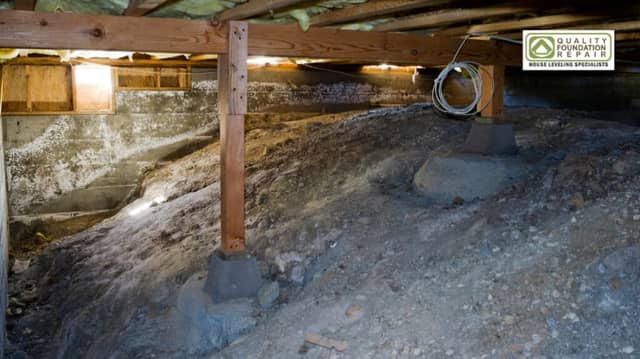
Get a Free Foundation Repair Estimate
Free inspection, written estimate, honest triage, no pressure.