How to Fix Sagging Floor Joists and Restore Stability
Uneven floors, creaky boards, or doors that don't close can mean sagging floor joists. Here are the causes, warning signs, and the repair solutions.

If you've noticed uneven floors, creaky boards, or doors that don't close properly, sagging floor joists could be the culprit. Over time, weak support, moisture damage, or foundation issues can cause joists to bend and compromise your home's structural integrity. Ignoring the problem can lead to bigger, costlier repairs down the line.
In this guide, we'll explain the causes of sagging floor joists, how to spot early warning signs, and the foundation repair solutions available, from simple DIY fixes to professional reinforcement.
What Causes Sagging Floor Joists?
A solid floor depends on strong, well-supported joists. When these beams weaken, floors can dip, bounce, or feel unsteady. Here are the most common reasons floor joists lose their strength:
- Poor support or inadequate joist spacing: Joists installed too far apart or without enough reinforcement can bow under pressure, especially in older homes.
- Water damage or high humidity: Water seeping into your crawl space can cause rotting wood, mold, and weakened beams, and high humidity can cause wood to expand and soften.
- Termite or pest damage: Wood-destroying pests can silently eat away at joists. Regular foundation inspections help catch infestations early.
- Foundation settlement: A shifting foundation puts uneven pressure on joists, pulling them out of place.
- Heavy loads exceeding joist capacity: Heavy furniture, appliances, or renovations can add more stress than joists can handle.
Signs of Sagging Floor Joists and Uneven Floors
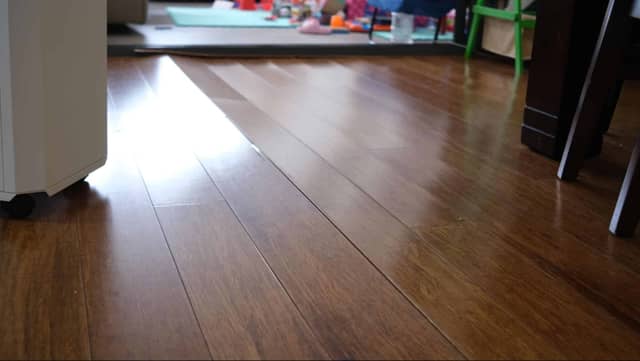
- Noticeable dips or uneven sections in the floor.
- Doors and windows sticking or misaligning as the structure shifts.
- Cracks in walls or ceilings near floors, especially diagonal cracks near doorways.
- Squeaky, bouncy, or shifting floors when walked on.
How to Fix Sagging Floor Joists?
Fixing sagging floor joists requires more than temporary reinforcements; addressing the root cause is essential for long-term stability.
- Sistering joists for added strength: attaching a new, solid joist alongside the existing one to redistribute weight and restore integrity.
- Adding additional support beams: installing extra beams beneath sagging areas to distribute weight more evenly, useful in older homes.
- Pier and beam foundation adjustments: replacing or reinforcing shifted or deteriorated piers to restore alignment.
- Adjust-A-Pier systems: reinforcement systems that provide long-term stability and even weight distribution across the foundation.
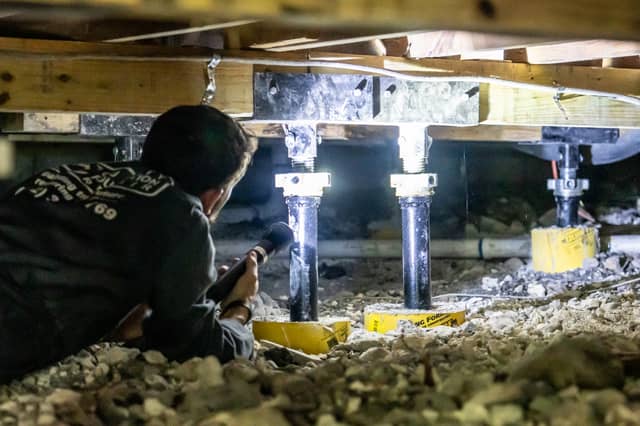
- Jack posts for floor leveling: adjustable posts on concrete footings that lift and support sagging joists and help prevent future movement.
- Crawl space reinforcements: vapor barriers, drainage improvements, and additional support beams where moisture or poor drainage is a factor.
- Slab foundation leveling: where the sagging is due to foundation settlement, concrete or steel push piers can lift and stabilize the foundation.
Preventing Future Sagging in Floor Joists
- Schedule regular foundation inspections to catch early signs of weakening, shifting, or moisture damage.
- Maintain proper humidity levels with a vapor barrier, improved drainage, and a dehumidifier.
- Distribute weight evenly across floors to avoid overloading specific areas.
- Install high-quality, adjustable piers, which allow future adjustments if minor settling occurs.
Restore Stability to Your Home Today
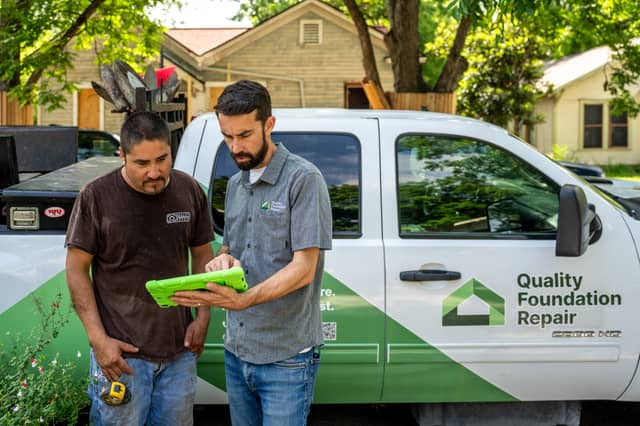
If left unaddressed, sagging floor joists can lead to uneven floors, structural strain, and costly repairs. Whether the issue stems from weakened wood, foundation settlement, or poor support, solutions like sistering joists, adding support beams, and installing adjustable piers can restore your home's stability. At Quality Foundation Repair, we specialize in house leveling and foundation repair, with results backed by our warranties. Contact Quality Foundation Repair for a free inspection and expert evaluation.

Written by
Quality Foundation Repair Austin
Simon is the primary point of contact behind Quality Foundation Repair Austin's homeowner content. His articles cover foundation repair, house leveling, crawl space issues, and how Central Texas soil affects the ground homes are built on, the same diagnose-first approach the company brings to every on-site inspection.
More about Simon