

Sagging Floors From Foundation Movement
Floors that droop or sag, especially in the middle, are often caused by foundation settlement or failing support posts in pier and beam homes.
- Licensed & insured
- Warranty-backed
- Free on-site inspections
Sagging Floors From Foundation Movement: Diagnosed and Explained
In Central Texas, the cause is usually one of two things: expansive Blackland clay swelling and shrinking under the home with every wet-dry cycle, or the moisture and drainage conditions that come with it. The specific pattern and location of what you're seeing is what tells us which one it is.
Signs the Problem Is More Than Cosmetic

A Visible Dip or Low Spot in the Middle of a Room
Often easiest to spot by sighting along the baseboards from one wall to another.
The Floor Feels Soft or Springs Back When Walked On
A springy feel suggests a support issue directly beneath, not just a surface problem.
The Sag Has Gotten More Noticeable Over Recent Months
Ongoing worsening points to active movement rather than an old, stable condition.
What Causes This Problem?
Not every instance is foundation-related, but in Central Texas, it usually is. Here's what we rule in or out on inspection.
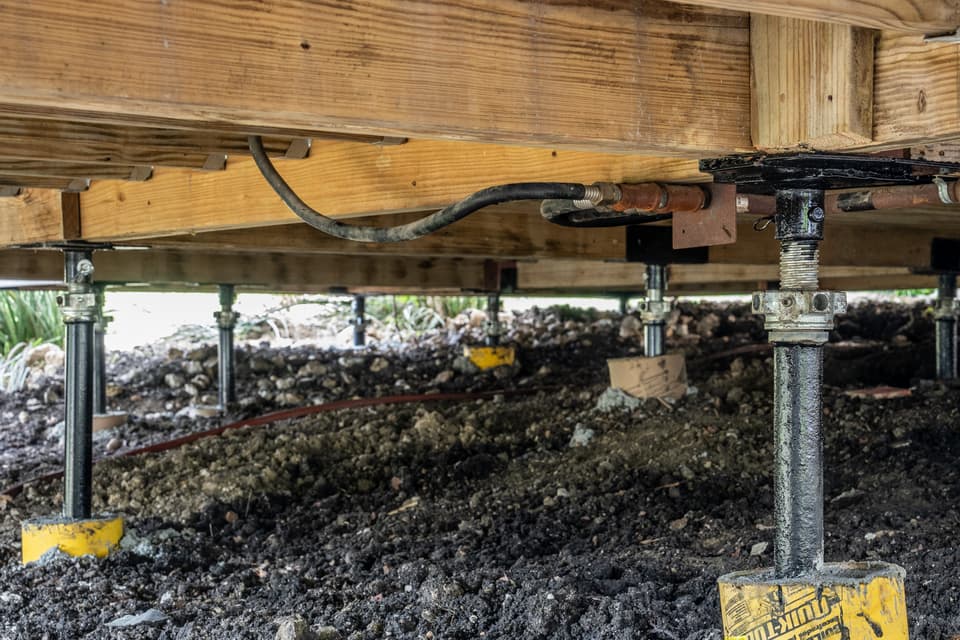
Failing Support Posts
Foundation Settlement
Moisture-Weakened Framing
Check Your Address for Soil and Flood Risk Factors
See the USDA soil data and FEMA flood zone for your exact Austin area parcel. No email required.
How QFR Addresses This
Push Piers
QFR's in-house manufactured steel push piers are driven hydraulically to load-bearing strata to stabilize and lift settled slab foundations.
Foundation Underpinning
Underpinning stabilizes foundations by transferring the load to deeper, more stable soil layers and bedrock, using QFR's steel push pier or Adjust-A-Pier systems depending on foundation type.
Foundation Inspection
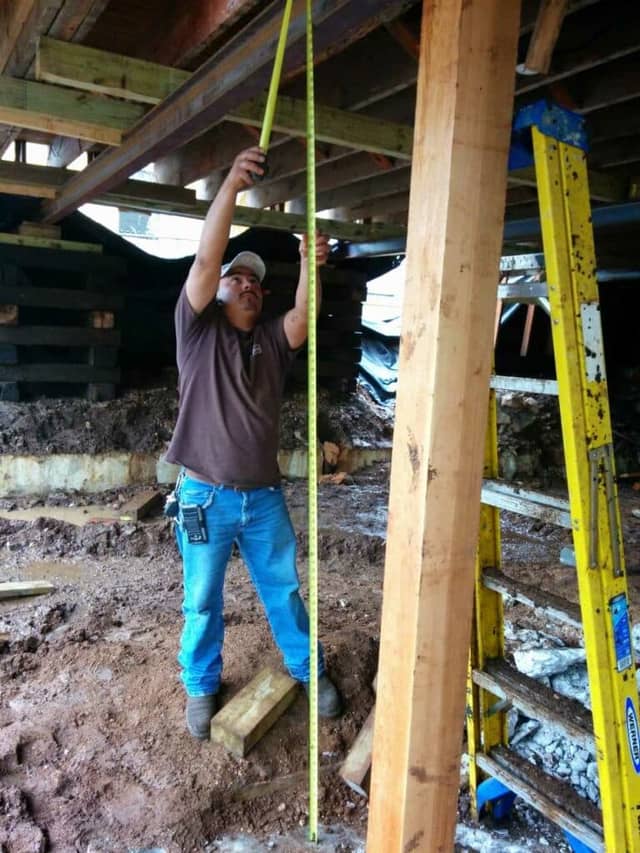
We evaluate signs of foundation movement, drainage conditions, and foundation type to identify the cause of the problem and recommend the right next step.
Sagging Floors From Foundation Movement and Central Texas Clay
Austin's expansive Blackland clay shrinks in dry summers and swells after rain, cycling in volume with every wet and dry season. Homes built on this clay can experience ongoing movement as the soil expands and contracts. Where that movement shows up depends on the home and foundation type.
Get a free estimate"It's the diagonal cracks in the brick and the mortar stair steps that really say that there's a serious foundation issue."

Why Choose Quality Foundation Repair Austin
Frequently Asked Questions
Areas We Serve
Proudly serving homeowners across Central Texas.
Service Areas (all 54 cities)What to Expect
Free Inspection
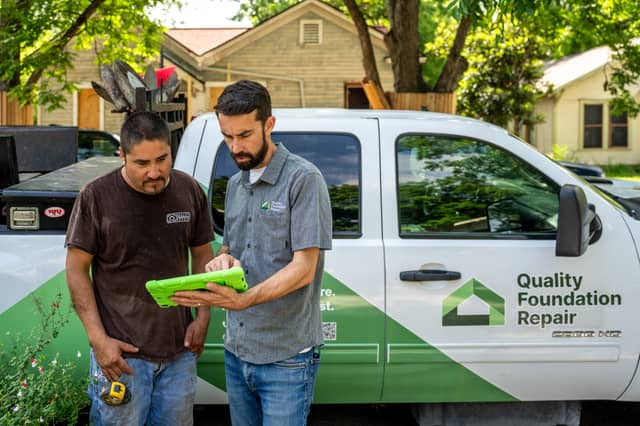
A specialist from our own crew visits your home, evaluates the foundation, and explains what we find. Free for homeowners, no obligation.
Written Estimate
You get a clear written plan with the repair that fits the problem, explained before any work begins.
Repair to Maximum Practical Level
Steel push piers or Adjust-A-Piers are installed, the foundation is stabilized to its maximum practical level, and the warranty that applies to your job is stated in writing on the estimate.
4.9 Across 616 Reviews
Central Texas homeowners rate us on Google. Here's what backs that rating up.
Get Your Free Estimate
Tell us what you're seeing. An Austin specialist will reach out to schedule your on-site inspection.
- Free, thorough on-site inspection
- Clear written plan and upfront price
- Insured, with a written warranty on pier repairs
Thanks!
Your free estimate request is in. We'll reach out to schedule your inspection.
Prefer to talk now? Call usSomething Went Wrong
We couldn't send your request. Please call us instead, we're glad to help.
Call (737) 260-7340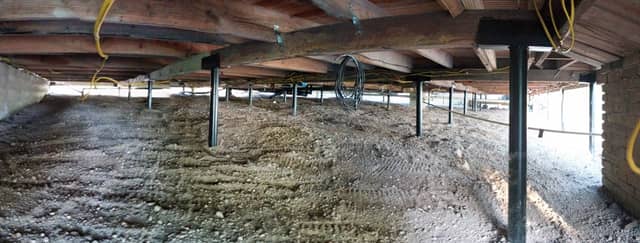
Get a Free Foundation Repair Estimate
Free inspection, written estimate, honest triage, no pressure.