Common Flaws With Pier and Beam Homes
A widespread architectural flaw in pier and beam homes has to do with the location of a scuttle hole. A scuttle hole or a crawl space is needed in order

A widespread architectural flaw in pier and beam homes has to do with the location of a scuttle hole. A scuttle hole or a crawl space is needed in order to get under the house. Unfortunately sometimes scuttle holes are located inside a closet in the home, making it very difficult for easy access. The scuttle hole inside the house must be sealed and an outside scuttlehole installed.
Soil against the perimeter foundation needs to be graded sloping away from the house. If the water is not directed away from the foundation, moisture will accumulate and seep under the house possibly rotting the access door. The door needs to be higher than ground level, and a water barrier installed such as concrete curbing under the door.
Another widespread architectural flaw in pier and beam homes, both old and new, is inadequate cross ventilation. Air must move without restriction under the house to keep it dry and moisture free. If the house does not have appropriate ventilation, condensation will develop, and cause problems with mold, mildew, fungus, and rot. One square foot of cross vent for every 100 square feet under the downstairs area, including porches is standard. Be aware that some builders may install a cross vent with solid wood behind it, thereby, blocking all ventilation at this point.
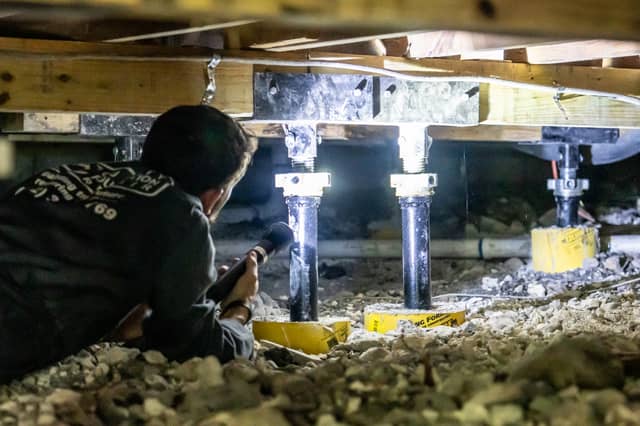
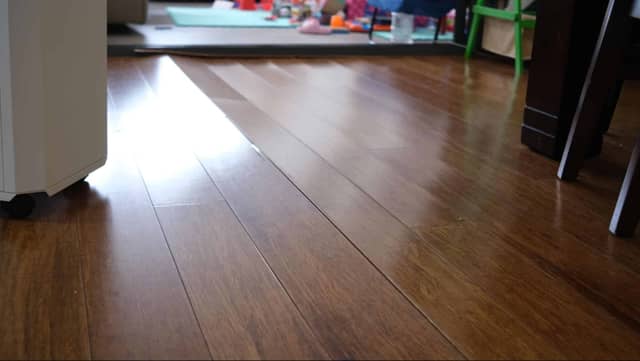
If you have water penetration as a result of poor cross ventilation, that moisture will soften the floors and cause them to sag at a point load. A point load refers to a point where a bearing or structural weight is intense and transferred to the foundation. Water barrier materials such as openings with screens on the sides of the foundation must be installed to keep the moisture level down.
If a builder installs wood girders after the pier supports have been poured, and the piers are not lined up and centered, after a time, the girder may tilt, and cause the piers to tilt as well.
If you suspect any of the above-mentioned flaws, call Quality Foundation Repair for a free consultation and estimate.

Written by
Quality Foundation Repair Austin
Simon is the primary point of contact behind Quality Foundation Repair Austin's homeowner content. His articles cover foundation repair, house leveling, crawl space issues, and how Central Texas soil affects the ground homes are built on, the same diagnose-first approach the company brings to every on-site inspection.
More about Simon